Key Takeaways
Iran protests escalate, fueling global geopolitical risk. Analyze market implications, oil price volatility, and investment strategies for Indian investors in 2026.
Overview
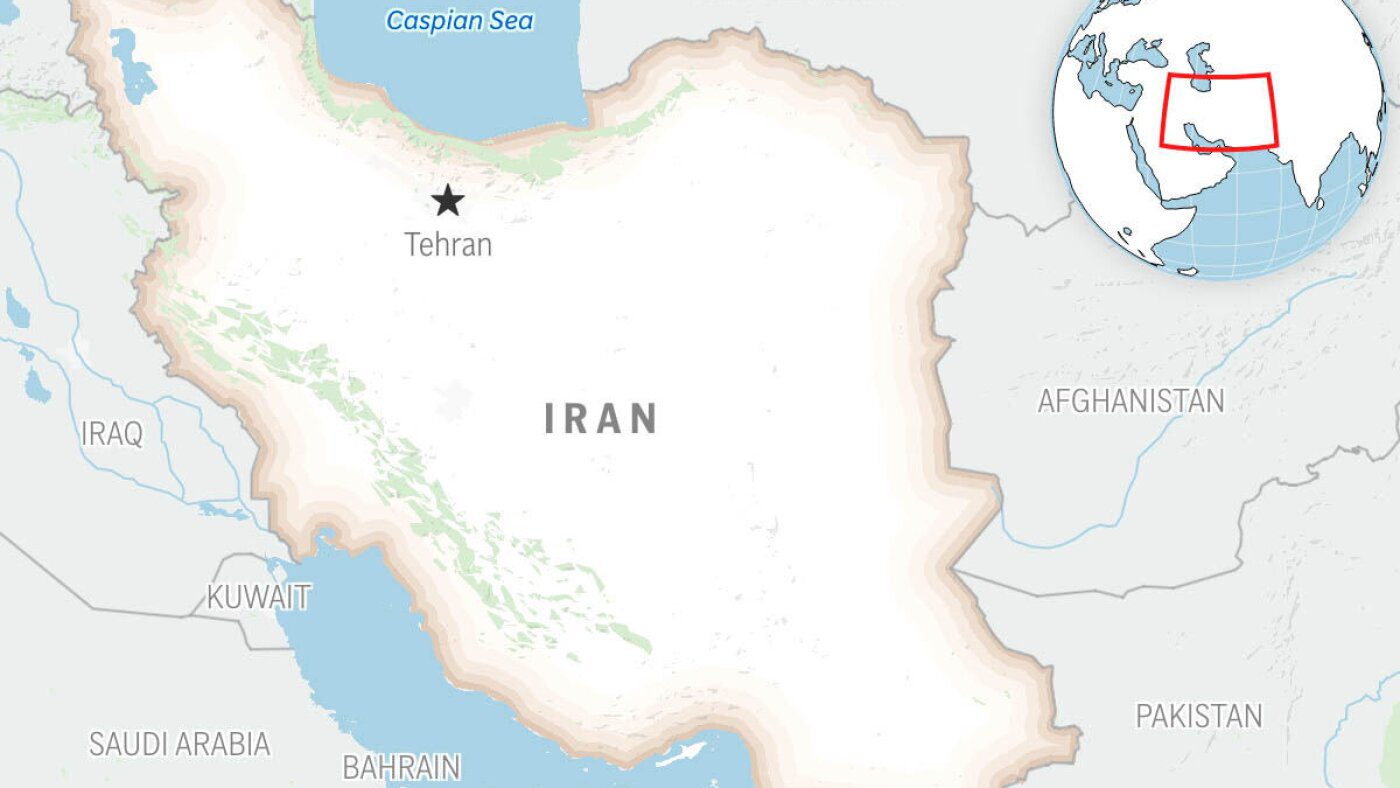
Ongoing protests sweeping across Iran, despite a widespread internet and international communication shutdown, are escalating geopolitical risks that demand keen attention from retail investors, swing traders, long-term investors, and finance professionals globally. This significant internal strife, fueled by an ailing economy and calls for governmental change, introduces an unpredictable variable into international markets, particularly impacting commodity prices and broader risk sentiment.
The current unrest, marked by alleged casualties and widespread detentions, adds a layer of uncertainty to global stability, potentially influencing capital flows and investment strategies. While direct immediate impacts on the Indian stock market (NSE, BSE, Sensex, Nifty) may be indirect, increasing global geopolitical tension often translates into higher risk premiums for investments, affecting sectors like oil and defense.
Reports indicate at least 42 fatalities and over 2,270 detentions, alongside a currency collapse that saw the Iranian rial reach 1.4 million to $1 in December. These metrics underscore severe internal pressures within Iran, a key player in the global energy landscape and a significant regional economy.
Investors must closely monitor these developments, as geopolitical shifts can swiftly alter market dynamics, necessitating a strategic reassessment of portfolio allocations and risk exposure within the broader framework of financial analysis and investment planning.
Detailed Analysis
The ongoing sociopolitical upheaval in Iran presents a complex web of challenges that extend beyond its borders, resonating with global financial markets. Historically, periods of significant civil unrest in major oil-producing regions like the Middle East tend to induce volatility in commodity markets, particularly crude oil. While the current protests are internal, their intensity—evidenced by widespread demonstrations despite severe communication blackouts and state TV warnings of casualties—signals a deep-seated instability. This event unfolds against a backdrop of Iran’s already struggling economy, highlighted by the dramatic depreciation of its national currency, the rial, which reached 1.4 million to the U.S. dollar in December. This economic fragility amplifies the potential for the protests to have more profound and sustained impacts on regional and global stability, influencing investor sentiment towards emerging markets and potentially affecting global trade routes.
From a detailed financial analysis perspective, the immediate implications for investors are primarily in increased risk premiums across various asset classes. The internet shutdown, a tactic to suppress dissent and control information, paradoxically heightens global uncertainty, as the full scope of events remains obscured. Such actions often lead to a ‘flight to safety,’ where investors shift capital from riskier assets into perceived safer havens like gold or U.S. Treasuries. The reported casualties, exceeding 42, and over 2,270 detentions, underscore the severity of the confrontation between the populace and the state. For swing traders and long-term investors, this necessitates a vigilant watch on oil futures, as any perceived threat to supply from the Persian Gulf could trigger price spikes. While direct technical levels on Indian indices (Sensex, Nifty) might not immediately react, sectors sensitive to global oil prices, such as aviation, logistics, and manufacturing, could experience ripple effects. Furthermore, the explicit calls by former Crown Prince Reza Pahlavi for sustained demonstrations indicate a potential for prolonged instability, challenging the current governmental structure.
Comparing this situation to past geopolitical flashpoints, heightened political instability in a nation of Iran’s strategic importance often contributes to broader global market jitters. Investors frequently recall how previous tensions in the region have led to increased crude oil prices, which can in turn impact inflation expectations and monetary policy decisions worldwide. While there isn’t a direct peer comparison from the source for financial metrics, the general investor response to such events typically involves reassessing sovereign risk in emerging economies. The existing economic woes of Iran, including the rial’s collapse, suggest a fragile internal environment, making it more susceptible to external economic pressures or sanctions. Global financial professionals would weigh the potential for supply chain disruptions, shifts in trade alliances, and the broader impact on international relations. This context makes regional comparisons relevant for understanding investor behavior. [Suggested Matrix Table: Historical Global Oil Price Volatility During Major Middle East Geopolitical Events, (Event, Duration, Oil Price Change, Impact on Global Indices)]
For Retail Investors and Swing Traders, the immediate takeaway is to anticipate potential volatility. This includes monitoring global crude oil prices, which directly impact the input costs for many Indian companies and can influence the rupee’s exchange rate. Diversification across geographies and asset classes can mitigate risks associated with sudden geopolitical shocks. Long-term Investors and Finance Professionals should consider recalibrating their portfolio’s risk exposure, especially in sectors sensitive to global commodity markets or those with direct or indirect exposure to the Middle East. Key metrics to monitor include the VIX (volatility index), global equity market performance, and any official statements from major international bodies or powers regarding the situation. The confluence of economic distress, widespread protests, and a communication blackout creates an environment of significant uncertainty that demands a proactive and informed investment approach, emphasizing prudent risk management over speculative ventures.
About the Author