Key Takeaways
Iran’s severe internet shutdown raises global geopolitical risk, impacting oil markets & investor sentiment. Analyze short-term volatility and long-term investment strategies for 2026.
Overview
The Iranian regime’s implementation of a nationwide internet “kill switch” amidst escalating protests represents a significant escalation in geopolitical risk, reverberating through global markets and demanding acute attention from the Stock Market India community.
This drastic measure by Iran directly impacts digital infrastructure, essential services like banking, and international communication channels, posing potential ripple effects for global trade, energy markets, and investor sentiment across NSE and BSE-listed entities.
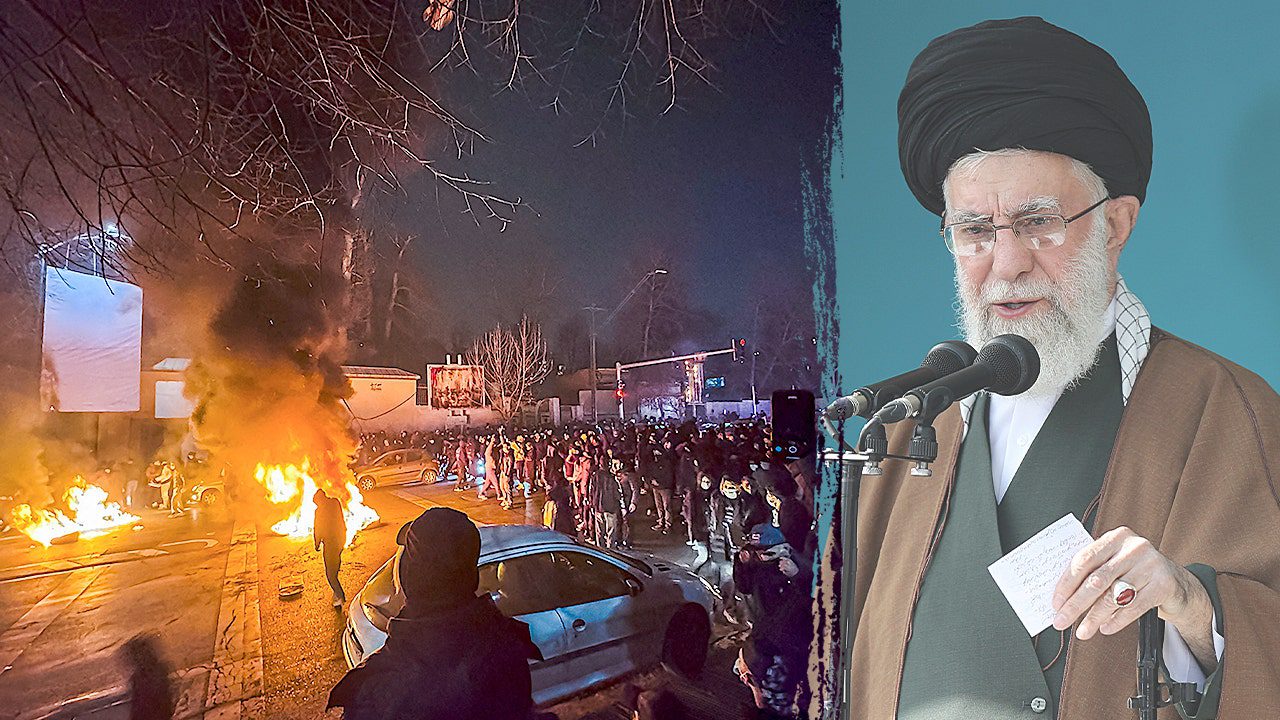
Reports indicate internet access plunged to below 2% of ordinary levels, affecting 180 cities and hindering communication after 65 deaths and 2,300 arrests.
Retail Investors, Swing Traders, Long-term Investors, and Finance Professionals must analyze these developments for immediate market volatility, potential commodity price shifts, and long-term investment strategy adjustments.
Detailed Analysis
The recent activation of an internet “kill switch” across Iran signifies more than just a domestic crisis; it underscores a profound geopolitical risk with tangible implications for global financial stability. Historically, such widespread digital censorship, as seen in Iran during 2019 and 2022, has been a tool for authoritarian regimes to suppress dissent and control information flow. NetBlocks CEO Alp Toker described this latest event as “Iran’s war against its own population using digital means,” highlighting the severity and the centralized nature of this repressive mechanism. For investors, this pattern of behavior in a major oil-producing nation signals heightened political instability and potential for disruption in critical global sectors. While direct financial metrics are not available in the immediate aftermath, the precedent set by previous shutdowns and the current, more extreme measure, suggests a significant impact on economic activity within Iran, which, in turn, can affect international trade partners and investment flows. The inability to conduct basic financial transactions or communicate internationally directly obstructs business operations, creates uncertainty, and elevates the political risk premium associated with the region.
The current internet blackout in Iran is characterized by a “near-total disconnection” with connectivity levels reportedly “below 2% of ordinary levels.” This goes beyond merely restricting social media; it “impacting banks, essential services,” and severely limits “communication within the country.” For financial markets, this means a significant halt to domestic commerce, electronic payments, and any digital economic activity. The financial system relies heavily on seamless digital connectivity for transactions, information exchange, and regulatory oversight. When banks and essential services are impacted, it creates systemic risk, potentially leading to liquidity issues, delays in international transfers, and a complete breakdown of trust in digital financial infrastructure. Alp Toker further explained the technical sophistication of this “top-down mechanism,” noting its development since the Cold War and its capability to “triangulate the ground terminal in satellite transmissions,” effectively cutting off virtually all digital communication. This level of state control over a nation’s digital arteries directly affects its economic output and its reliability as a global trading partner, a key consideration for investment and trading decisions on platforms like NSE and BSE.
Comparing the current Iranian internet shutdown to previous instances in 2019 and 2022 reveals a concerning escalation. NetBlocks noted that past incidents involved attempts to “keep a baseline of service available,” but this recent event saw the regime “pull the plug,” indicating a “far more extreme measure.” This shift suggests increased desperation from the regime, which translates into higher perceived risk for investors tracking geopolitical developments. Unlike more open economies where internet access is a fundamental enabler of business and market operations, such arbitrary and severe disruptions in Iran underscore the inherent volatility of operating or investing in politically unstable regions. The contrast highlights the digital divide between countries embracing open internet for economic growth and those employing it as a tool for political control. For Finance Professionals analyzing emerging markets, this case study serves as a stark reminder of sovereign risk and the potential for non-market factors to severely impact investment valuations. The longer such a shutdown persists, the greater the erosion of confidence in Iran’s economic prospects and its potential to contribute to global economic stability. Investors should consider broader implications for technology companies reliant on international data flows or those with exposure to similar high-risk jurisdictions.
For Retail Investors, the unfolding situation in Iran necessitates vigilance regarding potential market volatility, particularly in commodity markets. Geopolitical instability in the Middle East often influences crude oil prices, which can impact inflation and, subsequently, interest rate expectations. Diversifying portfolios and considering hedging strategies against energy price shocks may be prudent. Swing Traders should monitor real-time geopolitical news feeds closely, as sudden escalations or de-escalations can lead to rapid price movements in oil futures or currency pairs, offering short-term trading opportunities. However, the inherent unpredictability of these events demands strict risk management. Long-term Investors should conduct a thorough geopolitical risk assessment of their portfolios, evaluating exposure to companies with significant international operations or dependencies on global supply chains that could be affected by regional instability. This includes examining the resilience of various sectors, from technology to manufacturing, against such disruptions. Finance Professionals should integrate this event into their macro-economic models and stress-test scenarios, considering the potential for broader contagion effects across global markets. Monitoring the duration of the internet blackout, international diplomatic responses, and any shifts in Iran’s internal stability will be crucial. Key metrics to watch include global crude oil benchmarks (Brent, WTI), shipping indices, and the performance of global indices like the Sensex and Nifty against a backdrop of rising geopolitical tensions in 2026. The ability of the Iranian regime to maintain control amidst the protests, and the eventual restoration of internet services, will be critical determinants for global market sentiment going forward.
About the Author