Key Takeaways
Analyze how escalating Iran-US tensions could impact global markets and oil prices. Understand investment implications and key metrics to monitor for 2026.
Overview
Geopolitical tensions, particularly the escalating rhetoric between Iran and the United States, remain a critical factor for global financial markets, including the Stock Market India. Investors, spanning retail participants to finance professionals, are closely monitoring the potential for increased volatility, impacting various asset classes and influencing broader Investment strategies as 2026 begins.
The underlying domestic economic grievances in Iran, marked by soaring prices and the sharp fall of Iran’s currency (the rial), have fueled widespread protests. This internal instability, coupled with warnings from Iranian officials against US intervention, creates a complex risk landscape for international markets and Financial Analysis.
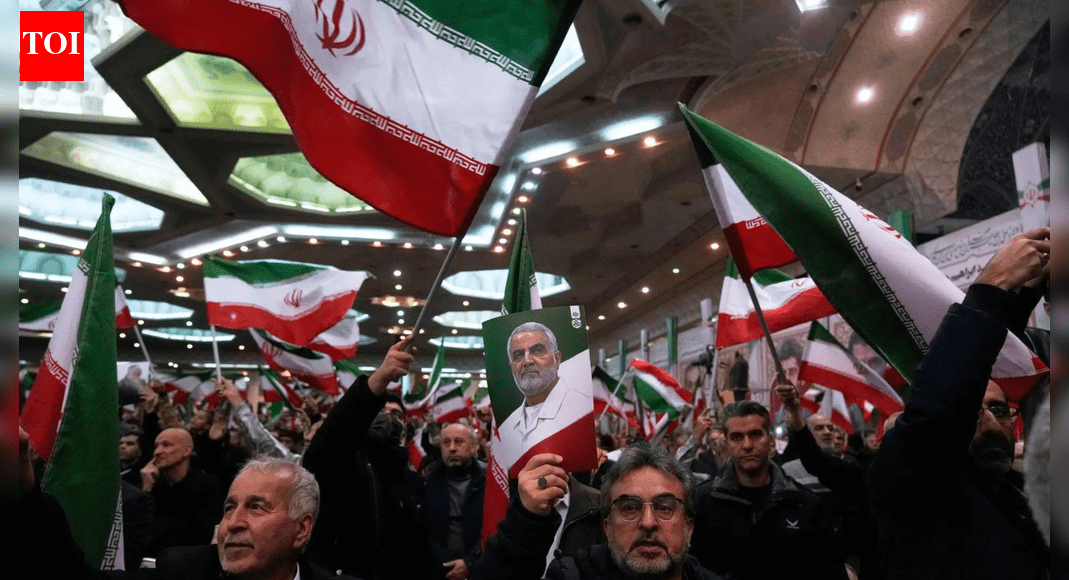
Specifically, protests have entered their sixth day, driven by significant economic hardship and resulting in at least seven reported deaths. Iran’s Ali Shamkhani warned of a “regret-inducing response” to any intervention, while Donald Trump stated the US was “locked and loaded” to “rescue” protestors.
This ongoing exchange underscores heightened regional risk, necessitating a detailed examination of its short-term trading implications and long-term portfolio considerations for the informed investor.
Detailed Analysis
SECTION A – CONTEXT & BACKGROUND
Geopolitical flashpoints in the Middle East have historically served as significant catalysts for shifts in global commodity markets and overall investor sentiment. The current standoff between Iran and the United States, ignited by domestic protests in Iran and amplified by strong warnings from both sides, positions itself as a critical determinant of market direction in early 2026. The roots of this instability are deeply economic, with the source content highlighting Iran’s worsening economic conditions, including the sharp depreciation of its currency, the rial, and soaring inflation. Such internal pressures often create an unpredictable external policy environment, leading to increased risk aversion among global investors. The protests, now in their sixth day, represent the most significant unrest since 2022, signaling a persistent challenge to regional stability and an elevated geopolitical premium for crude oil.
SECTION B – DETAILED ANALYSIS
The explicit warnings exchanged between Iranian officials and Donald Trump introduce a tangible element of risk that demands attention from market participants. Ali Shamkhani, an adviser to Supreme Leader Ayatollah Ali Khamenei, declared Iran’s security a “red line” and threatened a “regret-inducing response” to any US intervention. This direct challenge, juxtaposed with Trump’s “locked and loaded” assertion to intervene if Iran “violently kills peaceful protesters,” sketches a scenario of potential escalation. For financial markets, this translates into immediate concerns over crude oil supply disruptions, as Iran remains a significant energy producer. Beyond direct supply, the heightened rhetoric impacts shipping routes and insurance costs in the Persian Gulf, directly influencing global energy prices. The domestic drivers of these protests—economic grievances, soaring prices, and the collapse of the rial—underscore deep structural issues within the Iranian economy, which could exacerbate instability and prolong the geopolitical uncertainty.
SECTION C – COMPARATIVE ANALYSIS
Comparing the current situation to past periods of elevated Middle Eastern geopolitical risk reveals common investor reactions. Typically, such events lead to a flight to safe-haven assets like gold and a surge in crude oil prices due to supply concerns. Conversely, risk assets, particularly equities, often experience downward pressure or increased volatility. The allegations from Ali Larijani, secretary of Iran’s Supreme National Security Council, pointing to the US and Israel as external forces stoking demonstrations, further complicate the regional dynamic. This narrative of external interference, if widely accepted, could broaden the conflict’s scope, impacting a wider range of emerging markets through sentiment contagion. India, as a significant oil importer, would be particularly sensitive to sustained increases in crude oil prices, potentially leading to inflationary pressures and impacting the Rupee-Dollar exchange rate. This situation warrants monitoring the Nifty Energy Index and global benchmark crude prices like Brent and WTI. [Suggested Matrix Table: Comparative Analysis of Geopolitical Events: Event Type, Market Impact on Oil, Impact on Gold, Equity Volatility]
SECTION D – AUDIENCE TAKEAWAY
For Retail Investors, maintaining a diversified portfolio and avoiding overexposure to sectors highly sensitive to oil price fluctuations is crucial. Consider defensive strategies or small allocations to gold as a hedge against geopolitical uncertainty. Swing Traders should monitor crude oil futures and currency pairs, particularly USD-INR, for increased volatility and potential short-term trading opportunities based on news flow. Clear support and resistance levels for these commodities and currencies may become more dynamic. Long-term Investors should evaluate the resilience of their portfolios to sustained oil price shocks and broader global economic slowdowns, focusing on companies with robust balance sheets and diversified revenue streams that can weather such external headwinds. Finance Professionals must incorporate this geopolitical risk into their scenario planning and stress tests, assessing potential supply chain disruptions and the impact on emerging market debt and equity valuations. Key metrics to monitor include Brent Crude prices, the INR/USD exchange rate, and sovereign bond yields in geopolitically sensitive regions. Upcoming events, such as further official statements from Washington or Tehran, and the intensity and duration of the protests, will dictate market reactions. Investors must remain agile, relying on robust financial analysis to navigate this evolving risk landscape, recognizing that sustained instability could impact investment decisions well into 2026.
About the Author