Key Takeaways
Iran’s escalating unrest fuels significant geopolitical risk, affecting global oil markets and emerging economies. Understand short, medium, and long-term investment implications.
Overview
The escalating protests across Iran, met with a brutal police response and widespread internet shutdowns, are generating significant geopolitical risk for global financial markets in 2026. This domestic instability carries potent implications for various asset classes, from crude oil to emerging market equities, demanding vigilant assessment.
For investors and finance professionals, Iran’s situation is crucial due to potential ripple effects on global supply chains, commodity prices, and market sentiment. The regime’s aggressive crackdown signals prolonged uncertainty, impacting strategies.
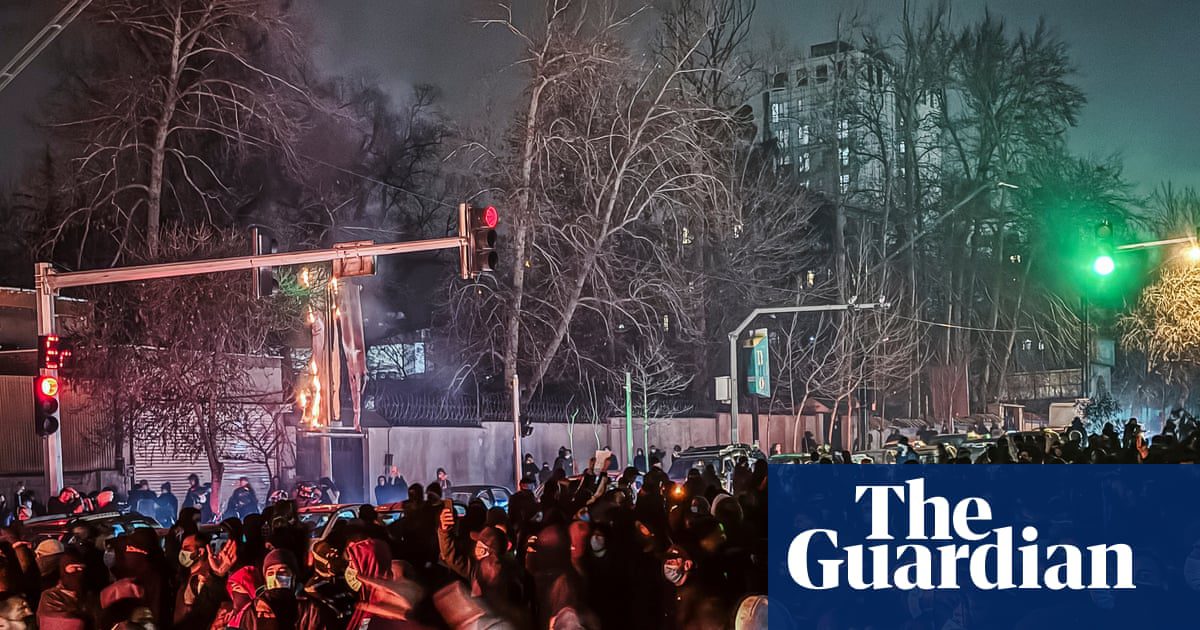
Reports confirm over 570 protests across Iran’s 31 provinces, with at least 116 fatalities and over 2,600 detentions. These figures highlight the severe, widespread nature of the challenge.
This analysis details market reactions, economic consequences, and strategic shifts this escalating tension could precipitate, guiding informed investment decisions.
Detailed Analysis
Beginning December 28, 2025, what initially appeared as localized protests stemming from Iran’s deteriorating economy has rapidly escalated into a profound, nationwide challenge to the Islamic Republic’s authority. These demonstrations quickly transitioned from expressing economic grievances to chanting anti-government slogans and demanding political reform, indicating deep-seated societal dissatisfaction beyond immediate financial hardships. This significant shift fundamentally alters the geopolitical risk landscape, requiring re-evaluation by financial entities with exposure to the Middle East or global commodity market volatility. The regime’s aggressive counter-measures, prominently featuring a near-total internet shutdown since January 9, 2026, have severely impeded real-time information flow, complicating accurate risk assessment for international market participants. Despite communication blackouts, fragmented reports, including verified videos and activist accounts via Starlink, confirm continued defiance across major cities like Tehran and Mashhad. Protesters are increasingly bold, chanting “Death to Khamenei” and “Long live the shah,” directly challenging the supreme leader and supporting the pre-1979 monarchy. This widespread public unrest, reported across all 31 Iranian provinces, signifies an unprecedented level of internal pressure, directly impacting regional stability and potentially global crude oil supply dynamics. The economic downturn preceding these protests, combined with the regime’s perceived vulnerability after a 12-day conflict with Israel and setbacks for Iranian-backed forces, creates an acutely precarious environment. This backdrop suggests the current unrest is not an isolated incident but a symptom of deeper structural challenges within Iran, positioning it as a critical factor in any comprehensive financial analysis of Middle Eastern markets or global energy forecasts. Investors must acknowledge the strategic importance of the Strait of Hormuz for global oil transit, making prolonged instability a direct concern for energy security and pricing.
From a precise financial analytical perspective, the evolving situation in Iran presents a complex and high-stakes risk landscape. The extensive internet blackout, a governmental tool to suppress dissent, simultaneously creates severe opacity for financial analysts, critically impeding accurate risk assessment for global markets due to heightened information asymmetry. While the source lacks explicit financial metrics, the direct implications for global crude oil markets are paramount. As a significant oil producer, prolonged internal instability could disrupt Iran’s production or export capabilities, triggering supply shocks and substantial upward pressure on global oil benchmarks. Such a scenario would immediately impact energy-importing nations, contributing to inflationary pressures and negatively affecting economic growth, thereby influencing global central bank monetary policies. Furthermore, US President Donald Trump’s threats of intervention against Iranian authorities killing protesters, juxtaposed with Iran’s parliamentary speaker’s counter-threats targeting US military and Israel, dramatically elevates regional conflict potential. This prospect of wider Middle East instability profoundly impacts investor sentiment, prompting a distinct flight to safety towards assets like gold, US Treasuries, and select developed market currencies. Companies with direct investments or intricate supply chain dependencies within the region, particularly in critical sectors like energy, logistics, and manufacturing, face substantially elevated operational risks. The reported brutality of the state’s response—security forces allegedly firing live ammunition, reports of hundreds killed and thousands detained—not only compounds the humanitarian crisis but translates directly into a magnified country risk premium. This affects Iran’s sovereign debt outlook and renders foreign direct investment prohibitively speculative. The extreme threat of “enemy of god” charges, carrying the death penalty, and reports of forced confessions highlight severe human rights violations, potentially triggering further international sanctions or diplomatic isolation, thereby limiting Iran’s economic prospects and global financial integration.
Comparative analysis of the current Iranian unrest against historical geopolitical flashpoints consistently reveals predictable patterns of market response, particularly within energy commodities and emerging market assets. While specific analogous events are not detailed in the source, periods of significant political instability or conflict in major oil-producing regions have historically led to pronounced spikes in crude oil futures, driven by fundamental supply fears and heightened risk premiums. This current situation in Iran, characterized by internal disruption coupled with the explicit potential for external intervention, presents a uniquely compounded risk factor for global markets. The Iranian regime’s strategic attempt to differentiate between “legitimate” protesters and “rioters” allegedly backed by foreign powers, is a well-documented rhetorical tactic deployed by authoritarian governments. However, the reported “generalised violence directed at protesters” by security officials suggests a practical blurring of these distinctions. Such heavy-handed approaches often prolong instability, leading to sustained market anxiety and uncertainty. Industries most directly affected include the global energy sector, where amplified volatility creates both speculative opportunities for agile swing traders and increased hedging costs for long-term strategic players. Defence contractors could also experience boosted valuations due to heightened regional tensions. Conversely, sectors critically dependent on stable global trade and predictable supply chains, such as manufacturing, face significant headwinds. Emerging market funds, particularly those with pronounced Middle Eastern exposure, are likely to experience increased capital outflows as investors de-risk portfolios. The charged rhetoric from the US, offering “help” while issuing stern warnings, juxtaposed with Tehran’s angry rebukes and explicit threats of retaliation against the US and Israel, creates an exceptionally volatile diplomatic environment. This perilous dynamic mirrors historical precedents where international diplomatic failures have regrettably escalated into broader military conflicts, resulting in severe and widespread disruptions across global financial markets. The continued, “chillingly precise” internet and mobile network blackout represents a modern form of state control that fundamentally distorts information flow, impeding market efficiency, increasing information asymmetry, and potentially fueling speculative trading based on limited verified data. For astute investors, this environment urgently demands a heightened focus on robust risk management frameworks, including strategic diversification across geographies and asset classes, and potentially a tactical shift towards defensive equities or traditional safe-haven investments. [Suggested Line Graph: Global Crude Oil Price Volatility vs. Major Geopolitical Events (2000-2026), highlighting peak volatility periods relative to specific regional conflicts.]
For Retail Investors, the escalating geopolitical risk in Iran underscores the critical importance of a meticulously diversified portfolio. Review any direct or indirect exposure to single-country emerging market funds. Rebalance towards sectors resilient to geopolitical shocks like utilities or healthcare, or increase allocations to broad global index funds for inherent diversification. Consistent monitoring of crude oil prices is paramount, as upward pressure impacts global inflation, consumer spending, and corporate earnings, influencing indices like India’s Nifty or BSE Sensex. Long-term investors must rigorously evaluate multinational corporations with supply chain vulnerabilities or market presence in volatile regions, integrating geopolitical risk assessment into fundamental analysis. For agile Swing Traders, heightened volatility offers both substantial risk and potential opportunity. Short-term price fluctuations in crude oil, gold, and related energy sector stocks (e.g., ONGC, Reliance Industries) could provide trading entry/exit points. However, extreme information asymmetry due to internet blackouts necessitates stringent risk management. Finance Professionals must integrate this Iranian situation into macro-economic models and scenario planning, stress-testing portfolios against various geopolitical outcomes. Key metrics for continuous monitoring include global crude oil benchmarks, regional bond yields, and currency exchange rates. International diplomatic efforts, particularly US and EU statements, serve as crucial forward-looking signals. Ultimately, while direct financial data from Iran remains opaque, the macroeconomic reverberations are undeniable, necessitating proactive adjustment of investment strategies to mitigate downside exposure and selectively capitalize on emergent opportunities across the Indian and global stock markets.
About the Author