Key Takeaways
Iran’s currency plunge amid unrest signals severe economic instability. Analyze geopolitical risk for global markets, oil benchmarks, and investment implications for 2026.
Overview
Escalating political unrest across Iran has triggered a severe Iran currency plunge, profoundly impacting the nation’s financial stability. This crisis signals significant geopolitical risk, demanding immediate attention from global investors for 2026.
For Retail Investors, Swing Traders, Long-term Investors, and Finance Professionals, this situation elevates risk premiums across emerging markets. It necessitates a critical portfolio re-evaluation, influencing sentiment for Investment and Trading within broader indices like NSE and BSE.
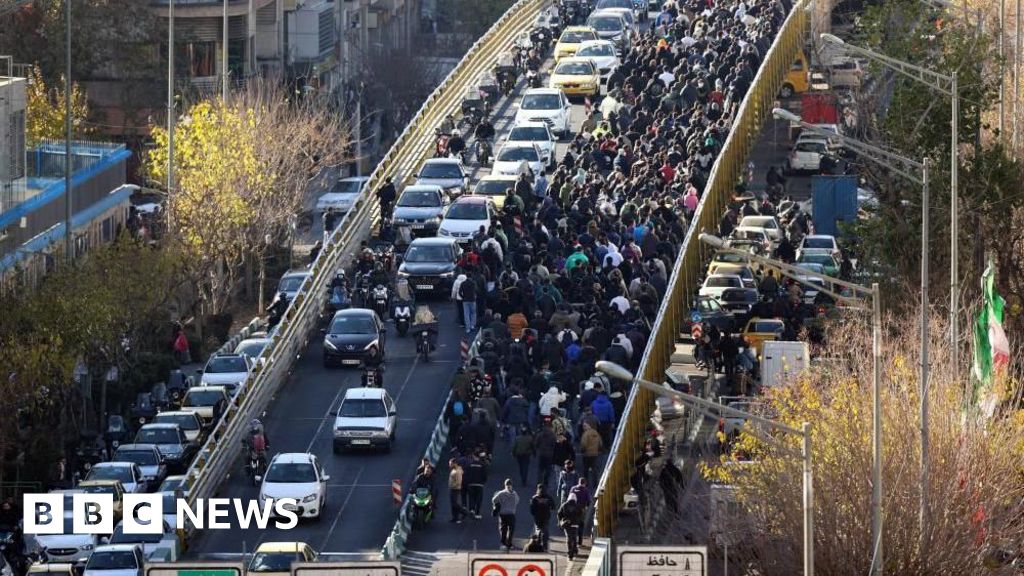
Reported triggers include a sharp fall in the Iranian currency’s value against the US dollar and widespread anger over escalating living costs, fueling five days of protests and clashes.
This analysis explores immediate market reactions, medium-term ripple effects, and long-term strategic implications for global portfolios.
Detailed Analysis
The ongoing civil unrest in Iran, marked by deadly clashes between protesters and security forces, starkly highlights the profound impact of socio-political instability on a nation’s economic bedrock. While the immediate triggers are cited as currency collapse and soaring cost of living, these financial woes often signal deeper governance and economic policy challenges. Historically, periods of significant internal turmoil in resource-rich nations like Iran can introduce substantial volatility in global commodity markets, particularly oil, and significantly deter foreign direct investment. Investors monitoring the Stock Market India or the broader NSE and BSE indices often weigh global geopolitical events, understanding their potential to trigger capital flight from emerging markets, impacting sectors from energy to manufacturing. The protracted protests, now in their fifth day, underscore deep-seated economic grievances, creating an environment of heightened uncertainty for global finance professionals.
Detailed analysis of the Iranian situation reveals fundamental financial pressures at play. The reported ‘currency collapse’ directly undermines purchasing power for citizens, fueling the ‘soaring cost of living’ that has driven shopkeepers and university students to protest. Such a rapid devaluation makes imports more expensive, accelerates inflation, and erodes savings, creating an incredibly challenging operating environment for local businesses and any foreign entities with Iranian operations. A government’s declaration of a bank holiday, ostensibly for energy conservation but widely perceived as an attempt to quell unrest, signals a severe disruption to normal economic activity and profoundly shakes investor confidence. The prosecutor general’s stern warning of a ‘decisive response’ against instability further emphasizes this high-stakes environment, which can create extreme market uncertainty for those attempting any form of Trading or Investment in the region or related sectors.
While specific metrics like currency depreciation or inflation rates for Iran remain undisclosed, the broader implications mirror similar instances of geopolitical risk impacting emerging market economies. Such events typically lead to increased risk premiums on government bonds, a flight to safe-haven assets, and a re-evaluation of sovereign credit ratings. The absence of granular data necessitates reliance on broader geopolitical risk assessment frameworks. This situation serves as a potent reminder for finance professionals of the interconnectedness of political stability and economic health, often leading to capital reallocation. Investors should also consider indirect impacts on global energy prices or the supply chains of multinational corporations with regional exposure.
For Retail Investors, Swing Traders, Long-term Investors, and Finance Professionals, the events in Iran necessitate a careful reassessment of portfolio exposure to geopolitical hotspots and commodity markets. While direct investment opportunities in Iran may be limited, the ripple effects on global oil benchmarks, Middle East stability, and broader emerging market sentiment are significant. Investors should monitor the Iranian currency market, government responses, and international reactions, as these factors will shape future economic stability. Diversification and robust risk management remain paramount when political unrest swiftly translates into financial market volatility. Tracking indices like the Sensex and Nifty for broader market reactions to global risk events is crucial for informed Investment decisions.
About the Author