Key Takeaways
Indian Railways faces increased ESG scrutiny after an elephant collision in Assam. Analyze the investment implications, regulatory outlook, and infrastructure stock risks for Dec 2025.
Market Introduction
A recent express train collision in Assam, India, resulting in the tragic death of seven wild Asian elephants, including calves, has drawn sharp focus to critical environmental, social, and governance (ESG) factors within India’s infrastructure sector. This incident, while primarily a wildlife tragedy, carries significant implications for investors monitoring risk in Indian Railways and broader infrastructure development.
For Retail Investors, Swing Traders, Long-term Investors, and Finance Professionals, the event underscores escalating human-wildlife conflict and its potential to introduce operational disruptions, increased capital expenditure, and reputational risks for entities involved in rail projects, thereby influencing investment outlooks.
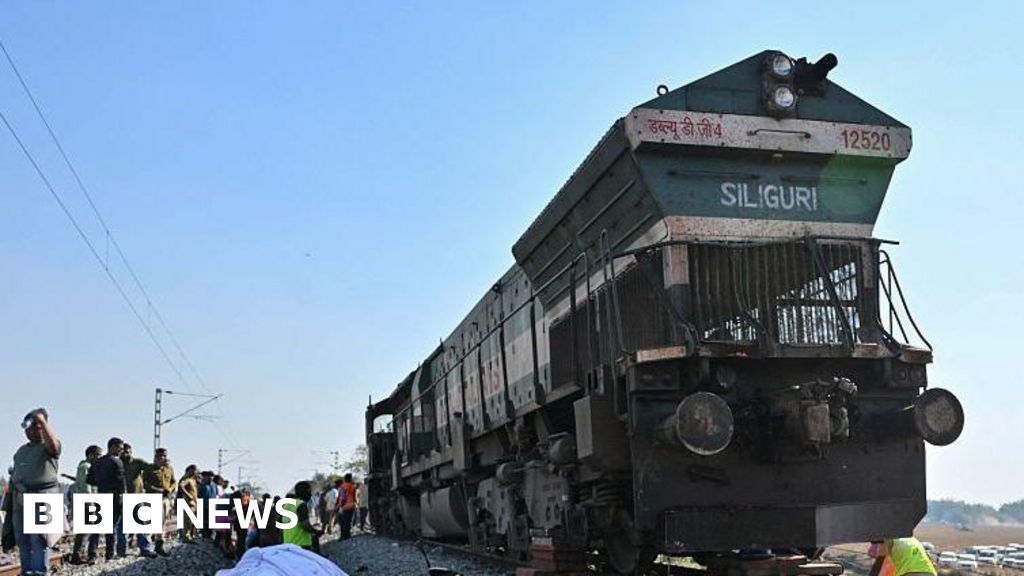
The collision, which occurred on an early Saturday in Hojai district, led to the derailment of five Delhi-bound train carriages. No human casualties were reported, though one elephant calf sustained injuries, highlighting the direct operational consequences for the Northeast Frontier Railway.
This analysis delves into the short-term operational aftermath and the long-term strategic shifts in investment and risk management frameworks that the stock market India must consider for sustainable growth in vital sectors.
In-Depth Analysis
The tragic loss of seven wild Asian elephants in Assam by an express train collision in December 2025 compels a re-evaluation of the burgeoning intersection between India’s ambitious infrastructure development and its rich, yet increasingly threatened, biodiversity. This incident, occurring outside a designated elephant corridor, spotlights the complex challenge of human-wildlife conflict, a non-financial risk that is rapidly gaining financial materiality for investors in the Indian investment landscape. The rapid expansion of India’s railway network, crucial for economic growth and logistics, often traverses sensitive ecological zones. Historically, these projects focused primarily on economic returns and operational efficiency, but the rising frequency and severity of such environmental incidents force a broader perspective that includes comprehensive ESG considerations. For instance, the financial community now increasingly scrutinizes infrastructure projects for their environmental impact assessments, social license to operate, and governance mechanisms for managing unforeseen ecological challenges. The Assam tragedy highlights that traditional risk models, which might have overlooked such environmental externalities, are insufficient for assessing the true long-term viability and profitability of projects in a developing economy with high biodiversity.
From a detailed financial perspective, the incident introduces several layers of risk and potential cost. Immediately, the Northeast Frontier Railway experienced operational disruptions, including train cancellations and diversions, impacting local travel and logistics efficiency. While the direct repair costs for five derailed carriages might be manageable in isolation, the cumulative effect of such incidents across India’s extensive rail network escalates operational expenditure (OpEx). More significantly, the event heightens the probability of increased regulatory scrutiny from environmental ministries and railway authorities. This could manifest as mandates for higher capital expenditure (CapEx) on wildlife mitigation technologies—such as advanced thermal imaging, acoustic warning systems, underpasses, and elevated corridors—along existing and proposed railway lines. Furthermore, stricter environmental impact assessments and compliance requirements for new projects could lead to project delays and higher financing costs. Companies involved in railway construction, maintenance, and ancillary services, as well as those in the logistics sector heavily reliant on rail, could face material financial impacts. The incident also poses a significant reputational risk. Major wildlife tragedies can trigger negative public sentiment, lead to activist campaigns, and attract international media attention. For publicly traded entities or state-owned enterprises eyeing capital markets, this can erode investor confidence, potentially affecting stock valuations on the NSE and BSE, increasing their cost of capital, and influencing investor preference, particularly from ESG-mandated funds. These externalities, once considered non-core, are now integrated into sophisticated financial analysis models, shifting from mere environmental concerns to quantifiable financial risks.
Comparative analysis reveals that India is not unique in facing human-wildlife conflict amplified by infrastructure development, but the scale and speed of its expansion intensify the challenge. Similar issues globally, such as mining projects impacting indigenous communities or hydropower dams affecting river ecosystems, have demonstrated how initially unforeseen social or environmental costs can balloon into significant financial liabilities, impacting project viability and corporate valuations. In India, other infrastructure-related challenges like land acquisition disputes or localized pollution incidents have historically led to project delays and cost overruns. The elephant collision adds another layer of environmental risk that must be proactively managed. The global trend towards ESG investing means that institutional investors are increasingly incorporating biodiversity risk and animal welfare into their due diligence frameworks. Companies in India’s infrastructure sector that fail to demonstrate robust environmental management systems and transparent disclosure of such risks may find themselves at a disadvantage in attracting capital compared to peers with proactive conservation strategies. This creates pressure for both government and private entities to invest in sustainable infrastructure solutions. Moreover, the incident could influence the terms of green bonds or sustainability-linked loans, where non-compliance with environmental targets could trigger higher interest rates or penalties, directly impacting a company’s financing costs. Investors evaluating exposure to sectors like railway logistics, heavy construction, or power generation must factor in these evolving risks, moving beyond traditional technical analysis and basic financial metrics. [Suggested Matrix Table: Comparison of ESG Risk Factors in Indian Infrastructure Projects (Wildlife Impact vs. Land Acquisition vs. Pollution Control) with Potential Financial Impact (Project Delays, Fines, Reputational Cost)].
For Retail Investors and Swing Traders, this event underscores the growing importance of qualitative factors in stock market India decisions. Investors should monitor how railway authorities and associated private companies respond to this incident, looking for proactive measures rather than reactive damage control. Any announcements regarding increased budget allocations for wildlife mitigation, technology adoption, or changes in environmental policy could signal future operational costs or investment opportunities in relevant sectors like environmental technology or specialized construction. Long-term Investors and Finance Professionals should integrate comprehensive ESG screening into their portfolio construction and risk assessment. Companies demonstrating strong governance in managing environmental and social risks, transparent reporting, and genuine commitments to biodiversity conservation are likely to be more resilient and attract sustainable capital. This includes assessing the quality of environmental impact assessments, the effectiveness of mitigation strategies, and the engagement with local communities and wildlife experts. The incident highlights that a lack of foresight in balancing economic development with ecological preservation can translate into tangible financial burdens, affecting share prices on the Nifty and Sensex. Monitoring future policy directives from the Indian government regarding wildlife corridors and railway safety, particularly concerning non-designated crossing points, will be crucial for informed investment decisions and identifying potential opportunities or risks in the evolving infrastructure sector.
About the Author