Key Takeaways
Yoga murals defaced in Gwalior sparked widespread outrage, leading to city authorities whitewashing walls. Explore the incident, public reaction, and underlying societal implications in India.
Overview
A recent incident in the central Indian city of Gwalior has sparked considerable public outrage and discussion across social media platforms. Female yoga murals defaced on public walls became the subject of a viral video, highlighting a disturbing act of vandalism.
This event matters significantly to general readers and news consumers as it underlines issues of public space, artistic expression, and societal attitudes towards women’s representation, even in abstract art. The swift public reaction and official response reflect broader concerns within India’s current affairs.
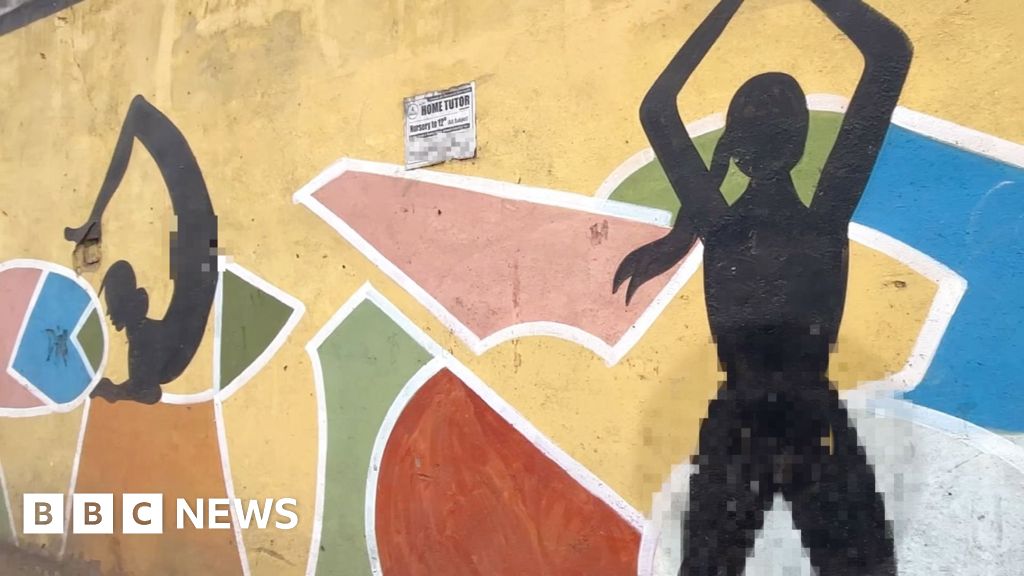
The initial video, shared by a school student, depicted black female silhouettes engaged in yoga poses with white markings deliberately made around their genital areas. Activists and media described the act as “shameful,” “embarrassing,” and “an attack on women’s dignity.”
Following widespread condemnation, city authorities whitewashed the defaced walls, raising questions about whether this cosmetic fix addresses the deeper problem. The incident has intensified focus on the mindset driving such disrespect and the broader implications for women’s safety in public spaces across India.
Detailed Analysis
The defacement of yoga murals in Gwalior is more than a simple act of vandalism; it reflects a disturbing undercurrent of societal challenges regarding respect for women and public spaces in India. This incident unfolds against a backdrop where India actively promotes the ancient practice of yoga, even adorning city walls with artistic interpretations of yoga poses as part of beautification projects. Such murals are common in many Indian cities, including the capital Delhi, celebrating cultural heritage and public aesthetics. The swift and strong public reaction, driven initially by a teenager’s viral Instagram video, highlights a growing intolerance for misogynistic behavior, even when directed at art.
Details of the defacement reveal targeted scratches and marks around the genital areas of female silhouettes, turning a celebration of a spiritual practice into a vulgar display. The teenage student who first brought this to public attention articulated the widespread sentiment, expressing “anger and disgust” at the “cheap thinking, dirty mentality, and deep disrespect.” Social media users echoed these feelings, noting a profound sense of unease and lamenting that “women are not safe even in graffiti.” The media amplified this condemnation, using strong terms to describe the act, underscoring its gravity. While authorities, like the Gwalior Municipal Corporation spokesman Umesh Gupta, quickly blamed “miscreants” and initiated whitewashing, the absence of CCTV cameras means the perpetrators remain unidentified, leaving a gap in accountability.
Comparing this incident with similar global occurrences reveals a recurring pattern of artwork depicting women’s bodies attracting inappropriate attention. A German women’s rights charity, Terre Des Femmes, previously highlighted bronze statues of women globally discolored by being touched and rubbed, often at the breasts. Even instances where feminist groups have found artworks depicting women offensive, leading to protest, underscore the sensitive nature of female representation in art. However, in India, where access to public spaces for women is often described as “limited and fragile” by experts like Kalpana Viswanath of Safetipin, such acts of sexualization, even of abstract art, restrict women’s freedom and add to an environment of vulnerability. The quick whitewashing, while restoring the walls, is seen by many, including the original teenager, as a superficial solution that fails to address the underlying “mentality of the people who are objectifying even a black painting of a woman.”
For general readers and news consumers, this incident offers a critical lens into ongoing social dialogues in India. It emphasizes the need to move beyond cosmetic fixes and tackle the deep-seated issues that foster disrespect towards women. The act of defacement, whether from malice or misguided fun, constitutes a form of sexual harassment, signaling that genuine progress requires engaging with young men to shift harmful mindsets. The most heartening takeaway, as noted by Viswanath, is the growing courage of young women, particularly from smaller cities and towns, who are actively challenging patriarchal norms. This incident, therefore, serves as a poignant reminder of the continuous effort needed to ensure inclusive and respectful public spaces, and the powerful role of youth in driving today’s social updates and current affairs. Future initiatives, beyond just painting new murals, must focus on public education and fostering a culture of respect to prevent such acts from recurring.
About the Author