Key Takeaways
Indian Army eases social media bans with new policy allowing limited usage of apps like Instagram, WhatsApp. Understand strict rules for soldiers. Stay informed on India News.
Overview
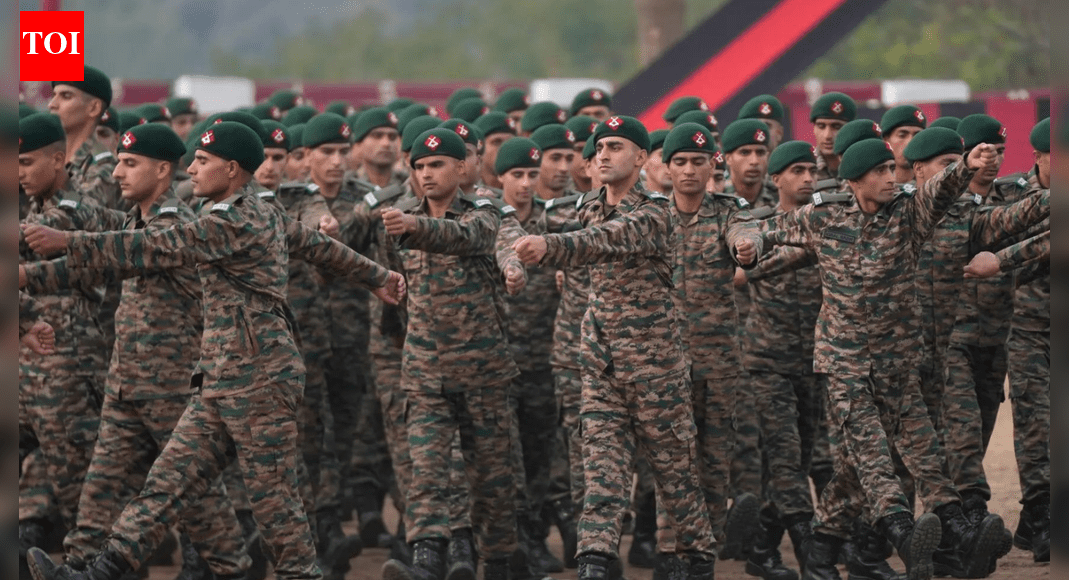
The Indian Army has introduced a new social media policy, easing its blanket bans for over 11.5 lakh soldiers. This significant update permits limited usage of popular applications, balancing national security with personnel connectivity, a key development in India News.
This policy shift matters as it reflects the armed forces’ adaptation to the digital era. Prior strict measures aimed at preventing classified information compromise among soldiers.
Instagram is now for “viewing and monitoring.” WhatsApp, Telegram, Skype, and Signal allow “unclassified information” exchange with “known persons” only.
This calibrated move impacts daily military life, a crucial subject for current affairs and Today Updates on the Indian Army. It bears close monitoring.
Detailed Analysis
The recent announcement by the Indian Army regarding its updated social media policy marks a pivotal moment in the ongoing, complex challenge of digital security versus individual connectivity within military forces globally. Historically, armed forces, including India’s, have maintained an extremely stringent stance on social networking sites. This robust and often unyielding approach stemmed from a paramount need to protect classified information and prevent espionage or inadvertent data leaks, which could have severe national security implications. For many years, the operational policy was a near-blanket ban, frequently compelling officers and soldiers across all ranks to delete their personal accounts on popular platforms like Facebook and Instagram. This aggressive directive underscored the military’s unwavering commitment to operational security, viewing any digital interaction as a potential vulnerability that hostile actors could exploit. The rationale was simple yet profound: in a high-stakes environment, even seemingly innocuous posts could inadvertently provide intelligence or compromise personnel. However, this strictness, while effective in its primary goal, also presented a significant social and psychological disconnect. It often isolated personnel from civilian life and their families, particularly during long deployments, impacting morale and overall well-being in an increasingly hyper-connected world where digital communication is the norm. The new policy, therefore, represents a pragmatic acknowledgment of this evolving digital landscape and the imperative need for a more balanced, albeit rigorously controlled, integration of social media into the daily lives of over 11.5 lakh soldiers. This move signifies a sophisticated effort to navigate the complex terrain of national security in the 21st century, recognizing that a complete prohibition might be unsustainable in the long term, especially for a modern fighting force. It reflects a deep strategic analysis of how technology permeates every aspect of society, including military life, while continuously prioritizing the safety and integrity of the nation’s defence.
The new social media policy introduces meticulously crafted usage rules, allowing limited digital access without compromising core security. For Instagram, access is strictly confined to “viewing and monitoring”; soldiers are explicitly prohibited from posting views, comments, or any user-generated content. This ensures a minimal, non-contributory digital footprint, preventing inadvertent disclosure of location or activities. Similarly, for messaging services like Skype, WhatsApp, Telegram, and Signal, the policy permits “exchange of unclassified information of a general nature or content.” A critical caveat mandates this exchange “only with known persons,” designed to prevent interactions with unknown entities. The policy places full “responsibility for correctly identifying the recipients” squarely on the user, emphasizing individual accountability and mitigating social engineering or phishing risks. Furthermore, platforms like YouTube, X, and Quora allow “passive participation” exclusively to “obtain knowledge or information,” prohibiting user-generated content. LinkedIn usage is also narrowly defined, strictly limited to “uploading a resume and obtaining information on potential employees/employers.” This prevents broader professional networking. These precise, granular restrictions highlight the Indian Army’s continued, unwavering emphasis on data integrity, information security, and maintaining operational secrecy amidst measured relaxation for its personnel.
The Indian Army’s cautious relaxation reflects a global trend of militaries balancing digital integration with security. Unlike some Western armies allowing more personal expression, India’s opts for a controlled, “passive participation” model. This minimizes active information leakage and digital vulnerabilities. Given India’s over 11.5 lakh strong force and geopolitical complexities, a phased, conservative integration is understandable. It prioritizes collective security over complete liberalization. This policy, a nuanced middle ground from previous blanket bans, remains stringent globally, emphasizing national security in complex current affairs scenarios. It’s a significant move for India News and military communications.
For general readers and news consumers, this new policy clarifies how the Indian Army adapts to the modern digital world. Not a full social media embrace, it acknowledges its ubiquity, allowing controlled digital connections for personnel. This could subtly boost soldier morale, enabling limited family contact while mitigating security risks. However, the onus remains heavily on individual soldiers to strictly adhere to guidelines, responsible for “correctly identifying recipients” and distinguishing passive from active participation. Monitoring effective implementation and future refinements will be crucial. This policy underscores the delicate balance the Indian Army maintains between operational readiness, security, and personnel well-being, a key aspect of Today Updates regarding India’s defence strategy and current affairs.
About the Author