Key Takeaways
BCCI instructs KKR to release Bangladesh player amid political pressure. BJP hails move as ‘victory of Hindus.’ Analyze policy, stakeholder views, and future implications for India.
Overview
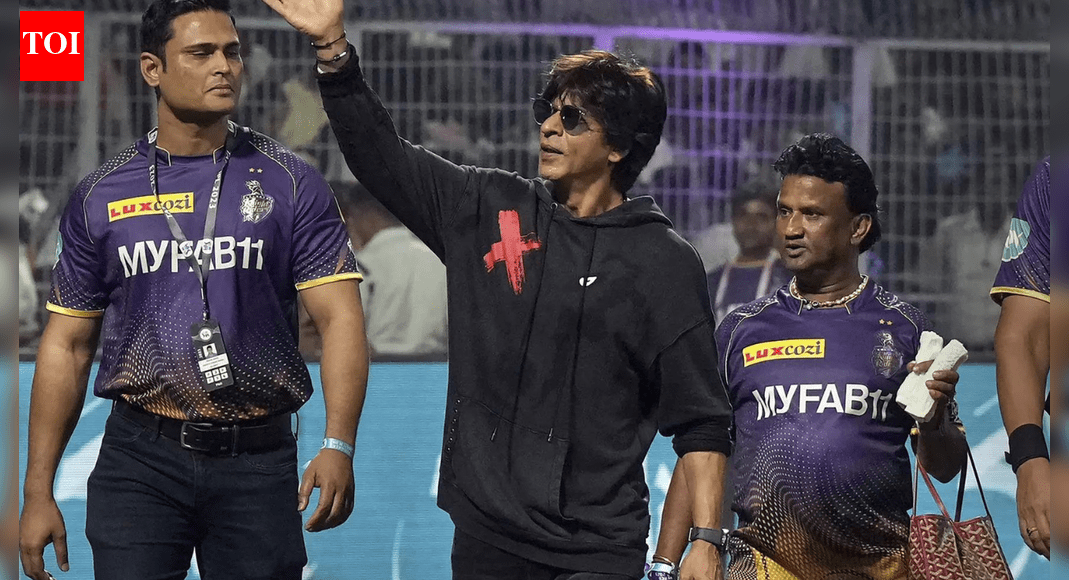
In a significant development intertwining sports, entertainment, and India Politics, the Board of Control for Cricket in India (BCCI) has instructed the Shah Rukh Khan-owned Kolkata Knight Riders (KKR) to release Bangladeshi player Mustafizur Rehman from their roster. This directive follows widespread flak against the team owner and has been notably welcomed by the Bharatiya Janata Party (BJP), which termed it a “victory of the Hindus.”
This decision emerges amidst escalating outrage from spiritual leaders and political figures concerning the recent targeting of Hindu minorities in Bangladesh. The controversy specifically intensified after KKR acquired Mustafizur Rehman for ₹9.20 crore, sparking criticism regarding the perceived insensitivity.
BJP leader Sangeet Som explicitly thanked the BCCI for its decision, stating it was in view of “100 crore Sanatanis of India.” BCCI secretary Devjit Saikia confirmed the instruction, citing “recent developments going all across” as the reason, with KKR allowed a replacement if sought.
This move sets a notable precedent, prompting closer scrutiny from News Readers, Policy Watchers, Informed Citizens, and Political Analysts on the increasing influence of political and religious sentiments on independent sporting decisions within the country.
Detailed Analysis
The recent directive from the Board of Control for Cricket in India (BCCI) to the Kolkata Knight Riders (KKR), mandating the release of Bangladeshi player Mustafizur Rehman, represents a pivotal moment in the intersection of sports governance and national sentiment in India Politics. This decision, publicly hailed by the Bharatiya Janata Party (BJP) as a “victory of the Hindus,” underscores the increasing responsiveness of autonomous sporting bodies to socio-political pressures, particularly those rooted in religious identity and cross-border geopolitical events. The genesis of this controversy can be traced to a series of violent incidents targeting Hindu minorities in Bangladesh, including lynchings in December, which ignited widespread condemnation and outrage across India. Against this backdrop, the acquisition of a Bangladeshi player by a high-profile Indian Premier League (IPL) franchise, owned by a prominent public figure like Shah Rukh Khan, became a flashpoint for expressing grievances. This historical context reveals a pattern where cultural and sporting exchanges, typically seen as apolitical, become imbued with significant political and religious symbolism, reflecting broader national narratives and public mood.
Detailed analysis of this development reveals multiple stakeholder perspectives and policy implications. The BCCI, through its secretary Devjit Saikia, stated the decision was taken “due to the recent developments which is going on all across,” acknowledging the external pressures without explicitly endorsing any political stance. This response highlights a pragmatic approach to de-escalate a burgeoning controversy, demonstrating the organization’s sensitivity to public sentiment and political directives. BJP leader Sangeet Som’s immediate praise, framing the decision as a “victory of the Hindus of the entire nation” and a recognition of the “sentiments of 100 crore people,” positions the party as a champion of majority religious interests and effectively leverages the incident for political mileage. Conversely, spiritual leaders like Devkinandan Thakur and Imam Umer Ahmed Ilyasi had previously criticized Shah Rukh Khan directly, demanding both the player’s removal and a public apology/condemnation of atrocities, showcasing the powerful role of religious figures in shaping public discourse. Shiv Sena leader Sanjay Nirupam’s warning to Shah Rukh Khan of becoming a “major target” further exemplifies the coercive potential of political rhetoric in such sensitive matters. Meanwhile, Congress leader Supriya Shrinate questioned the BCCI and ICC for initially including Bangladeshi players in the auction pool, shifting accountability to the highest echelons of cricket administration, including Home Minister’s son Jay Shah, thereby politicizing the very framework of player selection and government policy in sports. This multi-faceted reaction from diverse political and religious figures illustrates the profound implications for sports policy in India.
Comparing this incident with broader trends in India, one observes an increasing politicization of cultural and sporting events, where national identity and religious sentiments often take precedence over purely professional or commercial considerations. While specific historical data on comparable incidents is not detailed in the source, the current situation resonates with broader discussions about the extent of political influence on autonomous institutions. The BCCI’s decision, while presented as a response to “recent developments,” can be interpreted as a soft policy intervention driven by external political and social pressure, potentially setting a precedent for future player selections from nations with ongoing geopolitical or humanitarian concerns. This raises questions about the long-term impact on India’s standing as a host for international sporting events and the autonomy of its sporting bodies. It also contrasts with the traditional model of sports, where player nationality is typically a sporting rather than a political criterion. The incident underscores a dynamic where policy decisions, even in ostensibly non-political domains like sports, become intertwined with national narratives and stakeholder demands, reflecting a nuanced shift in governance approach.
[Suggested Matrix Table: Key Stakeholder Positions on KKR Player Release]
For News Readers, this incident offers a lens into how complex global events, even those seemingly distant, can directly impact domestic cultural and sporting landscapes in India. It highlights the potent interplay between public sentiment, political rhetoric, and institutional responses. Policy Watchers should closely monitor the BCCI’s subsequent policy amendments regarding international player participation, particularly from countries experiencing civil unrest or political tensions, to gauge the enduring impact of this decision. The allowance for a replacement player also raises tactical policy questions for franchise management. Informed Citizens and Political Analysts should consider how such interventions could reshape India’s soft power diplomacy through sports, and whether this signals a broader trend of identity politics influencing every facet of public life. The political hailing of the decision by the BJP also suggests its potential use as a narrative tool in future electoral campaigns, linking national sports decisions to broader ideological frameworks. Key metrics to monitor include any official statements from KKR or Shah Rukh Khan, reactions from international cricket bodies, and any future policy discussions within the BCCI regarding player selection guidelines and government oversight. The long-term implications could extend to the perceived neutrality of Indian sporting leagues and their susceptibility to external pressures, fundamentally altering the fabric of sports governance in the country.
About the Author