Key Takeaways
PM Modi’s 2025 Mann Ki Baat review signals key policy thrusts. Analyze investment implications across defense, space, and infrastructure sectors. Monitor upcoming policy shifts.
Overview
Prime Minister Narendra Modi’s recent Mann Ki Baat address, reviewing India’s significant achievements in 2025, provides crucial signals for discerning investors. This comprehensive year-end summary, while broad, outlines key governmental strategic priorities that could shape future economic landscapes and investment opportunities across various sectors in the Stock Market India.
For Retail Investors, Swing Traders, Long-term Investors, and Finance Professionals, understanding these policy thrusts is essential. Government focus on areas like national security, sports infrastructure, scientific advancement, and cultural promotion often translates into specific budgetary allocations and sector-specific growth catalysts, influencing investment themes.
Key highlights included ‘Operation Sindoor’ in national security, record wins in both Men’s and Women’s ICC Cricket World Cups, and Shubhanshu Shukla’s space journey, all signaling areas of sustained national emphasis.
This analysis delves into the short-term market sentiment, medium-term sectorial ripple effects, and long-term structural changes implied by these achievements, offering an investor-focused perspective on financial analysis for upcoming policy developments.
Detailed Analysis
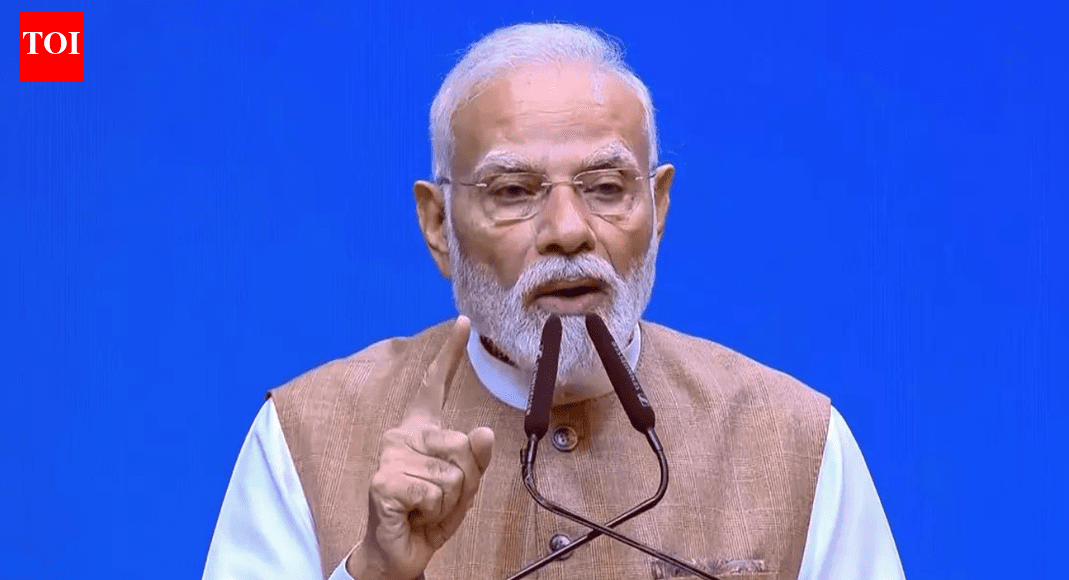
Prime Minister Narendra Modi’s Mann Ki Baat, traditionally a medium for direct citizen outreach, has evolved into a critical platform for communicating governmental vision and perceived successes. The 129th edition, delivered at the close of 2025, served as a retrospective, framing diverse accomplishments as moments of collective national pride. For finance professionals and investors, this address transcends mere political messaging, offering a strategic glimpse into the administration’s long-term developmental blueprint, particularly the ‘Viksit Bharat by 2047’ vision. Understanding these articulated priorities allows for a proactive assessment of potential policy support, regulatory environments, and capital allocation directions that could impact various segments of the Indian economy and NSE-listed companies.
The detailed breakdown of 2025’s achievements, though not containing specific financial metrics, provides strong directional indicators. ‘Operation Sindoor’ in national security underscores an unwavering focus on defense capabilities, potentially signaling continued or increased budgetary allocation to the defense sector. This could benefit public sector undertakings (PSUs) and private players involved in defense manufacturing, technology, and services. The unprecedented success in sports, including multiple World Cup victories and para-athlete medals, implicitly highlights past and potential future investments in sports infrastructure, training facilities, and sports-related goods and services. While specific data on these investments were not disclosed, such governmental emphasis often creates a positive ecosystem for businesses operating in related domains. Shubhanshu Shukla’s journey to the International Space Station epitomizes India’s surging capabilities and ambitions in science and space technology, aligning with the foundational goals of the Indian Space Research Organisation (ISRO). This narrative suggests continued governmental backing for space technology, research and development, and potentially, private sector participation, drawing interest from technology and engineering firms. Environmental efforts, marked by the growth in the cheetah population in Bharat, point to sustained focus on ecological conservation, which could indirectly influence industries aligned with sustainable development, eco-tourism, and environmental services. Cultural milestones like the Prayagraj Mahakumbh and the Ram Temple flag hoisting, while spiritual and cultural, also signify potential boosts to tourism, hospitality, and local infrastructure development. The emphasis on indigenous products, reinforcing the ‘Aatmanirbhar Bharat’ initiative, indicates a push for domestic manufacturing and consumption, favoring local industries over imports. The announcement of the ‘Viksit Bharat Young Leaders Dialogue’ on National Youth Day further reinforces a clear focus on human capital development and future-oriented policies.
Comparing these achievements to India’s long-term strategic goals, particularly the ‘Viksit Bharat by 2047’ vision, reveals a consistent and multi-faceted policy direction. The continued emphasis on national security through initiatives like ‘Operation Sindoor’ aligns with India’s evolving geopolitical stance, potentially fostering stability that is crucial for investor confidence. The success in sports reflects sustained policy efforts and investments, positioning India as a global sporting nation, which could translate into further infrastructure projects and private sector opportunities. The leap in space exploration, exemplified by the ISS mission, underscores India’s ambition for technological leadership, a theme that resonates with long-term investors looking at high-growth, high-tech sectors. The cultural rejuvenation, while not directly financial, supports social cohesion and national identity, which are indirect contributors to economic stability and soft power. The ‘Aatmanirbhar Bharat’ initiative, explicitly mentioned through the enthusiasm for indigenous products, is a cornerstone of economic policy, aiming to boost domestic manufacturing, reduce import reliance, and foster self-sufficiency. This policy framework creates a favorable environment for domestic small and medium enterprises (SMEs) and large manufacturing entities. These initiatives collectively demonstrate a coherent government strategy aimed at holistic national progress spanning defense, economy, culture, and human capital development. For a comprehensive view of policy alignment with sector performance, a future [Suggested Matrix Table: Government Policy Focus vs. Sectoral Performance Impact (Defense, Space, Infrastructure, Tourism)] could be valuable, once specific budgetary allocations are public.
For Retail Investors, these highlights offer insights into potential long-term growth sectors. Companies aligned with defense, space technology, infrastructure development (especially for tourism and sports), and indigenous manufacturing could see sustained policy support and capital expenditure. Swing Traders might monitor specific policy announcements or tenders in these highlighted sectors for short-term trading opportunities, particularly around government contract awards or new initiative launches. Long-term Investors should evaluate companies with robust fundamentals that are well-positioned to benefit from these overarching national priorities, considering the ‘Viksit Bharat’ vision as a long-term economic catalyst. Finance Professionals are advised to conduct detailed due diligence on companies in these sectors, assessing their exposure to government projects, competitive landscape, and ability to capitalize on policy-driven tailwinds. Risks include potential delays in policy implementation, geopolitical shifts, or unanticipated global economic headwinds. However, the consistent articulation of these achievements and future focus areas provides a clear roadmap for monitoring policy efficacy and identifying strategic investment opportunities in the BSE and NSE markets. Investors should closely watch upcoming governmental pronouncements for specific budgetary allocations and implementation timelines related to these sectors.
About the Author