Key Takeaways
Escalating India-Bangladesh tensions raise regional stability concerns. Analyze potential impacts on cross-border trade, FDI, and investment climate for 2025.
Overview
Recent diplomatic friction between India and Bangladesh, marked by reciprocal summons of high commissioners, signals potential disruption to regional stability, a critical factor for cross-border investment and trade in Stock Market India. This escalation follows deeply concerning events in both nations, influencing investor sentiment.
For Retail Investors, Swing Traders, Long-term Investors, and Finance Professionals, understanding these geopolitical shifts is paramount. Bilateral relations significantly underpin regional trade flows and business confidence, impacting various sectors linked to the South Asian economic landscape.
Key developments include protests across multiple Indian cities, the suspension of Bangladesh’s consular services in New Delhi and Agartala, and the arrest of 12 individuals in Bangladesh connected to the killing of a Hindu man.
This analysis delves into the short-term disruptions, medium-term risk assessment, and long-term implications for investment and trading strategies, urging vigilance on further diplomatic and political indicators.
Detailed Analysis
India and Bangladesh share extensive historical, cultural, and economic ties, making the stability of their bilateral relationship a crucial determinant for regional prosperity and the broader investment outlook in South Asia. Any significant strain in this relationship, such as the current diplomatic and social unrest, warrants close scrutiny from investors. Historically, periods of geopolitical tension in the region have often correlated with shifts in foreign direct investment (FDI) sentiment and re-evaluation of supply chain resilience by international and domestic firms alike. The current events, triggered by the tragic killing of Dipu Chandra Das in Mymensingh, Bangladesh, over blasphemy allegations, and exacerbated by the separate killing of political activist Sharif Osman Hadi in Dhaka, have ignited protests across both nations, introducing an element of uncertainty into an already complex geopolitical environment. These developments unfold against the backdrop of upcoming national elections in Bangladesh, adding layers of political volatility that can directly influence economic policy and investment stability.
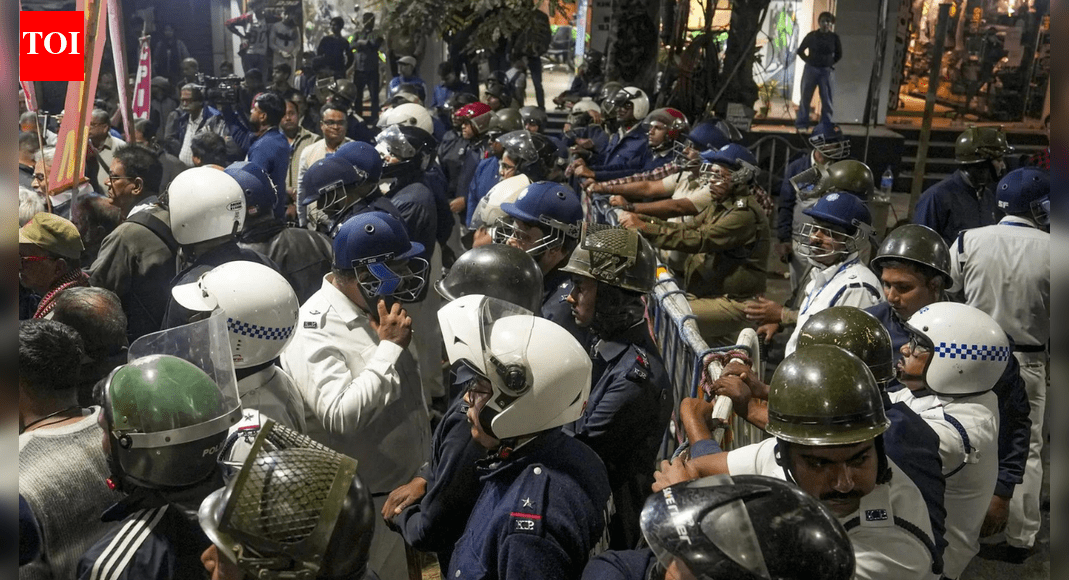
The current situation presents several direct and indirect implications for the Indian and regional markets. The reciprocal summoning of high commissioners by India and Bangladesh signifies a formal escalation in diplomatic concern, moving beyond mere public statements. For businesses involved in cross-border trade, particularly those operating between India and Bangladesh, such diplomatic friction can translate into tangible operational hurdles. The most immediate and quantifiable impact from the source content is Bangladesh’s decision to suspend consular and visa services in New Delhi and Agartala. This administrative measure directly impedes business travel, affects trade facilitation, and could delay investment-related documentation, creating logistical bottlenecks for numerous ventures. Finance professionals must consider these immediate frictional costs in their short-term operational planning. Furthermore, the widespread protests across Indian cities, including Kolkata, Mumbai, Delhi, and Hyderabad, near Bangladeshi diplomatic missions, coupled with police intervention, highlight a significant public sentiment response. While the Bangladesh interim government, led by Chief Adviser Muhammad Yunus, has condemned the killing of Dipu Chandra Das, assured justice through a speedy trial, and announced 12 arrests, the necessity for such a robust and public response underscores underlying societal fragilities that discerning investors factor into their risk assessments for emerging markets.
Comparing the current scenario with past periods of bilateral strain, the suspension of consular services represents a more immediate, albeit temporary, impediment to economic interaction than mere verbal exchanges. While specific trade or investment data directly correlating to this incident is not yet disclosed, industries heavily reliant on the seamless movement of personnel, goods, or rapid document processing—such as textiles, certain manufacturing sectors, and cross-border logistics—are likely to experience direct friction. The political fallout ahead of Bangladesh’s national elections, particularly following the death of a prominent political activist like Sharif Osman Hadi, creates an environment of heightened internal volatility. Such political transitions, especially when marked by unrest, typically cause investors to adopt a more cautious stance, impacting long-term growth projections and potentially influencing sovereign credit assessments. This situation prompts a broader re-evaluation of geopolitical risk premiums for investments within the South Asian region, encouraging a more robust analysis of political stability indicators.
For Retail Investors, monitoring diplomatic channels for signs of de-escalation, alongside news regarding trade policy and any government advisories for businesses operating in the region, is crucial. Swing Traders should be alert to potential short-term volatility in stocks of Indian companies with significant regional exposure, particularly those involved in cross-border logistics or trade with Bangladesh, as news of further escalation or resolution could trigger rapid market reactions. Long-term Investors must evaluate the enduring stability of India-Bangladesh bilateral relations and factor in the sovereign risk assessment for Bangladesh, especially in light of its upcoming political transitions. Diversification strategies might be prudent for portfolios with high South Asian exposure. Finance Professionals should conduct enhanced due diligence on existing and prospective investments in Bangladesh or those heavily reliant on bilateral trade. Scenario planning for prolonged diplomatic tensions, increased operational costs due due to administrative hurdles like visa issues, and potential supply chain disruptions are essential. Key monitoring points include official joint statements from both governments, the resumption of consular services, and the progression of legal proceedings in Bangladesh related to the recent killings. The conduct and outcome of Bangladesh’s upcoming national elections will be a paramount indicator of future stability and policy direction for regional investment.
About the Author