Key Takeaways
Former Pakistan PM Imran Khan and wife receive new sentences for state gift fraud. Analyze the legal implications, political context, and what’s next for Pakistan’s governance.
Market Introduction
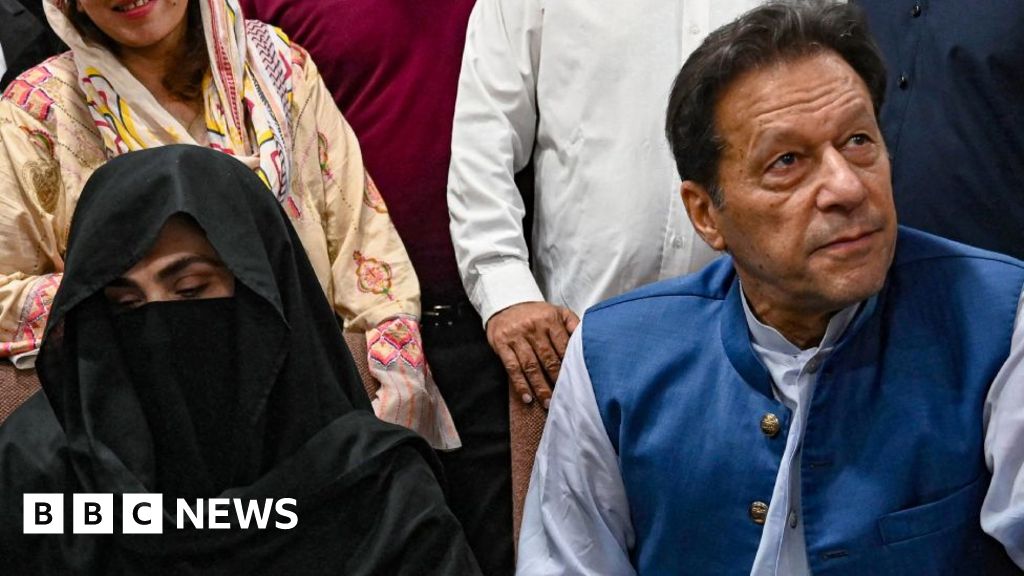
Former Pakistan Prime Minister Imran Khan and his wife, Bushra Bibi, have received additional jail sentences following their conviction in a state gift fraud case. This development adds to the legal challenges facing the cricket star-turned-politician, who has consistently claimed the charges are politically motivated.
For news readers, policy watchers, and political analysts, this verdict underscores the intricate interplay of legal processes and political dynamics in Pakistan. The ongoing legal battles against a former prime minister carry significant implications for governance, opposition movements, and the broader political landscape.
The new sentences include 10 years for criminal breach of trust and seven years for criminal misconduct, along with a fine exceeding 16 million Pakistani rupees. These terms will reportedly run concurrently with earlier convictions, including a 14-year sentence from a separate corruption case in January.
Mr. Khan’s legal team has announced plans to challenge the verdict in the high court, signaling a continued period of legal and political uncertainty in the nation.
Data at a Glance
| Conviction Type | Defendant | Sentence (Years) | Fine (PKR) |
|---|---|---|---|
| State Gift Fraud (Breach of Trust) | Imran Khan & Bushra Bibi | 10 | ~16,000,000 |
| State Gift Fraud (Criminal Misconduct) | Imran Khan & Bushra Bibi | 7 | ~16,000,000 |
| Earlier Corruption Case | Imran Khan | 14 | N/A |
In-Depth Analysis
The recent conviction of former Pakistan Prime Minister Imran Khan and his wife, Bushra Bibi, for state gift fraud marks another significant chapter in the ongoing legal saga surrounding the politician. Khan, who served as Prime Minister until his ousting in April 2022 through a vote of no confidence, has faced a barrage of legal challenges since his detention in August 2023. Historically, Pakistan’s political landscape has seen numerous leaders grappling with legal proceedings, often viewed through a lens of political motivation. This pattern creates a challenging environment for democratic stability and the perception of an impartial judiciary, particularly when prominent opposition figures are involved.
This particular case, referred to as Toshakhana 2, revolves around a luxury jewellery set gifted to Bushra Bibi by Saudi Arabia’s Crown Prince Mohammed bin Salman during a 2021 state visit. Under Pakistan’s Toshakhana rules, state gifts typically go into the state treasury, allowing politicians to purchase items back at a valuation. Khan allegedly engaged a private firm to undervalue the jewellery set before repurchasing it at a significantly reduced price. The court documents highlight these procedural breaches, leading to the sentences of 10 years for criminal breach of trust and seven years for criminal misconduct for both Khan and Bibi, alongside a substantial fine exceeding 16 million Pakistani rupees. These new sentences will run concurrently with his existing prison terms, including a separate 14-year sentence from an earlier corruption case in January.
The legal challenges against Imran Khan extend beyond this specific state gift fraud case. He faces charges in over 100 cases, ranging from leaking state secrets to terrorism charges linked to violent protests in May 2023. While the present conviction is for Toshakhana 2, an earlier, separate Toshakhana case against him also led to a conviction, though that sentence is currently suspended pending an appeal. This multi-faceted legal assault on a former prime minister, juxtaposed with his consistent claims of political targeting, draws parallels to the experiences of other political figures in the region. The sheer volume and variety of charges present a complex legal and political picture. [Suggested Matrix Table: Comparison of Imran Khan’s Key Convictions and Sentences]
For news readers, policy watchers, informed citizens, and political analysts, these developments necessitate close monitoring of Pakistan’s political stability and the integrity of its legal processes. The immediate implication is the reinforcement of Khan’s incarceration and the potential for a prolonged period of legal appeals. Stakeholders should observe how the appeal process unfolds and whether this verdict impacts public sentiment or the trajectory of Khan’s political party, which continues to operate his social media accounts with messages highly critical of the current government and the army chief. The long-term policy implications relate to transparency in government gift handling, judicial independence, and the treatment of opposition leaders. Any perception of selective accountability could erode public trust in institutions, making upcoming elections and government actions critical indicators of Pakistan’s democratic health.
About the Author