Key Takeaways
Minnesota and federal officials cease cooperation in ICE shooting investigation, fueling debate. Explore conflicting accounts and implications for justice.
Overview
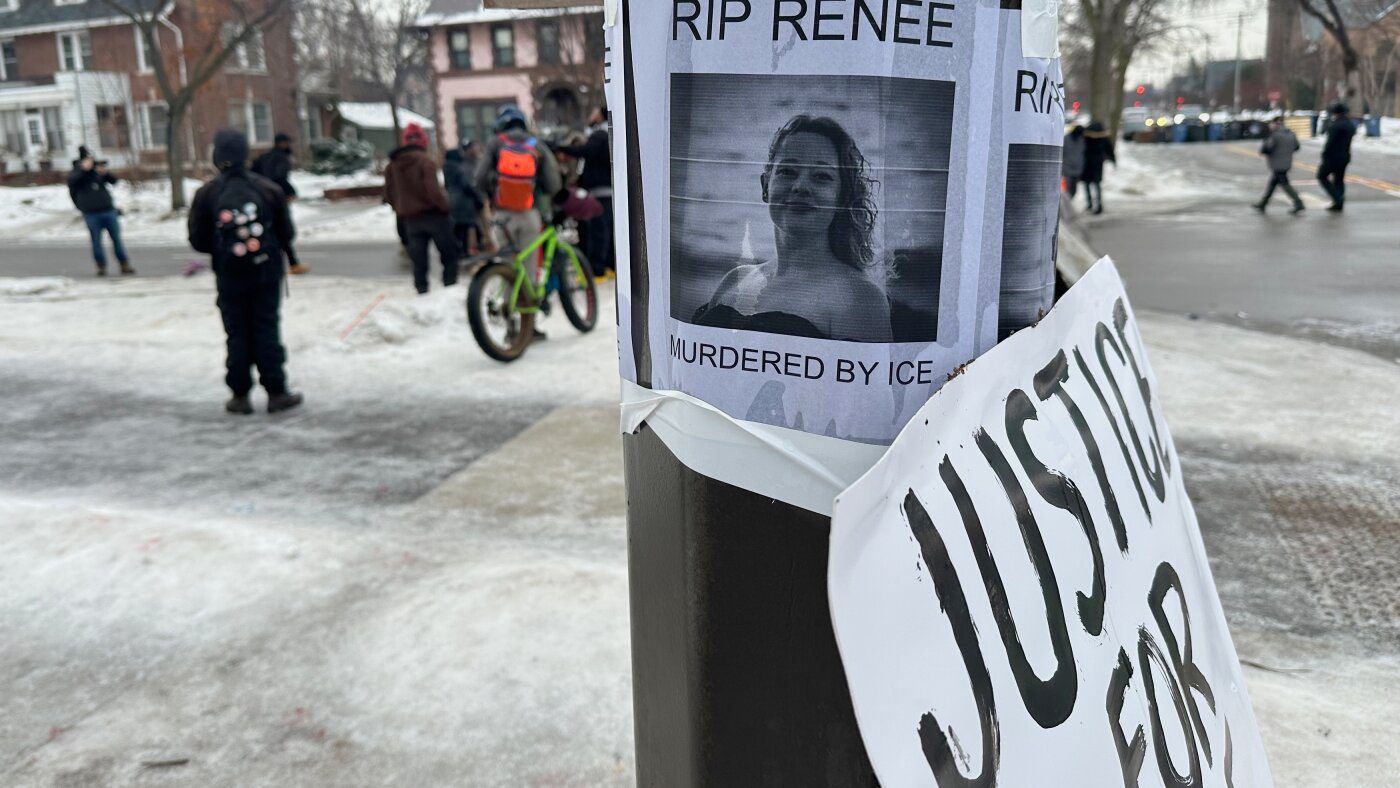
A critical breach of cooperation has emerged in the investigation into a fatal ICE shooting investigation in Minneapolis. Minnesota and federal officials have ceased joint efforts following a deadly incident that left one woman dead, sparking a fierce jurisdictional dispute.
This development carries significant implications for public trust and the pursuit of justice in high-profile law enforcement encounters. The immediate disagreement highlights deep-seated tensions between state and federal authority.
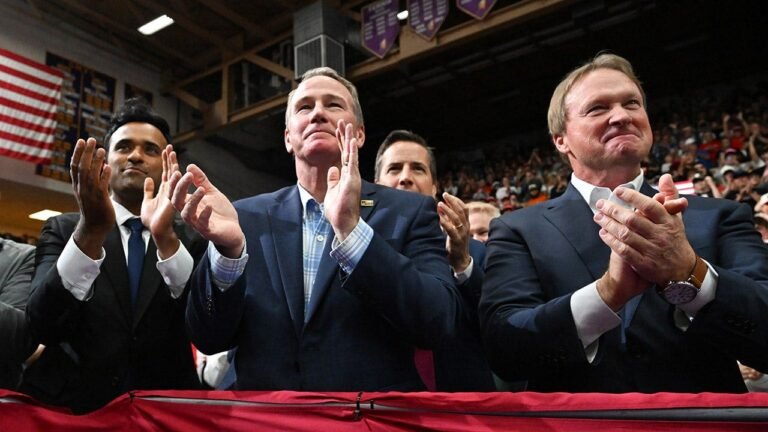
Governor Tim Walz of Minnesota has explicitly called for federal officials to withdraw, while Vice President JD Vance staunchly defends the federal agent’s actions and asserts federal jurisdiction. The state’s Bureau of Criminal Apprehension (BCA) was reportedly removed from the case.
Readers should monitor how this unprecedented lack of cooperation impacts the transparency and outcome of the ongoing federal inquiry, shaping future state-federal law enforcement relations.
Detailed Analysis
The recent fatal ICE shooting in Minneapolis, leading to the death of a 37-year-old wife and mother, has swiftly escalated into a significant dispute between Minnesota and federal authorities. This incident on January 8, 2026, occurred when a federal immigration enforcement agent fired shots into a civilian’s SUV, which was reportedly attempting to drive away from masked agents. The immediate aftermath has been characterized by conflicting narratives and a breakdown in investigative collaboration, echoing broader debates about accountability in law enforcement. Governor Tim Walz’s strong stance, referencing Minnesota’s successful handling of the George Floyd murder investigation in 2020, underscores a state-level assertion of expertise and non-partisanship in such critical inquiries.
At the core of the unfolding crisis is a profound disagreement over both the facts of the shooting and the appropriate investigative body. Governor Walz publicly accused federal officials, including the President, Vice President, and Homeland Security Secretary Kristi Noem, of prematurely passing judgment, thereby compromising the impartiality of a federal-led investigation. He characterized the federal presence as a “reckless ICE mobilization” and urged federal authorities to “leave Minnesota alone.” Conversely, Vice President JD Vance, during a White House press conference, unequivocally defended the ICE agent, stating the agent’s life was in danger and describing the victim as obstructing a legitimate law enforcement operation. Vance attributed the tragedy to the “Far Left” radicalizing segments of the population against ICE agents. The Minnesota Bureau of Criminal Apprehension (BCA), initially slated for a joint investigation with the FBI, confirmed its removal, leaving the federal government to proceed independently.
This jurisdictional standoff draws sharp comparisons to other high-profile incidents requiring law enforcement investigations, particularly those involving federal agents. While Governor Walz cited Minnesota’s proven capability in handling complex, sensitive cases like the George Floyd investigation, the federal government insists its own agencies, the Department of Justice and the Department of Homeland Security, are better equipped. This divergence highlights a critical fault line in accountability: whether local expertise, with its potential for community trust and nuanced understanding, is superior to the broader resources and perceived autonomy of federal bodies. The lack of a unified, cooperative approach jeopardizes the transparency expected by the public and sets a concerning precedent for future inter-agency responses to critical incidents across the nation.
For general readers and news consumers, the ongoing dispute regarding the ICE shooting investigation signifies more than just a procedural disagreement; it represents a challenge to the perceived fairness and integrity of justice systems. The conflicting narratives from high-ranking officials demand careful scrutiny. Citizens should closely monitor the specific findings released by the federal investigation, seeking clarity on the precise sequence of events and the justification for the use of force. Any subsequent legal challenges, public protests, or legislative responses at either the state or federal level will be crucial in understanding the long-term implications. This case could significantly influence future policies governing state-federal cooperation in law enforcement, impacting how justice is pursued and delivered in controversial incidents.
About the Author