Key Takeaways
US Democrats weigh using appropriations power over ICE funding after a Minneapolis shooting. Explore policy implications and congressional strategies for 2026.
Overview
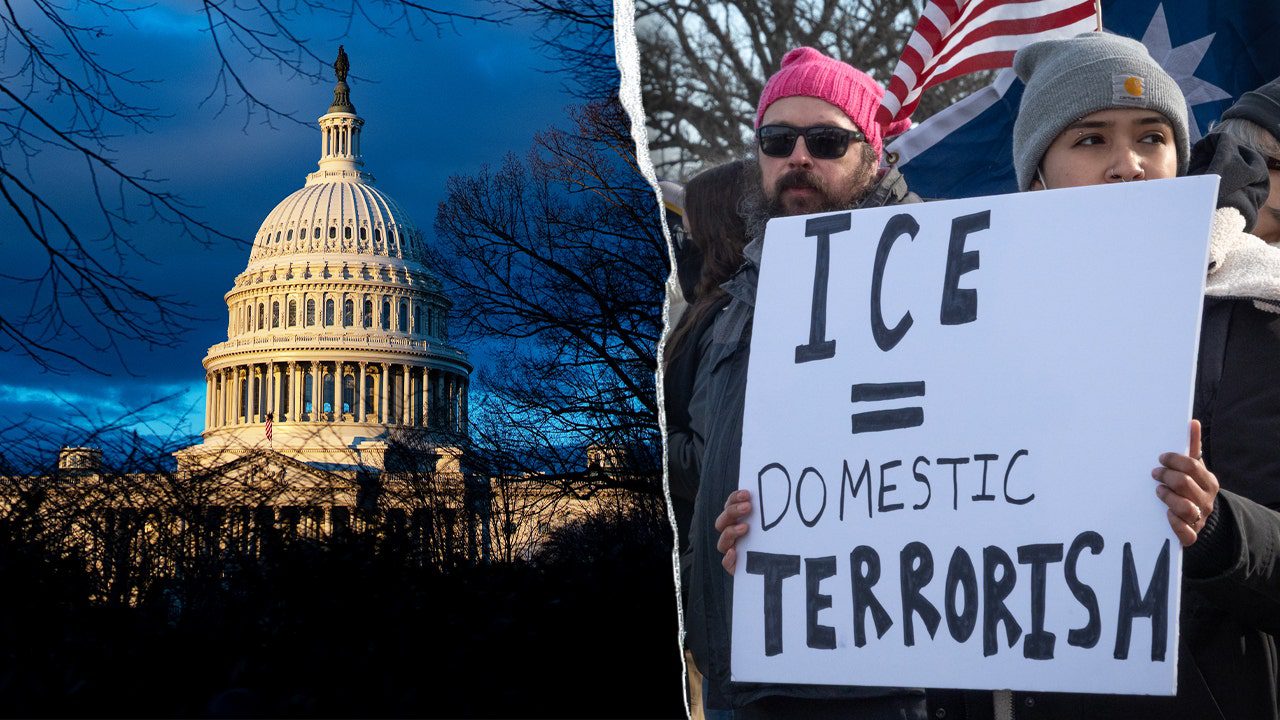
A critical political confrontation looms as Democrats in the United States Congress weigh a potentially contentious funding battle over Immigration and Customs Enforcement (ICE) in the wake of a fatal shooting involving an ICE agent in Minneapolis, resulting in the death of Renee Nicole Good. This incident has reignited calls from progressive factions to leverage Congress’s constitutional authority over the federal purse strings to rein in the agency.
This development carries significant weight for News Readers, Policy Watchers, Informed Citizens, and Political Analysts alike, as it illuminates the intricate dance between legislative oversight, executive agency operations, and the strategic positioning of political parties ahead of critical electoral cycles. The debate underscores the foundational principle that “No Money shall be drawn from the Treasury, but in Consequence of Appropriations made by Law,” granting Congress immense power over federal spending priorities.
The immediate flashpoint centers on the upcoming January 30, 2026, deadline, by which funding for nine distinct sections of the federal government, including the Department of Homeland Security (DHS), is set to expire. This follows a previous 43-day government shutdown and the House’s recent approval of a “minibus” spending package for other departments, hinting at potential reliance on a Continuing Resolution (CR) to avoid another fiscal cliff.
The ensuing analysis will delve into the short-term political maneuvering, the medium-term policy implications for ICE and DHS, and the long-term strategic shifts that this funding dispute could trigger within the Democratic party and the broader U.S. political landscape.
Detailed Analysis
The tragic shooting in Minneapolis involving an ICE agent has catalyzed a renewed and fervent debate within the Democratic party regarding the agency’s funding and operational scope. This event, drawing parallels in its political resonance to past seismic moments such as George Floyd’s death, has fueled demands from the progressive wing for immediate and decisive action. At the heart of this parliamentary struggle is the inherent power vested in the U.S. Congress by Article I, Section 9 of the Constitution, which mandates that all federal expenditures must originate from legislative appropriations. This constitutional prerogative allows Congress to dictate not only the amount of federal spending but also to attach specific conditions or prohibitions on how federal departments and agencies conduct their duties.
Historically, congressional power over appropriations has been a potent, albeit frequently contentious, tool for asserting legislative authority over the executive branch. Instances range from attempts by the left to curb Pentagon or State Department operations following U.S. strikes in Venezuela to more direct confrontations over agency mandates. The current push to leverage funding for the Department of Homeland Security (DHS), under which ICE operates, is thus not an isolated event but a continuation of this long-standing dynamic. Progressives, including figures like Rep. Jasmine Crockett, have expressed profound emotional distress and a moral imperative to act, questioning who in Congress will stand for those impacted by ICE actions. Rep. Jamie Raskin has been particularly assertive, advocating for the use of “every means at our disposal,” including the appropriations process, to effect change at ICE. This could involve direct cuts to funding, limitations on specific spending, or legislative language that restricts certain agency activities, profoundly altering ICE’s operational capacity and mandate.
Within the Democratic caucus, a clear divergence in strategy has emerged, presenting a significant political conundrum. Progressive Democrats, deeply incensed by the Minneapolis incident and long-standing concerns about ICE operations, are advocating for aggressive tactics, including potentially slashing ICE funding or even precipitating a government shutdown. This stance is exemplified by Rep. Raskin’s explicit embrace of the appropriations process as a lever for change. However, Democratic leadership, spearheaded by House Minority Leader Hakeem Jeffries and Senate Minority Leader Chuck Schumer, appears to be adopting a more cautious approach. They have expressed a distinct lack of appetite for another government shutdown, a strategy they fear could significantly undermine their midterm election prospects. Jeffries notably pivoted from questions about ICE funding to emphasize the passage of other appropriations bills and the extension of Affordable Care Act tax credits, a priority that itself sparked a previous government shutdown. Schumer, while acknowledging “lots of problems with ICE,” has conspicuously avoided direct answers regarding abolition or the use of appropriations, signaling a desire to de-escalate rather than initiate a new fiscal battle. This leadership position attempts to balance the demands of a passionate base with broader electoral strategy and the pragmatic realities of governing.
The current legislative landscape further complicates this dynamic. While the House recently passed a “minibus” package for certain federal departments, critical funding bills for the Pentagon, State Department, and DHS for Fiscal Year 2026 remain unaddressed. With the January 30, 2026, deadline fast approaching, Congress is likely to require another “Continuing Resolution” (CR) to keep the remaining parts of the federal government operational. A CR typically renews funding at present levels, effectively maintaining the status quo for agencies like ICE. This contrasts sharply with a full appropriations bill, which provides lawmakers with opportunities to insert specific policy directives, alter funding levels, or impose new limitations. The reliance on a CR, therefore, would be a de facto win for those who oppose aggressive intervention into ICE’s budget and operations in the short term, sidestepping the policy changes progressives demand. Republicans, including Speaker Mike Johnson and Senator Eric Schmitt, have vociferously rejected any notion of a Democratic-led shutdown over ICE, labeling such a move as “weapons-grade stupid” and recalling the perceived failures of previous government closures. The political risk of another shutdown, particularly one initiated by Democrats, is a powerful deterrent for leadership, even as it creates friction with their energized progressive wing, as seen in the internecine battles following previous funding agreements.
For News Readers, Policy Watchers, Informed Citizens, and Political Analysts, the unfolding events present a multifaceted study in legislative power and political strategy. The immediate implications for citizens include the potential disruption of government services if a shutdown were to occur, alongside the ongoing debate about the scope and accountability of federal law enforcement agencies like ICE. Policy Watchers should monitor the specific language in any proposed appropriations bill for DHS, or the details of any Continuing Resolution, for clues regarding subtle shifts in policy or funding directives that could impact ICE’s operations. The tension between the Democratic leadership’s desire for political stability and the progressive base’s demand for aggressive policy action highlights a fundamental internal party struggle that will undoubtedly influence future legislative agendas and electoral strategies. Key metrics to watch include statements from congressional leaders, floor votes on spending bills, and public reactions from advocacy groups and the affected communities. This situation underscores the delicate balance required to navigate intense internal party pressures while striving for legislative effectiveness and broader electoral success, with the January 30 deadline serving as a critical checkpoint for the trajectory of this significant policy debate.
About the Author