Key Takeaways
Swiss resort fire tragedy underscores critical investment risks in hospitality. Analyze safety protocols, regulatory impacts, and due diligence for long-term investors.
Overview
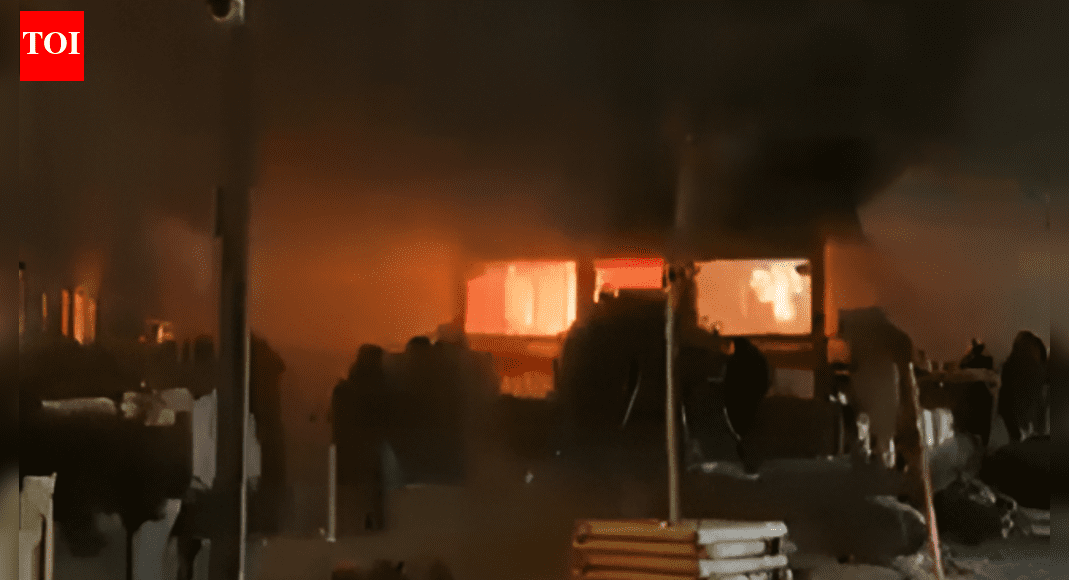
A tragic New Year’s Day fire at Switzerland’s Crans-Montana ski resort claimed at least 40 lives and injured over 100, underscoring critical operational risks within the global hospitality sector. While a devastating human tragedy, this event simultaneously highlights significant considerations for investment analysis and due diligence in industries reliant on public safety and robust infrastructure.
For Retail Investors, Swing Traders, and Long-term Investors, incidents like the Swiss resort fire necessitate a re-evaluation of risk management frameworks, particularly in tourism and leisure. Financial professionals must consider how such events can impact business continuity, liability exposure, and regulatory scrutiny across broader market segments.
Initial reports point to potential causes including sparklers and a single narrow staircase as the sole exit for an event space reportedly accommodating 300 patrons. These details, though preliminary, serve as critical indicators of potential governance and safety protocol gaps.
This analysis delves into the short-term market reactions, medium-term sector implications, and long-term strategic shifts investors should monitor, focusing on enhanced risk assessment for the Hospitality Sector Risk and related assets.
Detailed Analysis
The serene Alpine setting of Crans-Montana, a popular Swiss ski resort, became the backdrop for an unimaginable tragedy on New Year’s Day, as a fire at Le Constellation bar claimed 40 lives. While profoundly lamentable from a humanitarian perspective, such catastrophic events trigger a re-assessment of risk frameworks within the broader investment landscape. Experienced investors understand that systemic failures in operational safety or regulatory compliance, even when localized, can signal vulnerabilities across entire sectors. This incident, occurring in a venue poised to host the Ski World Cup, amplifies global scrutiny on public safety standards. For investment portfolios with exposure to tourism, hospitality, or event management, this tragedy serves as a stark reminder of non-financial risks that can rapidly translate into tangible economic impacts, impacting the Hospitality Sector Risk outlook.
Details emerging from the Crans-Montana fire offer critical insights into potential risk factors. Emergency services responded around 1:30 AM (0030 GMT), containing the blaze, yet the devastation was immense. Reports suggest sparklers used during a champagne bottle presentation may have ignited the fire by coming into contact with the ceiling. Crucially, eyewitness accounts highlighted a single, “narrow” staircase serving as the only exit from the basement event space, reportedly accommodating 300 patrons. This severe egress restriction, if confirmed, represents a substantial operational flaw for any public venue and a direct governance concern. The high casualty count—40 individuals deceased and over 100 injured—underscores catastrophic consequences of inadequate emergency preparedness. For financial analysis, these details are data points indicating a spectrum of risks, from immediate liability claims to long-term reputational damage, directly affecting business valuations.
Comparing the Crans-Montana incident with established global safety standards reveals significant concerns for the hospitality sector. Modern public venues for large gatherings typically require multiple, clearly marked, and unobstructed exit routes, alongside stringent fire safety systems. The reported “single narrow staircase” for a venue hosting 300 people starkly contrasts with best practices in crowd management and emergency evacuation. This situation suggests potential compliance deviations, a crucial red flag for investors performing due diligence. Long-term implications for the Swiss tourism industry, and by extension, the global hospitality sector, could include increased regulatory oversight, higher insurance premiums, and more rigorous safety audits. Investors should monitor how jurisdictions react, as stricter mandates could elevate operational costs for businesses, potentially affecting profitability and competitive positioning. This event conceptually illustrates financial vulnerability linked to operational governance failures.
For Retail Investors, Swing Traders, and Long-term Investors, the Crans-Montana fire serves as a potent reminder of integrating Environmental, Social, and Governance (ESG) factors, particularly safety and risk management, into investment decisions. While immediate stock market reactions might be localized or sector-specific, the broader lesson emphasizes rigorous due diligence on any company operating public venues. Finance Professionals should scrutinize corporate governance, insurance coverage adequacy, and adherence to international safety standards. Investors should monitor the ongoing investigation for official findings on causation and protocol breaches, as these will shape future regulatory responses. Anticipate potential shifts towards enhanced safety mandates globally, impacting operational costs and valuation multiples in leisure, tourism, and entertainment sectors. Robust safety protocols are not just ethical requirements but fundamental components of sustainable business continuity and long-term shareholder value, critically impacting the overall investment outlook.
About the Author