Sometimes it seems like everyone — and every occasion — demands cashmere these days.
Numerous brands sell cashmere sweaters, from Bruno Cucinelli’s $7,900 cable knit cardigan to Quince’s $50 crewneck. Menswear company Loro Piana has made cashmere a cornerstone of its lineup, helping to drive the LVMH division’s valuation above €11 billion. There are even cashmere running shirts.
But as cashmere has spread throughout the fashion industry, it’s not for everyone. It’s still relatively expensive, hard to care for, and environmental fraught. The goats that produce cashmere have been trashing rangelands across Central Asia.
That may change, though. I recently experienced an alternative fiber called renoa, developed by a startup called Everbloom, that’s washable and promises to be more affordable. It could bring the cashmere experience, via a substitute material, to more products and people.

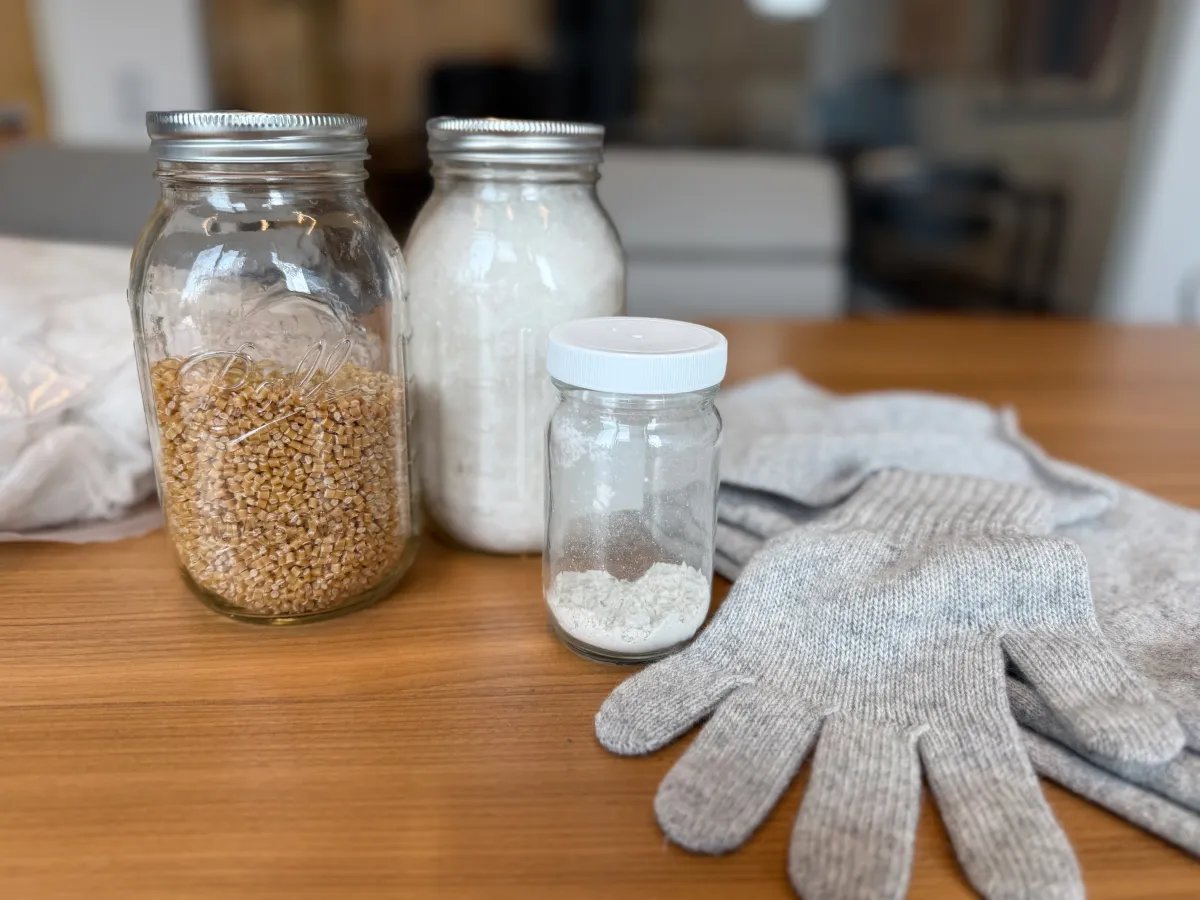
Renoa is made from sources of waste protein, including cashmere and wool scraps as well as down and feather “lint” leftover from the bedding industry. Everbloom processes the waste into a powder and blends it with a biodegradable biopolymer, and the combination is then extruded to the right length and diameter to mimic specific natural fibers.
Renoa was recently approved as the first new fiber classification in 25 years by the U.S. Federal Trade Commission, which regulates fiber labeling in the U.S.
Everbloom has been developing the new fiber for three years, and is currently in the process of scaling up. The startup developed its own AI model for material science, and a cashmere substitute is the first product.
Last month, I stopped by Everbloom’s headquarters in New York City, which sits 15 floors above 5th Avenue, kitty corner from Bryant Park. There, co-founder and CEO Sim Gulati walked me through a range of products made with its company’s cashmere-like renoa, including a crewneck sweater, a pair of knit gloves, and a scarf.
The sweater and gloves were soft and light, but the scarf was the most notable. It didn’t look like much, but it had been through the kind of hell and back that a pure cashmere scarf wouldn’t survive. It was a custom item that Everbloom had knit to test renoa, and Gulati had been wearing and washing it for months, including a trip through the tumble dryer before I saw it. It wasn’t pilled, and Gulati said it hadn’t shrunk, either.

Everbloom is currently working with a range of companies to get renoa into consumer products. The first are likely to feature renoa as a blended fiber, making up around 20% of the material in a cashmere sweater, for example. The first product is expected to hit the market in the second quarter of 2027 Gulati said.
The 80/20 cashmere-renoa blend that I felt was extremely close to the real thing, and Gulati said that additional finishing that accompanies commercial garments should eliminate any differences without compromising the washability and stability of the garment. After my visit, I kept thinking about various items in my closet that could benefit from those features. When renoa lands on shelves next year, I’ll be keeping an eye out for it.
When you purchase through links in our articles, we may earn a small commission. This doesn’t affect our editorial independence.
Source: https://techcrunch.com/2026/11/01/heres-what-renoa-the-first-new-fiber-in-25-years-feels-like/
About the Author