Key Takeaways
Gurgaon club shooting sees accused Tushar arrested for firing at a woman who rejected his marriage proposal. Read full details on this urgent India News update.
Overview
A shocking incident in Gurgaon, classified as a critical piece of India News, saw a woman shot at a club after she rejected a marriage proposal. This event underscores the escalating concerns around public safety and persistent harassment, demanding immediate attention from law enforcement.
The quick response by authorities highlights the commitment to addressing such serious crimes and ensuring justice for victims. General Readers and News Consumers are keenly following this case as it reflects broader issues within current affairs.
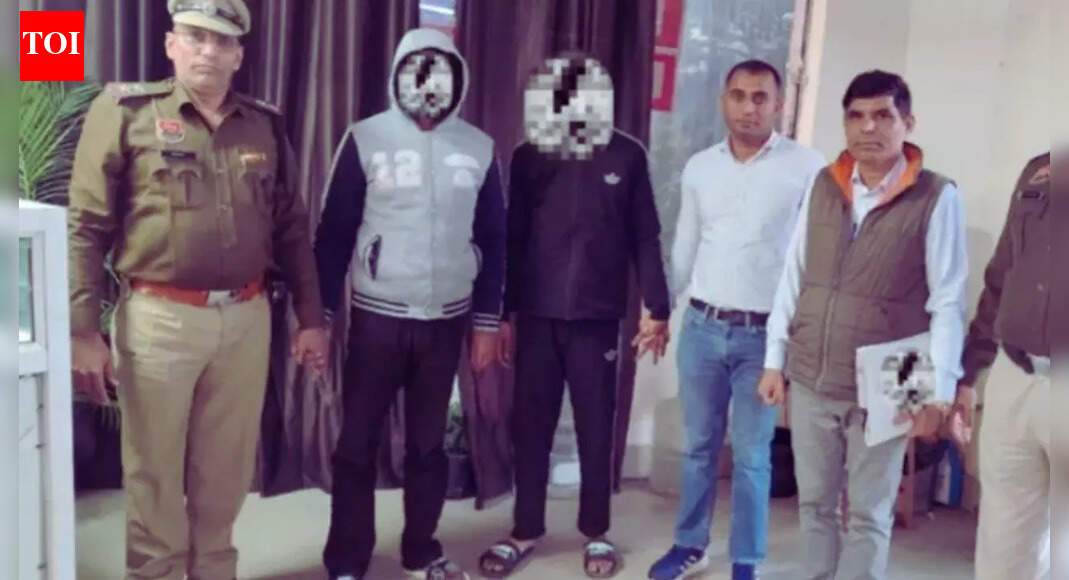
Key details reveal that Kalpana (25) sustained a gunshot wound, allegedly from Tushar (25), who was later apprehended alongside Shubham (24). The arrest took place on December 25 in Baraut, Uttar Pradesh, following intensive efforts by police.
This developing story provides a crucial lens through which to examine the implications of unchecked harassment and the decisive actions required to maintain law and order. Further analysis will delve into the incident’s context and broader societal impact.
Detailed Analysis
What commenced as an ordinary evening at a Gurgaon club unexpectedly devolved into a scene of grave violence, capturing significant attention in today’s updates. This incident is not isolated, but rather a chilling example of personal disputes escalating into public endangerment, a trend that unfortunately surfaces periodically in different parts of the country. The case of Kalpana, a 25-year-old woman, highlights the extreme dangers individuals face when rejecting unwanted advances, especially when those advances escalate to persistent harassment. The accused, Tushar, had allegedly been harassing Kalpana for approximately a month prior to the shooting, repeatedly pressuring her for marriage despite her already being married. This pattern of escalating aggression, moving from social chaos in her locality to a direct assault, underscores a troubling trajectory of violent behavior.
Police reports delineate a disturbing sequence of events leading up to the shooting. Tushar’s harassment had previously manifested in disruptive behavior, including visiting Kalpana’s residential area, creating a ruckus, and even discharging a firearm at her house. Such an act constituted a clear warning sign, prompting the registration of a case at the DLF Sector 29 police station. Despite this prior legal action, Tushar’s determination to coerce Kalpana into marriage persisted, culminating in the club shooting. On the night of the incident, Tushar, accompanied by Shubham, again confronted Kalpana at the club, reiterating his marriage proposal. Upon her refusal, he allegedly used a pistol to shoot her, demonstrating a shocking disregard for law and human life. The subsequent arrest of both Tushar and Shubham from Baraut in Uttar Pradesh on December 25 signifies the swift and coordinated efforts of the Crime Branch Sector 40 and MG Road police post.
The Gurgaon club shooting, unfortunately, aligns with a concerning pattern of rejection-fueled violence reported across India. While specific quantifiable comparison data for such incidents is not explicitly disclosed in the source, this event resonates with numerous past cases where individuals, primarily women, have faced severe retaliation for asserting their autonomy. The pre-existing police complaint against Tushar for firing at Kalpana’s house highlights both the challenges in preventing such crimes despite early intervention and the critical importance of a robust legal follow-up. This incident underscores the need for heightened vigilance and more effective protective measures for victims of harassment. The collaborative effort between different police units to track and apprehend the accused across state lines provides a crucial example of effective law enforcement response, contrasting with potential scenarios where such perpetrators might evade justice.
For General Readers and News Consumers, this incident serves as a stark reminder of the importance of addressing harassment and stalking promptly and decisively. It emphasizes the need for individuals to report any form of persistent and threatening behavior to authorities, trusting the legal framework designed to protect them. The swift arrest in this Gurgaon club shooting case should offer some reassurance that law enforcement agencies are committed to acting against such heinous crimes. Moving forward, the community will closely monitor the judicial process, seeking to understand the full implications of the court’s proceedings. This case is crucial not only for justice for Kalpana but also in setting a precedent for public safety and discouraging similar acts of violence across the region and the wider nation.
About the Author