Key Takeaways
Australia initiates a major security intelligence review after the Bondi attack. Understand global counter-terrorism policy implications, government oversight, and strategies for 2025.
Market Introduction
Australian Prime Minister Anthony Albanese has initiated a comprehensive review of the nation’s police and intelligence agencies. This significant policy decision follows the recent ISIS-inspired Bondi Beach attack, highlighting evolving global security challenges and the imperative for government adaptation, impacting national security architecture, civil liberties, and international cooperation against extremism.
The review, due by April 2026, aims to scrutinize agency powers, structures, processes, and data sharing capabilities. Naveed Akram has been charged with 59 offences, including 15 counts of murder and one of committing a terrorist act, in connection with the attack.
The attack, declared a terrorist incident, reinforces the rapidly changing security environment, according to Albanese, who stressed the need for security agencies to be in the best position to respond.
The subsequent analysis will delve into the short-term governmental responses, medium-term policy adjustments, and long-term implications for Australia’s security landscape and its global political standing, offering crucial insights for policy watchers and informed citizens worldwide.
In-Depth Analysis
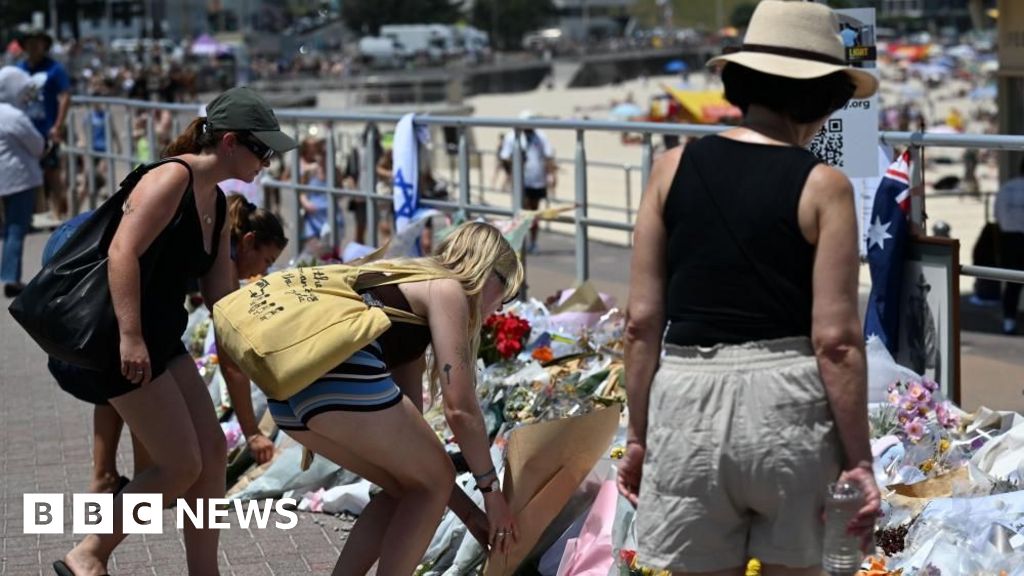
The recent Bondi Beach attack, deemed an ISIS-inspired atrocity, has served as a stark reminder of the persistent global threat of extremism, prompting a significant governmental response in Australia. This incident, occurring in a nation often perceived as geographically distant from major conflict zones, underscores that no country is entirely immune to evolving security challenges. Historically, major security breaches or terrorist attacks frequently trigger comprehensive governmental reviews of existing counter-terrorism frameworks and intelligence capabilities. Analogous to the paradigm shifts observed after events like 9/11 or 26/11, Prime Minister Anthony Albanese’s immediate call for an intelligence review reflects a critical political imperative to adapt to what he describes as a ‘rapidly changing security environment.’ This proactive stance by the Australian government, announced amid a national day of reflection to mourn the 15 victims, signals a profound commitment to enhancing national resilience and ensuring security agencies are optimally equipped to safeguard citizens.
The intelligence review, slated for completion by April 2026, focuses on several critical dimensions: the powers, structures, processes, and inter-agency sharing arrangements within federal law enforcement and intelligence bodies. This multi-faceted mandate indicates a holistic governmental approach, transcending mere operational tweaks to potentially encompass significant legislative and structural reforms. The police investigation has identified a ‘father-son duo,’ allegedly inspired by ‘Islamic State ideology,’ as responsible for the attack, with Naveed Akram facing charges for multiple murders and a terrorist act. This detail highlights the complex and often localized nature of modern extremist threats. Complementing the intelligence review, the Australian government is also advancing plans to tighten gun controls, while the New South Wales state administration is advocating for stronger measures against hate speech. These parallel policy initiatives collectively aim to address both the means and the underlying ideologies that fuel such acts of violence, thereby strengthening the nation’s overall security posture.
Australia’s post-attack policy response aligns with practices observed in other developed nations grappling with similar security threats. Countries like the United Kingdom and the United States have consistently refined their intelligence mandates and oversight mechanisms following significant terrorist incidents, continuously seeking a dynamic equilibrium between public safety and civil liberties. The emphasis on improving ‘sharing arrangements’ is particularly salient, as past reviews in various jurisdictions have frequently identified inter-agency communication gaps as critical vulnerabilities. This Australian review could foster a more integrated and coordinated national security architecture, echoing reforms implemented across other Five Eyes intelligence partners. Furthermore, the proposed tightening of gun control legislation resonates with global dialogues on firearms regulation, especially pertinent in democratic societies that have experienced mass shootings. [Suggested Matrix Table: Comparative Analysis of Post-Attack Intelligence Reforms (Australia, UK, US), detailing review scope, legislative impacts, and inter-agency coordination initiatives following major terrorist incidents.]
For News Readers and Informed Citizens, the ongoing intelligence review in Australia signifies a tangible government commitment to enhancing public safety, though the potential ramifications for privacy and civil liberties will warrant close observation. Policy Watchers and Political Analysts should meticulously examine the review’s eventual recommendations, particularly concerning the expansion of agency powers, funding allocations, and mechanisms for state-level cooperation. The April 2026 deadline for the review’s findings represents a critical milestone, offering a clear timeframe for evaluating the government’s strategic adjustments. Monitoring parliamentary debates on forthcoming gun control and hate speech legislation will also be essential for understanding the full scope of Australia’s policy response. Ultimately, this comprehensive effort seeks to bolster national resilience against evolving security threats, ensuring Australia’s governance framework effectively adapts to both domestic extremist challenges and broader global security dynamics, potentially informing similar policy dialogues in other nations.
About the Author