Key Takeaways
Iran’s ‘total war’ rhetoric highlights technology’s role in modern conflict. Explore implications for defense innovation, cybersecurity, and startup resilience for Tech Enthusiasts.
Overview
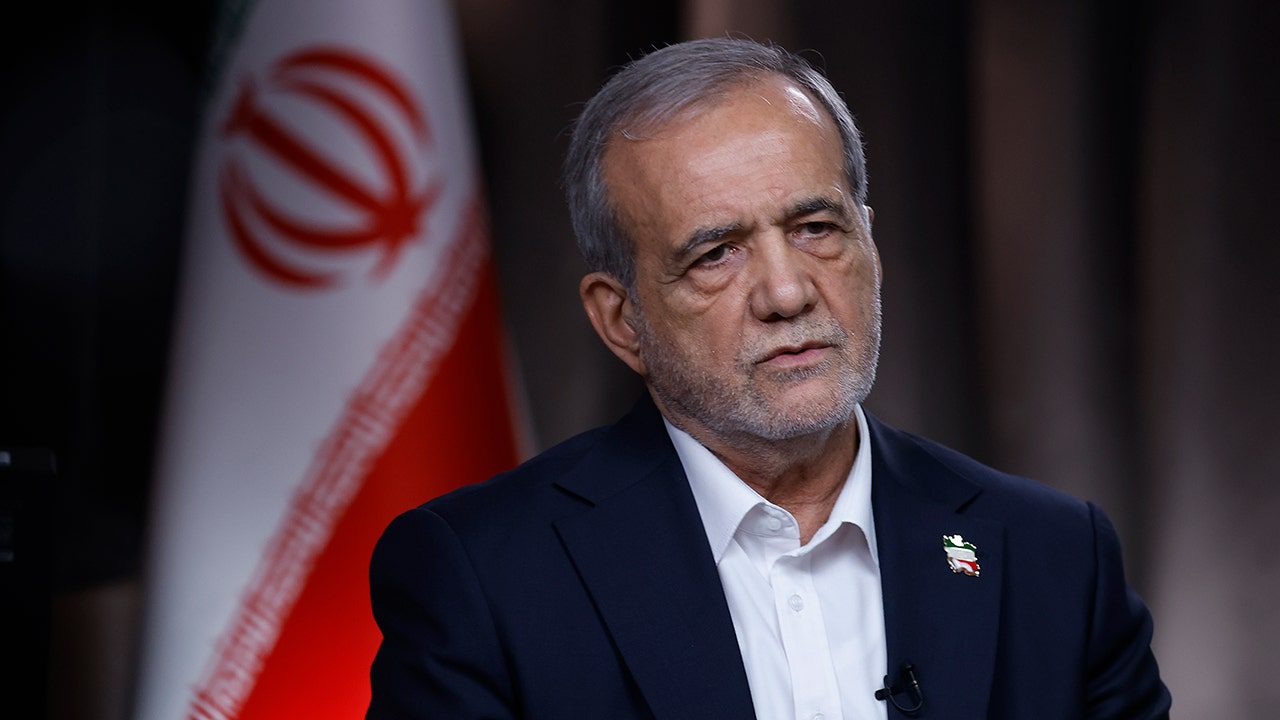
Iranian President Masoud Pezeshkian’s recent declaration of a “total war” against the U.S., Israel, and Europe, while inherently political, critically underscores the evolving role of advanced technology and innovation in contemporary geopolitical conflicts. This strategic shift moves beyond traditional military engagements, indicating a multi-faceted confrontation where technological prowess and vulnerabilities are paramount.
The concept of a conflict “more complex” than the Iran-Iraq war of the 1980s, with pressure exerted “from every angle,” signals an expansion into domains heavily reliant on digital infrastructure, sophisticated weaponry, and information control. For Tech Enthusiasts, Innovators, and Startup Founders, this perspective highlights how global tensions invariably accelerate developments in defense technology, cybersecurity, and strategic software.
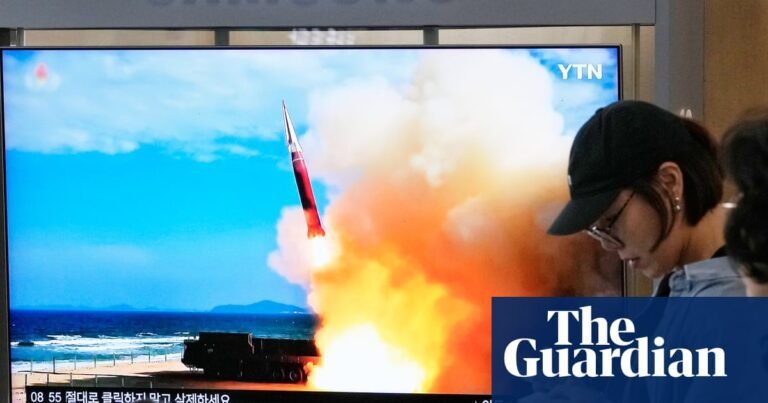
Key events like the June air conflict, which led to the destruction of Iran’s nuclear enrichment capacity and significant casualties, along with subsequent missile attacks, serve as stark reminders of high-stakes technological applications. The explicit targeting of “nuclear sites” further emphasizes the technological core of these disputes.
This article provides a detailed tech analysis, exploring the market context and future implications of such declarations on technology India, AI, and startups, urging a focus on robust cyber defense and innovation resilience.
Detailed Analysis
Geopolitical tensions, historically, have often acted as potent accelerators for technological advancement, pushing the boundaries of what is possible in defense, communication, and intelligence. From the space race spurred by the Cold War to the rapid development of internet protocols during periods of perceived global instability, necessity frequently mothers innovation. Iran’s President Pezeshkian’s characterization of a “total war” against a formidable coalition – the U.S., Israel, and Europe – signals a contemporary conflict paradigm where technology is not merely a tool but a central battleground. This framing implies a struggle that transcends conventional military engagements, permeating economic, cultural, political, and security spheres, each increasingly digitized and interconnected. Such a complex, multi-domain confrontation inherently demands and drives significant technological responses and counter-responses, influencing global innovation trajectories and strategic tech investments, particularly relevant to Technology India’s growing defense and cybersecurity sectors. The focus on “nuclear scientists” among casualties and the destruction of “nuclear enrichment capacity” underscores the critical strategic importance of high-tech infrastructure and human capital in this intricate geopolitical landscape.
A deeper dive into the implications of a “total war” reveals layers of technological engagement. Pezeshkian’s assertion that Iran’s military has emerged “stronger in terms of equipment and manpower” despite various “problems” points towards a concerted effort in indigenous defense innovation. Facing international sanctions and restricted access to cutting-edge global technology, nations often prioritize self-reliance and local development. This could manifest in enhanced capabilities in areas such as drone technology, missile guidance systems, electronic warfare platforms, and encrypted communication networks. The “air conflict” and “missile attacks” mentioned in the source content are direct applications of advanced engineering, precision manufacturing, and sophisticated control software. For developers and tech innovators, these events highlight the rigorous demands of military-grade hardware and software: resilience in extreme conditions, robust cybersecurity to prevent sabotage, and rapid adaptability to evolving threats. Furthermore, the notion of being “besieged from every aspect” – livelihood, culturally, politically, and security-wise – suggests an environment rife with cyberattacks, propaganda disseminated via digital platforms, economic sanctions leveraging financial technology, and pervasive surveillance technologies. This paints a picture of modern warfare where software vulnerabilities, data integrity, and network resilience are as crucial as conventional military might, presenting both immense challenges and pressing opportunities for innovation in cybersecurity and secure computing globally.
Comparing this perceived “total war” to traditional conflicts of the past, like the Iran-Iraq war of the 1980s, immediately highlights the exponential leap in technological complexity. The 1980s conflict was largely defined by conventional ground and air operations, with clear battle lines. Today’s “total war”, as described, is a pervasive, multi-layered engagement, where digital frontlines are as critical as physical ones. This shift requires vastly different technological capabilities – from AI-driven intelligence gathering and predictive analytics to advanced cyber offense and defense mechanisms. While specific technical specifications of Iranian or coalition military equipment are not disclosed in the source, the *type* of conflict implied necessitates innovations in areas like advanced materials for missile payloads, sophisticated sensor fusion for real-time battlefield awareness, and resilient, decentralized communication architectures. Nations under intense international pressure, such as Iran, frequently resort to developing parallel technology ecosystems, often through a combination of reverse engineering, state-backed R&D, and strategic partnerships with non-Western tech suppliers. This dynamic spurs unique trajectories for tech development, sometimes bypassing global standards but aiming for operational self-sufficiency. The ongoing tension also serves as a critical stress test for the efficacy of sanctions regimes, pushing innovators to find alternative pathways for acquiring or developing essential components and software, illustrating the intricate dance between geopolitics and the global technology supply chain.
For Tech Enthusiasts, Innovators, Early Adopters, Developers, and Startup Founders, the implications of such geopolitical shifts are profound. This “total war” rhetoric is a stark reminder that national security is increasingly intertwined with technological sovereignty and innovation capacity. Tech enthusiasts should pay close attention to advancements in dual-use technologies – those with both civilian and military applications – such as advanced robotics, quantum computing for encryption, and sophisticated AI algorithms for complex data analysis. Innovators and developers are presented with both ethical dilemmas and urgent calls to action: creating robust, secure software and hardware solutions that can withstand state-sponsored cyberattacks, ensuring data privacy in hostile digital environments, and building resilient IT infrastructures. Startup founders, especially those in Technology India eyeing defense, cybersecurity, or deep tech sectors, must navigate complex regulatory landscapes, export controls, and potential ethical frameworks governing military-adjacent technologies. Opportunities may emerge in areas like secure cloud solutions, anti-drone technologies, and advanced threat detection systems, but these come with heightened market volatility and geopolitical risks. Monitoring key metrics such as global defense technology investment trends, international cybersecurity policy shifts, and the evolving landscape of tech export regulations will be crucial. Ultimately, these geopolitical undercurrents affirm that technology, far from being a neutral force, is a fundamental driver and determinant of future stability, demanding continuous innovation and adaptive strategies from the global tech community.
About the Author