Key Takeaways
US strikes in Nigeria escalate geopolitical risk. Analyze the potential impact on emerging markets, investment strategies, and global financial stability for 2025.
Overview
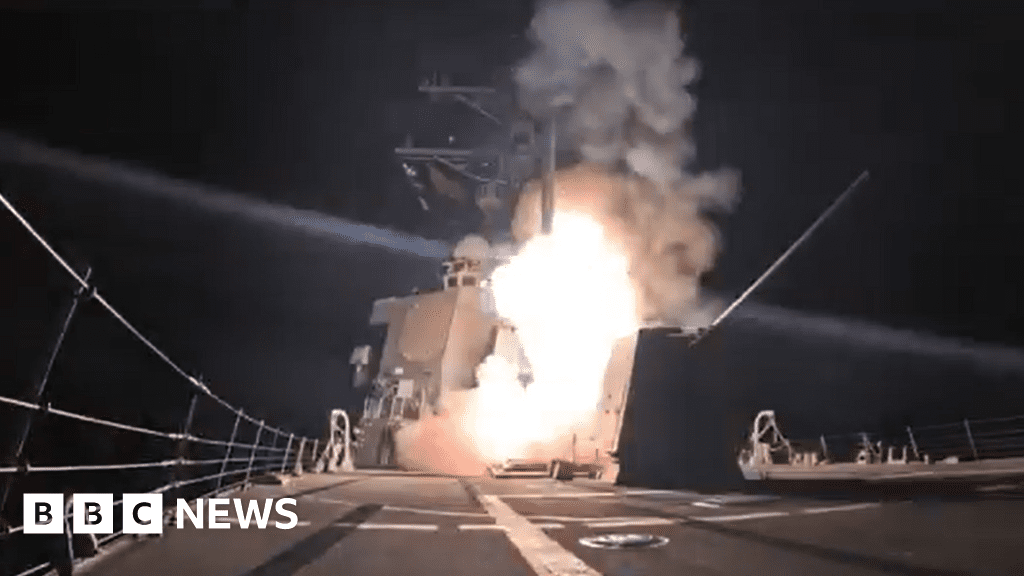
Recent reports confirm the United States launched “powerful and deadly strikes” against the Islamic State (IS) group in north-western Nigeria, as stated by former President Donald Trump. This geopolitical development introduces a critical layer of risk assessment for global investors, particularly those with exposure to emerging markets and their potential impact on indices like the NSE and BSE.
For retail investors, swing traders, and long-term investors, such military actions can impact market sentiment and commodity prices. Finance professionals must evaluate potential ripple effects on sovereign risk and regional stability, directly affecting investment decisions and broader financial analysis.
The US Africa Command (Africom) confirmed Thursday’s coordinated attack in Sokoto state, with Nigeria’s Foreign Minister not ruling out further strikes.
This article provides an in-depth financial perspective on the short, medium, and long-term implications, offering strategic considerations for navigating these evolving geopolitical risks.
Detailed Analysis
Geopolitical events, particularly those involving military action, frequently act as catalysts for market volatility and shifts in investor sentiment. The US strikes against Islamic State in Nigeria, following President Trump’s earlier directive for military preparation in November, highlight an escalating security concern in a strategically important African emerging market. Historically, heightened geopolitical risks in oil-producing or politically sensitive regions often translate into an increased risk premium across global markets. For example, past conflicts in the Middle East have directly influenced crude oil prices and subsequently the energy sector’s performance. Nigeria, as Africa’s largest economy and a significant oil producer, albeit with the current strikes in a non-oil region, commands investor attention. This event occurs within a broader context where global supply chains and commodities markets remain susceptible to political instability, making the assessment of geopolitical risk a crucial component of sound investment strategy and financial analysis.
The detailed breakdown of the US operation, described by Trump as “powerful and deadly” and confirmed by Africom as coordinated with Nigeria in Sokoto state, presents a nuanced risk profile. While Nigeria’s Foreign Minister Yusuf Maitama Tuggar affirmed it as a “joint operation” against “terrorists” with no specific religious targeting, Trump’s narrative highlighted the targeting of “innocent Christians.” This disparity in messaging, coupled with Trump’s earlier designation of Nigeria as a “Country of Particular Concern” due to alleged threats to its Christian population, can create uncertainty. Independent monitoring groups, including Acled, indicate no evidence of Christians being disproportionately targeted by jihadists, with most victims being Muslims, and violence also stemming from farmer-herder clashes. Such conflicting narratives surrounding security incidents in emerging markets can deter foreign direct investment and prompt a re-evaluation of risk-adjusted returns by long-term investors and finance professionals. The lack of clear, consistent data on the ground amplifies perceived instability, impacting investment decision-making.
Comparing Nigeria’s security challenges to other regions, such as the recent US “massive strike” against IS in Syria, highlights global geopolitical instability. While these operations target extremism, they often elevate a nation’s perceived risk profile. For investment analysis, Nigeria’s “Country of Particular Concern” designation by the US, even without immediate sanctions, signals potential policy interventions impacting trade and financial flows. This contrasts with President Tinubu’s assurances of religious tolerance. The broader West African region, often grouped with Nigeria for investment, could see spillover effects on market sentiment. Finance professionals must scrutinize sovereign credit ratings and operational resilience of companies with regional exposure, recalibrating risk models. Long-term investment in Nigeria depends on stable resolution, influencing global investor confidence.
For Retail Investors, Swing Traders, and Long-term Investors, the recent US military action in Nigeria signals an uptick in geopolitical risk, necessitating careful portfolio review. While direct impacts on the Stock Market India or specific NSE/BSE listed companies are not immediately evident, the broader implication is increased uncertainty in global emerging markets. Finance Professionals should monitor sovereign bond yields of African nations for upward pressure, indicating higher perceived risk. Companies with significant operational footprints in Africa, or those in defense, may see indirect impacts. Swing traders might observe short-term volatility in commodity prices if conflict escalates. Investors should track official US and Nigerian statements on future security cooperation and economic policy shifts, which could either exacerbate instability or foster renewed confidence.
About the Author