Key Takeaways
Maduro’s capture raises geopolitical risks. Analyze potential market volatility, sovereign risk, and commodity impacts for informed investment and trading strategies in 2026.
Overview
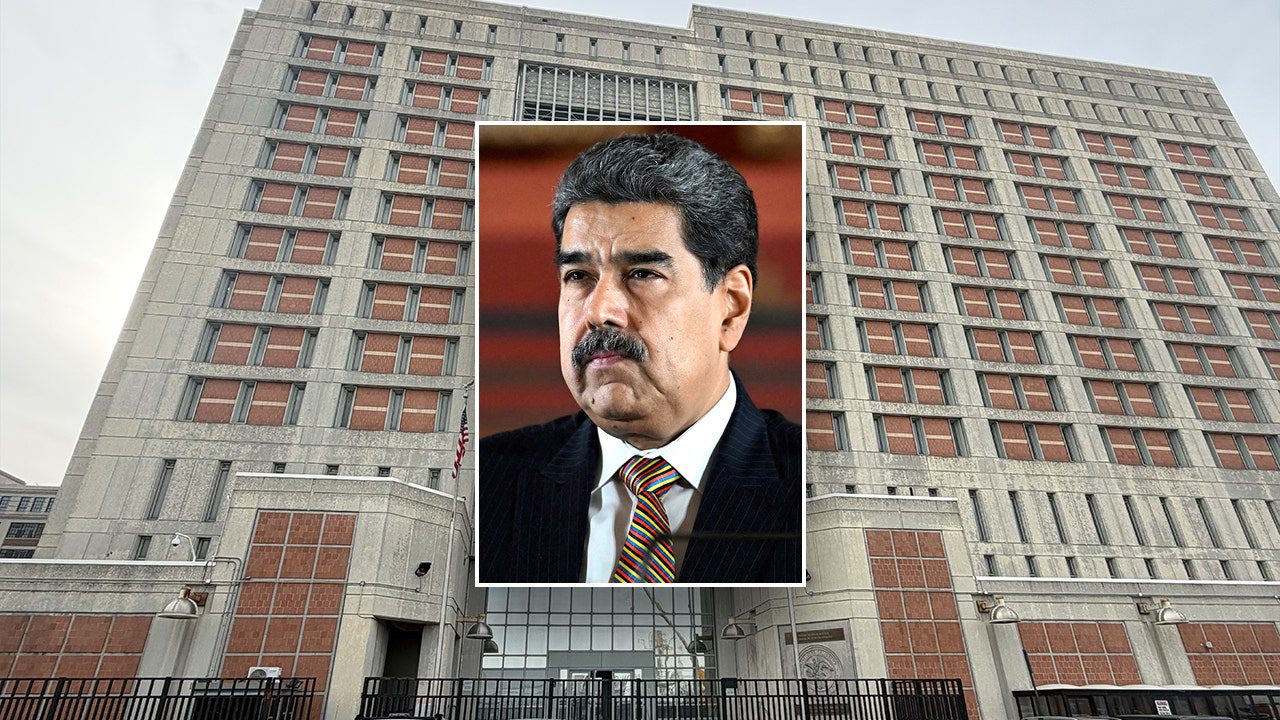
The recent capture and detention of Venezuelan President Nicolás Maduro by U.S. forces marks a significant geopolitical development. Maduro, charged with narco-terrorism conspiracy and other offenses, is now held at Metropolitan Detention Center, Brooklyn, a facility known for housing high-profile defendants like Sam Bankman-Fried.
For investors, such unforeseen geopolitical events introduce heightened global market risk, potentially influencing stability and sentiment. While direct financial implications for the Stock Market India or specific NSE/BSE listed entities are not detailed in the source, broader financial analysis for investment and trading strategies becomes crucial.
Maduro’s indictment includes serious charges such as cocaine importation conspiracy and conspiracy to possess machine guns. His detention alongside individuals like Ghislaine Maxwell highlights the facility’s capacity for high-profile cases, as noted by former Bureau of Prisons assistant director Judi Garrett.
This article offers an investor-focused perspective, guiding retail investors and finance professionals through potential macro-economic ripple effects and considerations for their portfolios.
Detailed Analysis
The apprehension of Venezuelan President Nicolás Maduro by U.S. forces introduces a significant geopolitical event, immediately raising a layer of risk for global markets. Captured in an early-morning operation from a “fortress”-like house, Maduro faces severe U.S. charges, including narco-terrorism conspiracy and cocaine importation. His detention at Metropolitan Detention Center, Brooklyn, known for high-profile defendants like Sam Bankman-Fried, underscores the gravity of this international incident. Such developments, though political, demand careful consideration from investors due to potential market volatility and uncertainty, impacting investment and trading strategies across NSE and BSE listed entities indirectly.
Historically, abrupt shifts in leadership or political stability within key resource-rich nations can trigger widespread market reactions, particularly in commodity-linked sectors. While the source details the capture and charges, it lacks direct financial metrics. However, for finance professionals, this event is a critical indicator of evolving geopolitical landscapes, influencing risk premiums and long-term investment strategies, essential for comprehensive financial analysis.
The U.S. indictment against Maduro details severe charges, notably narco-terrorism and cocaine importation conspiracy, with his wife and son also implicated. This depth of charges heightens perceived geopolitical risk, suggesting broader international financial implications, though direct metrics are absent in the source. His capture, swiftly executed from a “highly-guarded” fortress as former President Trump noted, signals an assertive U.S. posture. Judi Garrett, former assistant director at the Federal Bureau of Prisons, affirmed MDC Brooklyn’s “substantial experience with high-profile defendants,” anticipating Maduro’s initial placement in a Special Housing Unit. This readiness for globally significant individuals implies their legal proceedings could indirectly impact various asset classes, influencing investor sentiment and risk assessment.
The facility’s prior occupancy by figures like Sam Bankman-Fried, embroiled in high-stakes financial fraud, subtly emphasizes the magnitude of cases handled. For finance professionals, evaluating such high-profile legal battles, absent specific market data, necessitates assessing potential sovereign risk for Venezuela and broader regional market implications. This qualitative risk assessment, focusing on political stability and governance quality, remains vital for comprehensive financial analysis and investment strategy.
Absent specific financial metrics for direct peer comparison, the Maduro capture is qualitatively benchmarked against historical geopolitical events impacting markets. Past leadership changes or sanctions in resource-dependent economies often shift commodity prices, notably crude oil, and increase emerging market volatility. Implications for investments tied to Venezuelan trade or stability require monitoring international policy responses and internal dynamics beyond the source.
Long-term investors should assess institutional durability and systemic changes in Venezuela. Swing traders and retail investors may track short-term volatility. Financial analysis here requires extrapolating market movements from non-financial information, when economic data is scarce. This underscores the global politics-market interconnectedness for investment and trading considerations.
Retail Investors and Swing Traders face potential increased market volatility in geopolitical-sensitive sectors like global energy and emerging market funds. Prudent risk management, including portfolio diversification and monitoring international policy, is paramount. Long-term Investors should assess exposure to industries indirectly affected by Venezuelan political instability, considering sovereign risk re-ratings or commodity supply shifts.
Finance Professionals must monitor international diplomatic responses and global trade impacts. While no specific market metrics are detailed, this capture necessitates enhanced qualitative risk assessment in global investment strategy. The incident highlights how macroeconomic stability, often influenced by non-financial geopolitical events, significantly impacts investment returns and market confidence across Stock Market India and international exchanges. Tracking broader geopolitical stability remains crucial.
About the Author