Key Takeaways
Israeli strikes in Gaza killed 13, including 5 children, despite ceasefire. Understand the violations, humanitarian impact, and regional implications for 2026.
Overview
New reports indicate at least 13 people, including five children, were killed in Israeli strikes on the Gaza Strip on Thursday, January 8, 2026. This tragic development unfolds despite a US-sponsored ceasefire that has largely, but precariously, halted widespread fighting in the region. The incident highlights the extreme fragility of the truce and the persistent human cost of the ongoing conflict.
These recent Gaza strikes underscore the severe challenges in maintaining peace and protecting civilian lives, particularly for general readers closely following current affairs. The continuous cycle of violence deepens the humanitarian crisis and risks further destabilizing the already volatile Middle East.
Key reported metrics from Gaza’s civil defence agency include four people (three children) killed by a drone strike on a tent, an 11-year-old girl near a refugee camp, and four more fatalities in an airstrike on a Gaza City house, bringing the day’s total to 13.
This renewed violence calls for immediate attention to today’s updates and global developments, urging a deeper understanding of the context and potential implications for regional stability and humanitarian efforts moving forward.
Detailed Analysis
The Israeli-Palestinian conflict, a deeply entrenched geopolitical struggle, continues to manifest in tragic human costs, even during periods of supposed calm. The recent reports from Gaza, detailing the deaths of at least 13 individuals including five children due to Israeli strikes on Thursday, January 8, 2026, illuminate the profound fragility of the US-sponsored ceasefire. This truce, in effect since October 10, 2025, was intended to alleviate the relentless fighting that had devastated the region, yet it has been consistently plagued by alleged violations from both sides. The historical backdrop of this conflict involves decades of territorial disputes, political tensions, and cycles of violence, making any peace agreement inherently precarious. For general readers and news consumers following India News and current affairs, understanding this enduring context is crucial to grasping why such incidents persist despite diplomatic efforts. The humanitarian situation in Gaza remains dire, with infrastructure severely damaged and a population enduring immense hardship, factors that amplify the impact of any renewed aggression.
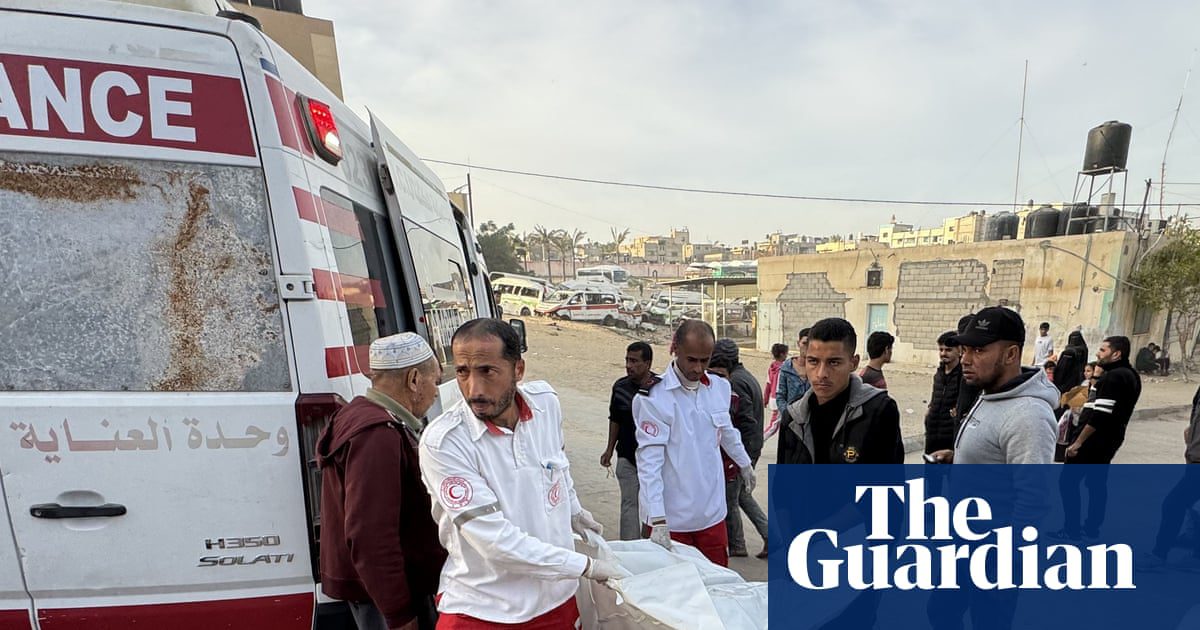
Gaza’s civil defence agency, operating under Hamas authority, provided a detailed account of Thursday’s tragic events. Spokesperson Mahmud Bassal informed AFP that a drone strike hit a tent sheltering displaced people in southern Gaza, killing four individuals, three of whom were children. Further reports indicated an 11-year-old girl lost her life near the Jabalia refugee camp in the north, while another strike on a school resulted in one fatality. A man also perished from a drone strike near Khan Younis. Later in the day, a second significant incident unfolded when an Israeli airstrike targeted a house in an eastern area of Gaza City, claiming four more lives. Bassal confirmed rescue operations were underway to locate missing individuals from this attack, pushing the total death toll for the day to 13 and asserting a “clear violation of the ceasefire agreement.” When AFP questioned the Israeli military about these reports, they stated they were checking the details. Earlier on Thursday, the Israeli military released a statement claiming a projectile was launched “from the area of Gaza City toward the state of Israel” but fell within the Gaza Strip. The military subsequently stated it “precisely struck the launch point,” offering a counter-narrative to the civil defence agency’s claims.
This latest surge in violence fits a troubling pattern of alleged ceasefire violations that have characterized the US-sponsored truce since its inception. The Gaza health ministry reports a staggering 425 Palestinians killed in the territory since the ceasefire took effect in October 2025, a grim testament to the ongoing conflict’s toll despite the cessation of major hostilities. This figure underscores the continuous risk faced by civilians in Gaza. Notably, November 22, 2025, marked one of the deadliest single days during the truce period, with Israeli strikes killing at least 21 people, providing a stark comparison to the 13 reported fatalities on January 8. Conversely, the Israeli military asserts that militants have killed three of its soldiers during the same ceasefire period, highlighting the perception of violations from their perspective. Hamas spokesperson Hazem Qassem explicitly accused Israel of “renunciation of its commitment to the ceasefire,” intensifying the diplomatic rhetoric. The difficulties in independently verifying claims from both sides in a conflict zone like Gaza further complicate international efforts to enforce and maintain a stable truce. This ongoing back-and-forth illustrates the deep-seated mistrust and the fragile nature of peace initiatives, posing significant challenges for international observers and humanitarian agencies.
For general readers and news consumers in India and globally, these developments carry profound implications. The immediate takeaway is the dire human cost of prolonged conflict, particularly for innocent civilians and children, whose lives are disproportionately affected. Such incidents erode any semblance of trust between the warring parties and severely undermine future diplomatic efforts aimed at achieving a lasting peace. The fragility of the ceasefire means that regional stability remains constantly under threat, potentially drawing in other regional actors and escalating tensions beyond the immediate conflict zone. Audiences should monitor several key metrics and events. These include official responses from international bodies like the United Nations, statements from the United States and other global powers regarding the ceasefire’s viability, and any independent investigations into these alleged violations. The flow of humanitarian aid into Gaza, which is critical for the survival of its population, could also be impacted by renewed hostilities. Ultimately, these Gaza strikes serve as a sobering reminder of the urgent need for a more robust and enforceable peace agreement, with strong mechanisms for accountability and civilian protection, to prevent further loss of life and foster long-term stability in the Middle East.
About the Author