Key Takeaways
India proposes Aadhaar-like IDs for EV batteries to boost traceability and recycling. Understand the new rules and their impact on the nation’s growing electric vehicle ecosystem.
Overview
In a significant move towards strengthening India’s electric vehicle (EV) ecosystem, the Ministry of Road Transport and Highways has unveiled a proposal for an Aadhaar-like unique identification number for EV batteries. This pioneering initiative, termed the Battery Pack Aadhaar Number (BPAN), aims to revolutionize battery management across its entire lifecycle, offering enhanced transparency and accountability.
This development is crucial for General Readers and News Consumers as it directly impacts the sustainability and future of electric mobility in India, addressing critical issues of environmental responsibility and resource management. As EV adoption rapidly expands, the challenge of managing battery waste and ensuring efficient recycling becomes paramount for a green future.
Under the draft guidelines, battery producers or importers must assign a 21-character BPAN to every battery, with 80-90% of current lithium-ion battery demand in India driven by EV applications, making this a priority segment.
This proposed framework marks a pivotal step in developing a robust, traceable, and sustainable battery economy, promising significant implications for consumers and industry alike. The focus on EV battery Aadhaar ID is a key update for today’s current affairs.
Detailed Analysis
India’s journey towards sustainable electric mobility has gained significant momentum, but the rapid proliferation of electric vehicles also brings forth the critical challenge of managing battery waste. Historically, the lack of comprehensive traceability for batteries has hindered efficient recycling, repurposing, and accountability throughout their lifespan. The proposed Battery Pack Aadhaar Number (BPAN) system, introduced by the Ministry of Road Transport and Highways, directly addresses this lacuna, aiming to establish a transparent and robust framework for battery lifecycle management. This initiative aligns with global efforts to create circular economies for critical materials, ensuring that India’s EV boom is accompanied by strong environmental stewardship.
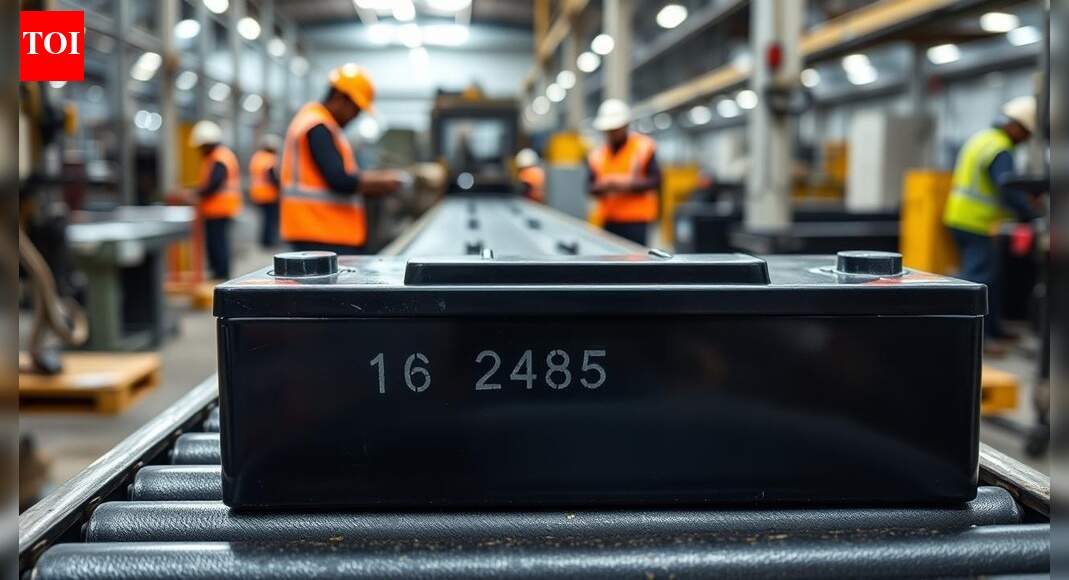
The core of this reform lies in the mandatory assignment of a unique 21-character BPAN to every battery introduced into the market, including those used for self-consumption. Battery producers or importers bear the primary responsibility for this, alongside uploading relevant dynamic data to an official BPAN portal. This unique identifier must be physically placed in a clearly visible and accessible position on the battery, designed to withstand destruction or deterioration. The BPAN will serve as a digital passport, capturing and storing essential information from raw material extraction and manufacturing processes through usage, recycling, or final disposal. Crucially, any alteration in battery attributes due to recycling or repurposing will necessitate the issuance of a new BPAN by the existing or a new producer. This detailed tracking system promises to bring unprecedented levels of transparency and accountability to the entire battery ecosystem.
Comparing the BPAN system to the national Aadhaar identification system for citizens highlights its fundamental purpose: unique identification for comprehensive tracking and verification. While Aadhaar identifies individuals, BPAN identifies a physical asset, a battery, through its entire lifecycle. This unique identification system is particularly impactful given that electric vehicle applications constitute a significant 80-90 percent of India’s total lithium-ion battery demand. Although the guidelines recommend applying BPAN to industrial batteries above 2 kWh, EV batteries have been designated as a priority segment for standard formulation due to their scale, safety considerations, and regulatory relevance. This strategic focus ensures the framework addresses the most impactful segment of the Indian battery ecosystem first, aligning with the Automotive Industry Standard route under the Automotive Industry Standards Committee for structured stakeholder consultation and technical validation.
For General Readers and News Consumers, this proposed EV battery Aadhaar ID system offers several compelling benefits. Firstly, it promises greater environmental sustainability by facilitating more efficient recycling and second-life usage, potentially reducing landfill waste and reliance on virgin materials. Secondly, it enhances consumer safety and confidence by ensuring traceability, making it easier to monitor battery performance and address potential issues. Thirdly, it fosters a more transparent market, empowering consumers with better information about the batteries powering their vehicles. Looking ahead, citizens should monitor the finalization of these guidelines, the development of the BPAN portal, and the industry’s adoption rates. This reform is not just about identifying batteries; it’s about building a more responsible, sustainable, and transparent future for India’s rapidly expanding electric vehicle landscape, a critical update in India News and current affairs today.
About the Author