Key Takeaways
Three men arrested after emergency crews were seriously injured in a South Benfleet crash. Understand the immediate impact and wider implications for public safety and responders.
Overview
In a deeply concerning incident highlighting the risks faced by frontline responders, three men have been arrested following a serious crash in South Benfleet, Essex, which left several emergency crews injured. The incident involved two separate collisions on the A130, escalating a routine callout into a complex criminal investigation.
This event underscores the inherent dangers emergency personnel navigate daily, even when attending existing incidents. The immediate aftermath has seen significant police action, focusing on both the circumstances of the crash and the welfare of the injured officers and paramedics.
Five emergency responders were struck in the second collision involving a white Ford Transit van, with two individuals—a paramedic and an off-duty police officer—remaining in serious condition in hospital. Authorities launched an investigation swiftly, appealing for public assistance.
This breaking news story demands attention for its implications on public safety protocols and the protection of those who serve, providing a critical update on current affairs.
Detailed Analysis
The South Benfleet crash unfolds a stark narrative of the unexpected dangers inherent in emergency response, extending beyond the initial incident itself. While the primary focus often rests on preventing initial road accidents, this particular event in Essex brings to the forefront the secondary risks that emergency services personnel face as they work to secure scenes and provide aid. The timeline reveals a critical sequence: an initial single-vehicle collision involving a white Nissan X-Trail prompted the first emergency call around 00:15 GMT on the A130. It was during the attendance of this first incident that a second, more catastrophic event occurred, directly impacting those dedicated to public safety. This tragic development serves as a poignant reminder of the vulnerabilities emergency workers navigate, often under challenging conditions, and underscores why robust safety measures and public cooperation are paramount at accident scenes. Such incidents contribute to the broader discourse on ensuring adequate protection for emergency personnel across global contexts, echoing similar challenges reported in current affairs internationally.
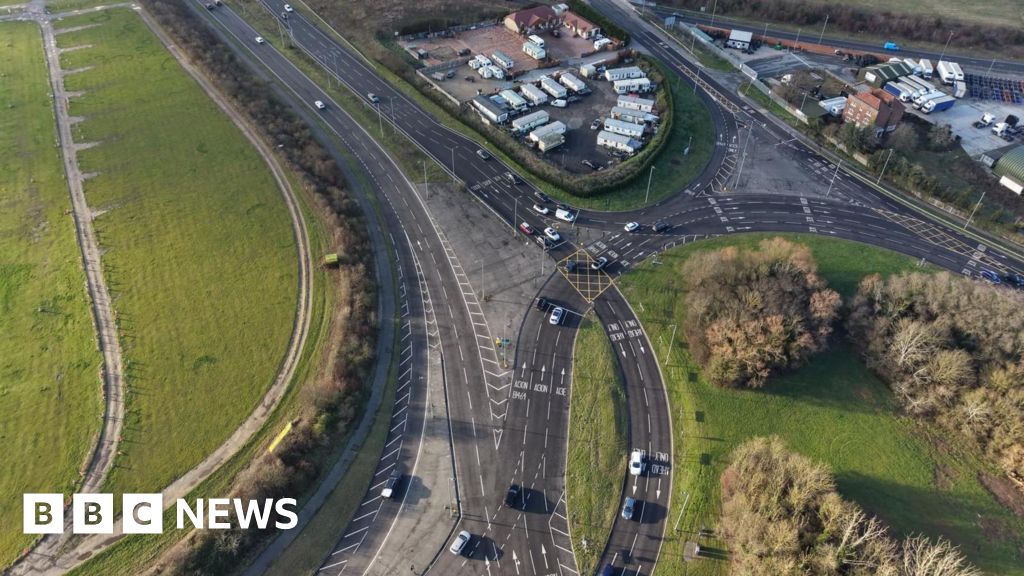
The detailed analysis of the incident reveals a complex situation with significant legal ramifications. While paramedics and off-duty police officers were at the scene of the Nissan X-Trail crash on the southbound carriageway of the A130, between the Rayleigh Spur and Sadlers Farm roundabouts, a second collision occurred. A white Ford Transit van struck five emergency responders, leaving a paramedic and a police officer with serious injuries that necessitated hospitalisation. Essex Police quickly initiated a comprehensive investigation, appealing for witnesses and dashcam footage to piece together the full picture. Crucially, three men were arrested in connection with the incident, facing a litany of serious allegations. A 23-year-old from Canvey faces suspicion of causing serious injury by dangerous driving, theft of a motor vehicle, and driving while unfit through drink or drugs. Similarly, a 29-year-old from Westcliff is suspected of causing serious injury by dangerous driving, theft of a motor vehicle, possession of a Class B or Class C drug, and being in charge of a vehicle while unfit through drink or drugs. A 39-year-old, also from Canvey, faces charges of causing serious injury by dangerous driving and driving while unfit through drink or drugs. These charges highlight a troubling confluence of reckless behaviour and alleged criminal activity.
Comparing this incident to broader trends, the South Benfleet crash mirrors a concerning pattern where emergency workers are increasingly vulnerable to secondary collisions or deliberate acts while performing their duties. While specific data for direct comparisons is not disclosed in this immediate report, the alleged offenses of dangerous driving and driving while unfit through drink or drugs align with persistent challenges faced by law enforcement and road safety advocates globally. The involvement of multiple alleged crimes, including vehicle theft and drug possession, adds layers of complexity, distinguishing this from a simple accident. Such multi-faceted incidents place a significant strain on emergency services, requiring extensive resources for both immediate response and subsequent investigation. The event also underscores the critical need for drivers to exercise extreme caution, adhere to speed limits, and maintain sobriety, especially when approaching any incident scene where emergency personnel are present. The immediate closure and subsequent reopening of the A130 between Sadlers Farm and the A1245 Bonville’s Roundabout leading to the A13 further illustrate the disruptive impact of such serious events on local infrastructure and daily life.
For general readers and news consumers, the South Benfleet crash serves as a stark reminder of the sacrifices and risks emergency responders undertake daily. This incident is more than just a local news update; it is a critical lesson in public responsibility and vigilance on India News and current affairs platforms that transcend geographical boundaries. It highlights the urgent need for community members to support and protect these vital services by exercising caution on the roads and cooperating with investigations. The well-being of the injured paramedic and police officer remains a primary concern, and ongoing support for them and their families is crucial, as emphasized by Ch Supt Morgan Cronin of Essex Police. Citizens should monitor the ongoing police investigation and the subsequent judicial proceedings for the arrested individuals, as the outcomes will set precedents for accountability in such severe cases. This incident reinforces the importance of safe driving practices and respectful conduct towards emergency personnel, ensuring they can perform their duties without facing additional, avoidable dangers.
About the Author