Key Takeaways
Diageo’s Guinness dominates nitro stout, but craft brewers are rising. Analyze market share, valuation, and competitive strategies for investors in the beverage sector.
Overview
Diageo’s Guinness, a formidable presence in the global stout market, faces an evolving competitive landscape as independent brewers increasingly challenge its dominance in the ‘nitro’ stout segment. Backed by its owner’s significant marketing investment, Guinness has revitalized its brand, capturing new demographics and bolstering its market share, creating notable shifts within the beverage industry that warrant close investor scrutiny.
For Retail Investors and Finance Professionals, understanding these dynamics is crucial for assessing long-term viability. Diageo’s strategic brand revitalization, contrasted with niche innovations from craft players, highlights distinct risk and opportunity profiles within the fast-moving consumer goods (FMCG) sector, particularly for Stock Market India analysis.
Guinness achieved a 17.5% pub market share by 2025, leveraging Diageo’s reported £2.7 billion marketing war chest. This contrasts with independent Anspach & Hobday’s London Black, accounting for 70% of their 500,000 litres annual production, significantly less than Guinness’s 1 billion litres.
This analysis details competitive strategies, production scales, and investor implications for firms in the global beverage sector, offering insights for trading and long-term investment decisions.
Key Data
| Metric | Guinness (Diageo) | Anspach & Hobday (London Black) | Murphy’s (Heineken) |
|---|---|---|---|
| Pub Market Share (2025) | 17.5% | N/A | N/A |
| Annual Production (Litres) | 1,000,000,000 | 500,000 | ~6,000 |
| Parent Co. Marketing War Chest | £2.7 Billion (Diageo) | Undisclosed | Undisclosed |
| Brand Valuation (Rumored) | £8 Billion | Undisclosed | Undisclosed |
Detailed Analysis
The global beverage industry, particularly the stout segment, exhibits fascinating dynamics driven by historical brand strength, evolving consumer preferences, and strategic marketing. Guinness, owned by the multinational giant Diageo, has long dominated the nitro stout category, a brewing innovation it pioneered in the 1950s. This process, infusing beer with nitrogen and carbon dioxide, creates the signature creamy mouthfeel and cascading head, setting it apart from standard beers. Recently, Guinness has experienced a remarkable brand resurgence, shedding its “old man” image. Fueled by Diageo’s substantial £2.7 billion marketing war chest and a shrewd understanding of contemporary social media trends, Guinness successfully tapped into Gen Z pub culture, achieving a peak 17.5% market share in pubs by 2025. This resurgence underscores the immense power of brand reinvention and sustained investment, even for heritage products, creating a robust financial outlook for Diageo’s beverage portfolio.
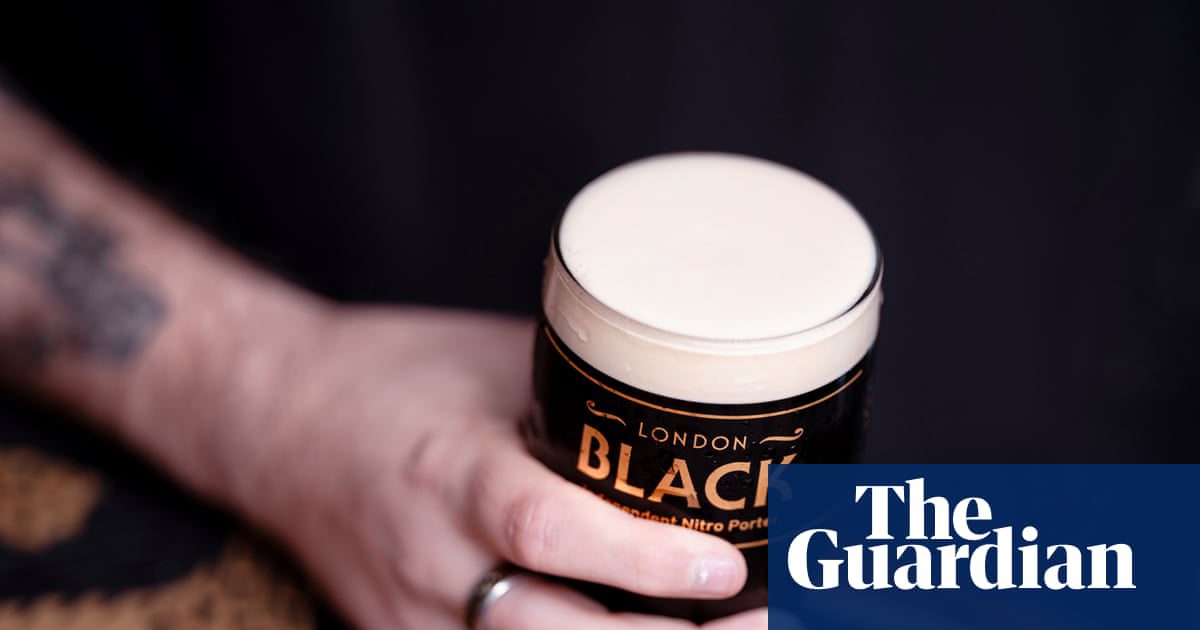
Guinness’s market position is formidable, evidenced by its 1 billion litres annual production and a rumored £8 billion valuation. This scale presents significant barriers to entry for competitors. However, the success of independent brewers like Anspach & Hobday and Titanic Brewery highlights a growing appetite for diverse nitro stouts. Anspach & Hobday’s “London Black,” for instance, boasts a distinct flavor profile with notes of coffee and dark chocolate, deliberately differentiating itself from Guinness. This strategy appears effective, as London Black now constitutes 70% of Anspach & Hobday’s 500,000 litres annual production, a notable achievement for a craft entity. The shift is further affirmed by the Society of Independent Brewers (SIBA), reporting that 80% of its members now brew a stout or porter, and the value of “craft stout” sales in pubs more than doubled last year. These metrics indicate a robust niche growth, but the sheer volume difference – 1 billion litres versus 500,000 litres – underscores Guinness’s overwhelming scale and distribution advantages.
A comparative analysis highlights the immense scale difference between Diageo-owned Guinness and independent nitro stout producers. Guinness’s 1 billion litres annual production dwarfs competitors like Anspach & Hobday (500,000 litres) and Murphy’s (approx. 6,000 litres). Diageo’s substantial marketing budget and global reach, exemplified by Premier League sponsorship, enable extensive market penetration. In contrast, smaller brewers focus on niche differentiation and local heritage, like Anspach & Hobday’s “London Black.” While independents are “nibbling at the edges” and face challenges in distribution, their collective growth in “craft stout” sales, which doubled last year, indicates a vibrant, expanding segment rather than a direct threat to Guinness’s core volume. This suggests a market where premium niche offerings coexist with mass-market leaders.
[Suggested Matrix Table: Comparative Production & Market Scale of Nitro Stout Brands]
For Retail Investors, Diageo PLC, Guinness’s parent, remains a robust investment in the beverage sector, supported by strong brand equity, marketing power, and global distribution. Its successful brand rejuvenation, appealing to new consumer segments, signals resilient brand management. Long-term Investors should monitor Diageo’s market share performance and strategic responses to craft trends, recognizing its scale provides a significant competitive moat. Swing Traders might observe volatility around market share reports or major marketing announcements. Finance Professionals should analyze if craft stout growth erodes Guinness’s share or expands the overall premium dark beer category, potentially creating M&A opportunities. Key metrics include Diageo’s earnings reports, global stout volume growth, and strategic acquisitions, impacting investment decisions across NSE and BSE listed entities.
About the Author