Key Takeaways
Craig, Africa’s iconic super tusker and beer ambassador elephant, dies aged 54 in Kenya. Discover his legacy for conservation and tourism.
Overview
In a moment of profound significance for global conservation efforts, Craig, one of Africa’s largest male super tuskers and a celebrated elephant icon, has passed away at the age of 54. His peaceful death from natural causes in Kenya’s Amboseli National Park marks the end of an era for a creature beloved by wildlife enthusiasts and a symbol of successful protection efforts, making it a key item in today’s current affairs.
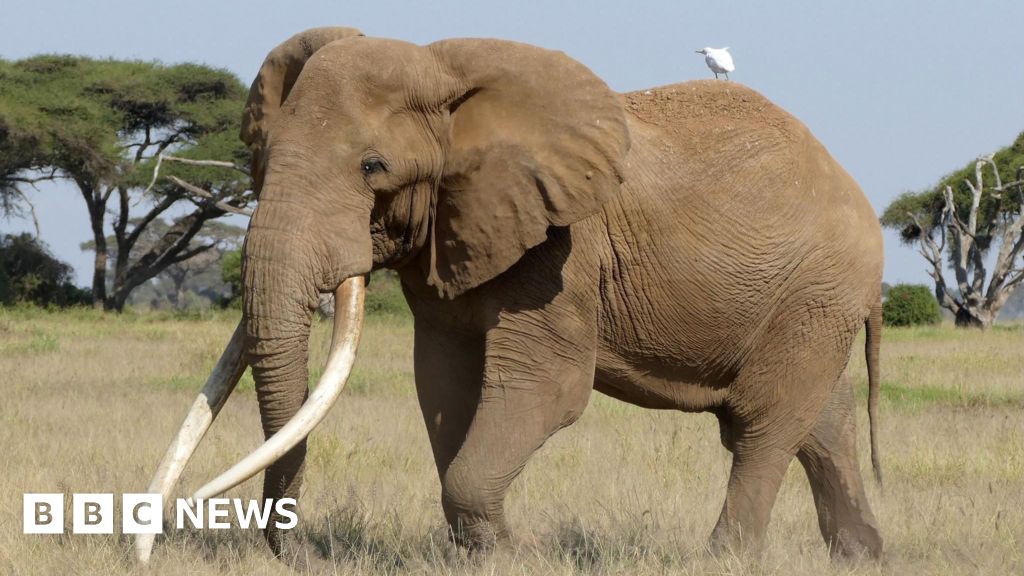
Craig’s passing resonates deeply, not just within the conservation community but also among general readers and news consumers who followed his remarkable life. His calm demeanor and impressive tusks made him a major attraction, embodying the allure of African wildlife that draws millions of tourists.
Known for tusks weighing over 45kg each, Craig was confirmed to have died on Saturday morning. His lifespan of 54 years far exceeds that of many elephants facing threats, highlighting the success of dedicated conservation.
This event prompts a look into the broader implications for wildlife tourism and the ongoing challenges of protecting such magnificent animals, relevant to global breaking news today.
Detailed Analysis
Craig’s story is intertwined with the vibrant history of African elephant conservation. He lived a life that many wild elephants do not, reaching an advanced age and dying naturally, a testament to decades of tireless work by organizations like the Amboseli Trust for Elephants and the Kenya Wildlife Service. His existence, characterized by immense tusks that qualified him as a ‘super tusker,’ placed him in a rare class of bull elephants whose numbers have dwindled drastically across the continent. Such individuals are not merely large animals; they are genetic reservoirs and living monuments that attract vital tourism revenue, reinforcing the economic incentives for robust conservation policies.
The specific details of Craig’s life underscore his unique status. Turning 54 years old, he had lived a significantly long life, likely fathering numerous calves and contributing substantially to the elephant population within Amboseli National Park. His tusks, each weighing over 45kg, made him a truly magnificent specimen, captivating visitors near the Tanzanian border. Beyond his physical grandeur, Craig earned affection for his remarkably calm nature, patiently allowing visitors to photograph and film him. This gentle giant’s role extended even to branding, serving as an ambassador for the popular Kenyan lager Tusker, a name aptly derived from male elephants with prominent tusks. His death of natural causes on a Saturday morning in the park signifies a victory in a region often battling poaching and habitat loss.
Comparing Craig to other super tuskers reveals his extraordinary significance. The Kenya Wildlife Service notes that fewer than a handful of these magnificent creatures, whose tusks exceed 45kg each, remain today. This scarcity makes Craig’s long, protected life an even more crucial success story. Furthermore, the economic impact of wildlife tourism in Kenya provides a direct link between conservation success and national prosperity. With more than two million tourists visiting Kenya last year, and the sector accounting for 10% of national GDP, iconic animals like Craig are indispensable assets. Their presence directly supports livelihoods and fosters an appreciation for natural heritage, highlighting the delicate balance between ecological preservation and economic development in current affairs.
For general readers and news consumers, Craig’s peaceful passing serves as a poignant reminder of both the successes and ongoing fragility of wildlife conservation. His natural death underscores the effectiveness of dedicated protection efforts in allowing these magnificent animals to thrive. The implications extend beyond biodiversity; it highlights the critical role iconic species play in sustaining national economies through tourism and fostering global awareness. Moving forward, stakeholders should monitor conservation funding, anti-poaching initiatives, and habitat protection measures. Craig’s legacy as a calm, majestic ‘super tusker’ and ‘beer ambassador’ will undoubtedly inspire continued efforts to safeguard Africa’s precious wildlife for generations to come, ensuring similar positive outcomes in the future.
About the Author