Key Takeaways
Quebec’s Lake Rouge vanished, highlighting critical climate risks & infrastructure vulnerability. Analyze investment implications, ESG factors, and future market trends for 2026.
Overview
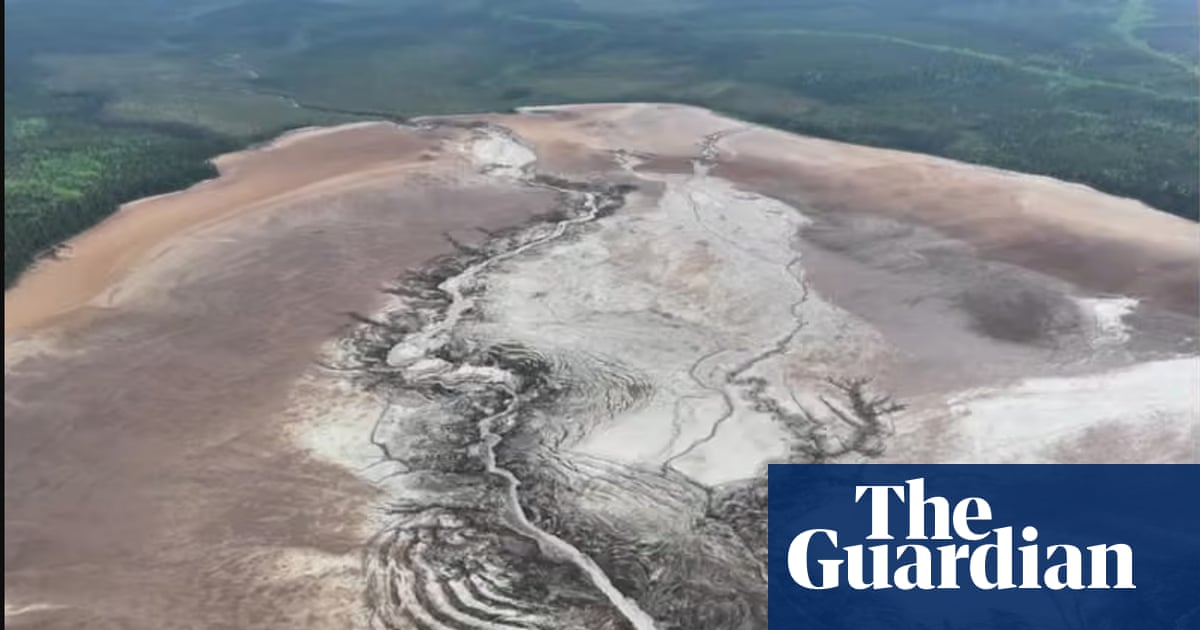
The abrupt disappearance of Quebec’s Lake Rouge, a 3 sq km body of water, represents a critical case study in escalating environmental vulnerabilities with significant implications for global Climate Risk Investment. While initially perplexing, this unique outburst flood, typically seen in glacial or man-made dam contexts, signals broader systemic risks.
For retail investors, swing traders, long-term investors, and finance professionals, such events underscore the growing financial exposure to climate-induced geological shifts. The incident prompts a reassessment of asset valuations, insurance liabilities, and the stability of infrastructure in susceptible regions, influencing broader investment strategies in markets worldwide.
Key data highlights include the lake’s 3 sq km area, water traveling 10km overland, and two major wildfires in the last six years, one in 2023 burning an area the size of mainland Denmark. This drastically altered regional hydrology, with 6-7 feet of snow now melting in one month, compared to three previously.
This analysis delves into how environmental degradation, whether natural or human-exacerbated, translates into tangible financial risk, shaping investment decisions and the long-term outlook for resource-dependent sectors and infrastructure development.
Detailed Analysis
The vanishing of Lake Rouge transcends a mere natural curiosity, evolving into a potent symbol of unquantified and escalating environmental risk that demands serious consideration within financial analysis frameworks. Historically, the stability of natural landscapes was often a given, but a convergence of geological predispositions—Lake Rouge’s elevated position and soft, weak banks—with extreme climatic events and human land management practices has created a precarious new normal. This incident, classified by some experts as an unprecedented outburst flood from a natural, non-glacial lake, suggests a paradigm shift in how environmental factors can rapidly and unexpectedly impact physical assets, directly influencing investor sentiment and risk models.
Detailed examination of the Lake Rouge event reveals critical metrics for risk assessment. Two rounds of intense wildfires, including a 2023 blaze consuming an area the size of mainland Denmark, denuded the surrounding forests. According to the Quebec Cree forestry department, this removal of mature vegetation around the inflowing lakes and rivers directly contributing to Lake Rouge significantly altered the hydrological balance. Further exacerbating the situation, decades of heavy logging in northern Quebec, including salvage operations post-wildfire, have compounded the vulnerability. Local elder Paul Dixon noted a dramatic shift from three-month snowmelt periods to just one month for 6-7 feet of snow, akin to ‘putting a block of ice in a microwave oven.’ This accelerated melt, combined with weakened banks due to lack of forest cover and increased groundwater saturation from reduced absorption, created a high-pressure environment for the lake’s banks to fail. The Quebec government’s conclusion of a natural cause contrasts with scientific opinions, exposing potential regulatory blind spots relevant to investment due diligence.
The Lake Rouge incident is not isolated, echoing a growing pattern of climate-induced geological instability globally. Comparatively, examples from western Canada, such as the town of Quesnel experiencing several centimeters of annual sliding towards the Fraser River due to increased groundwater, or a 2024 landslide on the Chilcotin River creating an 11km-long impromptu lake, underscore this trend. While these events also spark debates about natural versus human causes, the common thread is accelerated land instability in regions with compromised tree cover. For investors assessing global portfolios, including positions on the NSE or BSE in companies with international operations or exposure to global supply chains, understanding these systemic environmental risks is paramount. These events escalate risks for property insurers, infrastructure developers, and resource extraction companies, potentially leading to increased capital expenditure for mitigation or higher operational costs.
For Retail Investors, Swing Traders, Long-term Investors, and Finance Professionals, the Lake Rouge saga signals several crucial takeaways. Increased frequency of such ‘natural’ disasters could lead to higher insurance premiums and re-evaluation of land values in vulnerable regions. Conversely, opportunities may emerge in sectors focused on climate resilience, sustainable forestry, advanced water management systems, and environmental engineering. Investors should closely monitor companies’ ESG disclosures, particularly regarding land use and climate adaptation strategies, as regulatory environments evolve. The debate over human versus natural causes also highlights regulatory arbitrage risk; governments classifying events as natural may absolve industries of direct responsibility, but the financial burden on communities and infrastructure remains. Watch for policy shifts in resource management and infrastructure investment in 2026, as these could create significant market shifts and opportunities for discerning investors.
About the Author