Key Takeaways
China pledges to control steel output from 2026-2030. Understand the implications for global markets, commodity prices, and environmental targets.
Overview
China has made a significant pledge to actively control its national steel output during the 2026-2030 period. This development, while lacking immediate specific numerical targets, signals a pivotal shift in the world’s largest steel-producing nation’s industrial strategy and has broad implications for global markets and environmental goals.
For general readers and news consumers, this commitment underscores a potential recalibration of global commodity supply chains and could influence everything from construction costs in India to broader environmental sustainability efforts worldwide. It reflects China’s ongoing efforts to balance economic growth with environmental responsibilities.
While the specific details regarding the methodology or exact reduction percentages were not disclosed in the initial announcement, the timeframe of 2026-2030 highlights a medium-to-long term strategic vision.
This pledge for China steel output control merits closer examination to understand its potential ripple effects across various sectors and geographies, particularly as nations like India continue their own infrastructure development.
Detailed Analysis
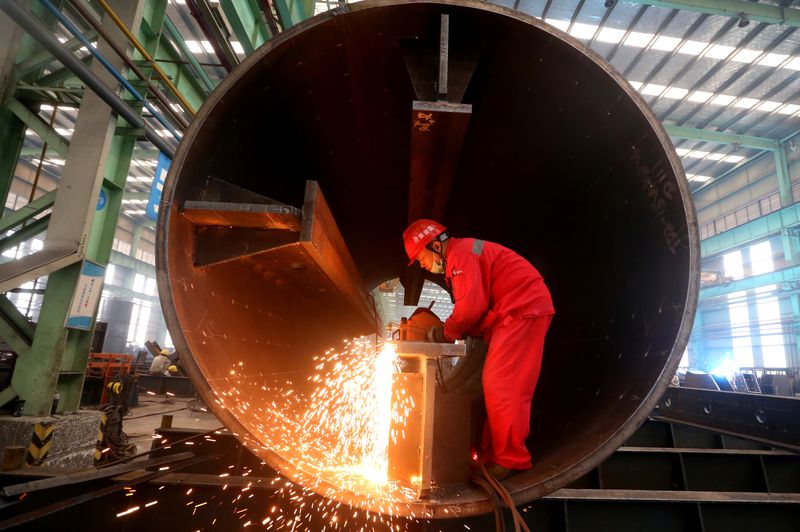
China’s latest pledge to control its steel output during the 2026-2030 period marks a crucial juncture for global industry and environmental policy. As the undisputed global leader in steel production, China’s industrial decisions resonate far beyond its borders, influencing everything from raw material prices to carbon emission targets. Historically, China’s burgeoning economy fueled an unprecedented expansion of its steel sector, transforming it into a cornerstone of its manufacturing prowess and infrastructure development. However, this growth came with significant environmental costs, including substantial carbon emissions and local pollution, prompting increasing domestic and international pressure for change. Previous efforts to curb output were often met with economic considerations, illustrating the intricate balance Beijing faces between maintaining economic stability and pursuing green development. This new five-year timeframe suggests a more structured and sustained approach to managing one of its most vital heavy industries, moving beyond ad-hoc measures towards a long-term strategic shift.
The announcement itself, focusing on the principle of ‘control’ rather than specific reduction targets, leaves room for flexibility but unequivocally signals intent. Observers will be keen to understand the mechanisms China intends to employ. Will this involve capping total production, mandating efficiency upgrades, or accelerating the retirement of older, less efficient mills? Without specific metrics, the immediate impact remains speculative, but the very existence of such a pledge introduces a new variable into the global steel market. A tighter supply from China, which accounts for over half of the world’s steel, could lead to increased global steel prices. This would naturally affect sectors heavily reliant on steel, such as automotive manufacturing, construction, and infrastructure projects across the globe, including significant initiatives in India. Furthermore, this policy could incentivize other steel-producing nations to ramp up their own output, potentially shifting market dynamics and competitive landscapes in the medium term. The emphasis on ‘control’ also implies a qualitative shift, prioritizing higher-value, lower-emission steel production over sheer volume, aligning with broader global sustainability trends.
From a comparative standpoint, China’s move could offer a unique opportunity for other steel-producing economies. Nations like India, for instance, with their own ambitious infrastructure development plans and growing domestic demand, might see an altered competitive environment. While a reduction in Chinese exports could create market gaps for other players, it also carries the risk of higher input costs if raw materials, already influenced by Chinese demand, become more volatile. This pledge also aligns with a global trend among major economies to pursue cleaner industrial practices and fulfill climate commitments, suggesting a coordinated international effort may be emerging, even if implicitly. The policy’s success will be measured not just in tonnage but also in its contribution to China’s overall carbon neutrality goals, positioning it as a key component of its broader environmental strategy. [Suggested Line Graph: Annual global steel production trends from 2010-2030, highlighting China’s share and projected changes post-2026, comparing to India and EU output trends.]
For general readers and news consumers, the China steel output control pledge translates into several key takeaways. Firstly, it highlights the interconnectedness of global economies and commodity markets; decisions in one major industrial power can ripple across continents, affecting local economies and household budgets. Secondly, it reinforces the growing importance of environmental considerations in industrial policy, moving towards a future where economic activity is increasingly scrutinized for its ecological footprint. Consumers might eventually see price adjustments in goods that use steel, but potentially also a cleaner global environment. Going forward, the critical developments to monitor will be any specific policy announcements from Beijing detailing how this control will be implemented, official production data from 2026 onwards, and the reactions of global steel markets and major consuming industries. This pledge is not just an industrial policy shift; it is a signal of China’s evolving role in shaping global economic and environmental current affairs for years to come.
About the Author