Key Takeaways
Celtic Football Club faces governance issues despite holding £80M cash. This analysis details management blunders, strategy gaps, and investor implications.
Overview
Recent events surrounding Celtic Football Club highlight significant corporate governance and strategic alignment challenges, prompting a critical examination through an investor’s lens. Despite holding close to £80 million in cash reserves, the club faces mounting criticism for a perceived lack of ambition, operational blunders, and profound stakeholder disconnection.
For retail investors and finance professionals, these issues resonate beyond sport, reflecting potential risks in capital allocation and management oversight. A lack of clear vision, coupled with frequent leadership changes, can erode long-term intrinsic value, regardless of immediate financial liquidity.
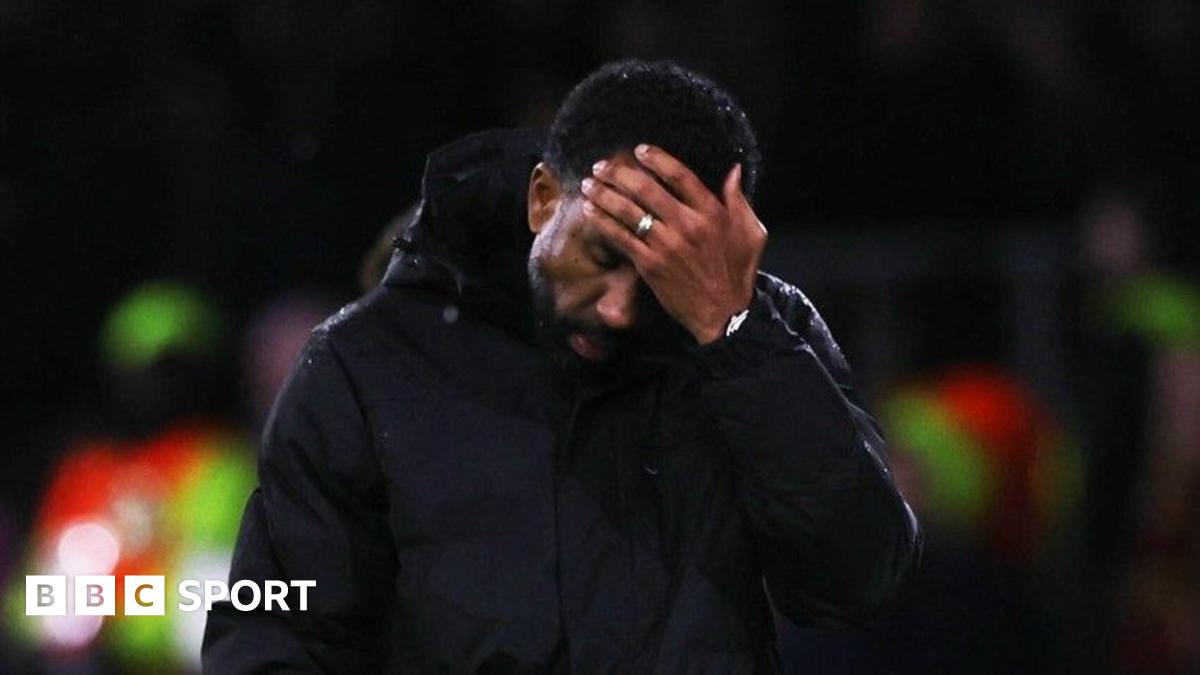
Since Hogmanay, Celtic has seen a manager, a head of football operations, and a chairman depart. This management instability, alongside a reported £80 million in the bank, signals a complex operational environment.
Our analysis will delve into the implications of these strategic missteps, assessing the impact on potential valuation, management accountability, and future growth prospects for entities exhibiting similar financial and governance structures.
Detailed Analysis
The operational challenges at Celtic Football Club, encapsulated by the “Nancy blunder” and perceived “blurred vision,” offer a pertinent case study in corporate governance and strategic execution for financial analysts. Despite possessing substantial cash reserves, reportedly close to £80 million, the club’s management has faced significant criticism for strategic drift and a noticeable disconnect with its stakeholder base, mirroring issues observed in publicly traded corporations. The frequent turnover in senior leadership—a manager, head of football operations, and chairman all departing since Hogmanay—signals an underlying instability. Such executive volatility often raises concerns regarding the continuity and effectiveness of long-term strategic planning, directly impacting investor confidence in any equivalent public entity’s ability to create and sustain value.
A deeper analytical dive uncovers several critical issues pertinent to financial evaluation. The management’s “fatal impression” of having ample time and deserving patience, alongside an overemphasis on “process” rather than performance, indicates a form of strategic complacency. This posture, particularly from figures like Chief Executive Michael Nicholson and major shareholder Dermot Desmond, suggests a governance structure potentially unresponsive to dynamic market demands. The club’s limited strategic ambition, focused merely on outperforming a single rival, fails to leverage its £80 million liquidity for broader growth initiatives. Missed opportunities, such as not expanding the stadium, creating a significant museum, or implementing advanced scouting systems, represent failures in strategic capital expenditure. These investments, common in high-growth companies, are crucial for long-term asset development and competitive advantage. Furthermore, the documented “callousness” surrounding key personnel departures underscores a problematic approach to human capital management, a factor increasingly weighed in ESG (Environmental, Social, Governance) assessments for sustainable performance.
Celtic’s situation can be juxtaposed with mature companies in competitive markets that prioritize short-term stability over transformative growth. The decision to “bob along, cash-rich and content with bossing it parochially,” rather than deploying £80 million for strategic innovation or market leadership, reflects a conservative capital allocation strategy that could lead to stagnation. This contrasts sharply with growth-focused enterprises that continuously reinvest in R&D, market expansion, or talent acquisition to reinforce their competitive moat. The rising threat from entities like Hearts, backed by strategic investors such as Tony Bloom and the analytical capabilities of Jamestown Analytics, exemplifies how agile competitors can disrupt established market positions. This dynamic mirrors the entry of innovative startups challenging incumbents through data-driven strategies and efficient resource deployment, necessitating a robust, forward-looking strategic response from established players to prevent market share erosion and long-term value decline. Such competitive pressures demand a strategic pivot often absent in complacent organizations.
For retail investors, swing traders, long-term investors, and finance professionals, Celtic’s current state serves as a compelling reminder that strong balance sheet liquidity alone does not guarantee robust investment performance. The absence of a clear, ambitious growth strategy, coupled with evident management instability and communication gaps, signals substantial governance-related risks. Key indicators to monitor moving forward include any significant changes in executive leadership, clear articulation of capital deployment strategies for the £80 million cash reserve, and tangible plans for competitive differentiation. Investors should also scrutinize the club’s response to emerging competitive threats. Without a proactive strategic realignment and strengthened governance framework, the current trajectory suggests a potential for continued underperformance relative to its inherent financial capabilities, thereby limiting its appeal for those seeking long-term value appreciation within a sports enterprise context.
About the Author