Key Takeaways
Castrol India shareholders face a 26% open offer at Rs 194.04/share from CPPIB, Stonepeak. Analyze implications for investment and market strategy.
Overview
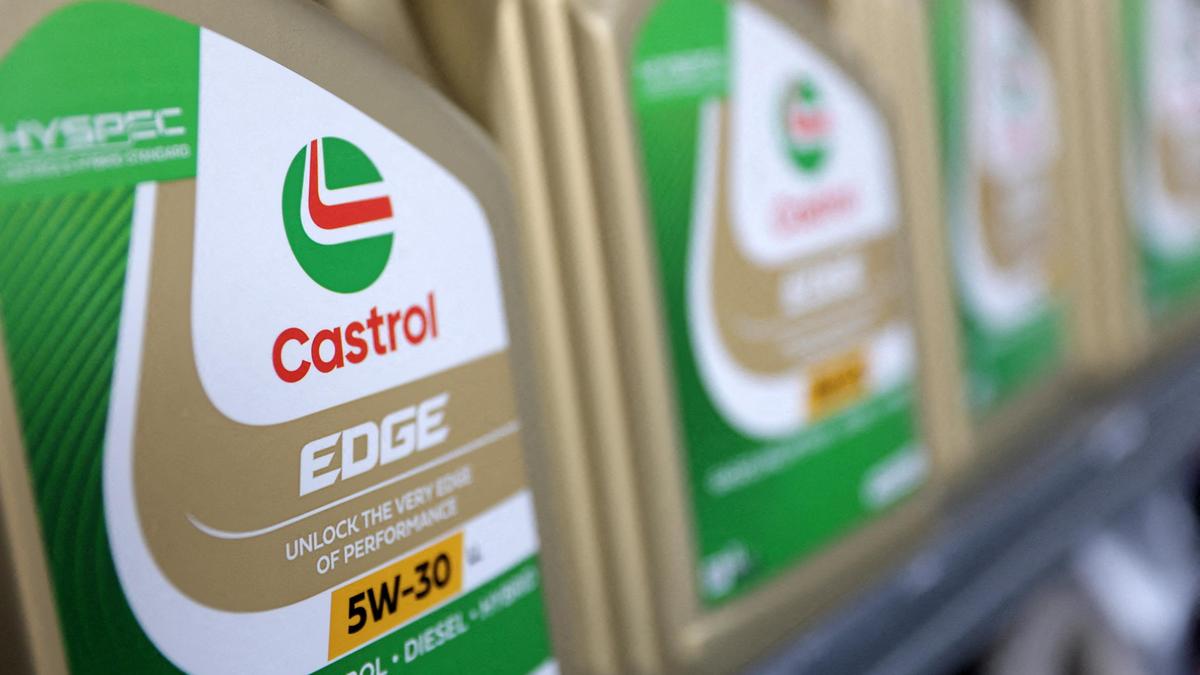
In a significant development for the Indian Stock Market, Canada Pension Plan Investment Board (CPPIB) and US private equity firm Stonepeak are set to launch an open offer to acquire an additional 26% stake in Castrol India. This strategic move follows their earlier agreement with parent BP to take over a controlling interest in the global Castrol lubricants business, setting the stage for a new ownership paradigm for the Indian unit.
For retail investors and swing traders, this open offer presents a crucial opportunity to tender shares at a premium, potentially realizing short-term gains. Long-term investors and finance professionals will closely analyze the implications of this ownership transition on Castrol India’s operational strategy, market positioning, and future valuation within the competitive lubricants sector.
The open offer is priced at Rs 194.04 per share, representing a 2.5% premium over Wednesday’s closing price of Rs 191.40 on the BSE. This translates to a total consideration of up to Rs 4,990 crore for 25.71 crore equity shares, making it a substantial transaction in the current financial landscape.
This detailed financial analysis will explore the strategic rationale behind BP’s divestment, the mandatory nature of the open offer under SEBI regulations, and the comprehensive short-term, medium-term, and long-term implications for Castrol India and its diverse investor base.
Key Data
| Metric | Value (Pre-Offer/Context) | Value (Open Offer) | Impact/Change |
|---|---|---|---|
| Castrol India Share Price (Wednesday Close) | Rs 191.40 | N/A | Reference Point |
| Open Offer Price per Share | N/A | Rs 194.04 | 2.5% Premium |
| Total Equity Shares in Offer | N/A | 25.71 crore (257,171,820) | 26% of Equity Capital |
| Total Consideration for Offer | N/A | Rs 4,990 crore | Value of 26% Stake |
Detailed Analysis
The open offer for Castrol India’s shares by CPPIB and Stonepeak emerges from a broader, strategic shift within the global energy sector, particularly among established oil and gas majors like BP. Over the past few years, there has been a discernible trend where these companies re-evaluate their portfolios, divesting from non-core or capital-intensive assets to streamline operations, enhance financial resilience, and pivot towards more sustainable or high-growth segments. BP’s decision to sell a 65% stake in its global Castrol lubricants business to Stonepeak for approximately USD 6 billion, valuing the unit at USD 10.1 billion including debt, is a clear manifestation of this strategy. CPPIB’s investment of up to USD 1.05 billion for an indirect stake underscores the institutional appetite for established brands with strong market positions, especially in developing economies like India. This global transaction inherently necessitated the open offer in India, as BP’s Castrol Ltd entity holds a 51% equity share capital in Castrol India, triggering mandatory SEBI takeover regulations when control shifts. The move indicates a significant realignment for Castrol India, transitioning from a direct subsidiary of a global energy giant to a strategic asset under the stewardship of prominent private equity and pension funds.
Delving into the specifics, the open offer targets 25.71 crore equity shares, equating to a 26% stake in Castrol India, at a price of Rs 194.04 per share. This offer price represents a 2.5% premium over Castrol India’s closing price of Rs 191.40 on Wednesday, December 24, 2025. The total consideration for this tranche is anticipated to reach up to Rs 4,990 crore. This financial detail is critical for public shareholders contemplating tendering their shares. Under SEBI’s rigorous takeover regulations, an acquisition of 25% or more in a listed company mandates a public open offer for an additional minimum of 26% from public shareholders, ensuring minority shareholders have an equitable exit opportunity. This regulatory safeguard is vital for market integrity and investor confidence in India’s dynamic stock market. Should the open offer be fully subscribed, the combined ownership of CPPIB and Stonepeak in Castrol India would consolidate to 77% (51% already acquired indirectly plus the 26% from the open offer). This significant majority stake grants the new owners substantial control over the company’s future strategic direction, operational policies, and capital allocation decisions. BP’s broader divestment program aims to generate USD 20 billion through 2027, primarily to strengthen its balance sheet and enhance its focus on core downstream businesses, while still retaining a 35% stake in the global Castrol entity to capture future value.
Comparing this transaction with broader market trends reveals a robust environment for M&A activity in the Indian market, attracting significant foreign institutional investment. The entry of global private equity players like Stonepeak and pension funds such as CPPIB into established Indian listed entities often signals confidence in India’s long-term economic growth trajectory and the potential for operational efficiencies and value creation under new management. While the source content does not provide specific peer comparison data for Castrol India, the lubricants sector in India is competitive, with both domestic and international players. An ownership change of this magnitude can significantly alter competitive dynamics, potentially leading to increased market share aggressive strategies or new product innovations under the new financial stewardship. The mandatory open offer mechanism, as stipulated by SEBI, serves as a crucial investor protection mechanism, differentiating the Indian regulatory environment from some other global markets. It ensures that public shareholders are not left disadvantaged by large-scale corporate control shifts, providing a transparent and fair pathway for divestment at a price that reflects the value of control. The strategic divestment by BP aligns with global energy majors’ broader shifts towards de-carbonization and portfolio optimization, positioning itself for a changing energy landscape. This move could set a precedent for similar re-evaluations by other multinational corporations with diversified portfolios in India.
For Retail Investors and Swing Traders, the immediate focus lies on the open offer price of Rs 194.04. Tendering shares provides a clear opportunity to exit at a premium, locking in a 2.5% gain over Wednesday’s closing price. This is particularly attractive for those who acquired shares at lower levels. However, investors must weigh this immediate gain against potential future growth under the new ownership. Post-offer, if the public float significantly reduces, liquidity in Castrol India shares on the NSE and BSE could decline, potentially impacting future trading flexibility. Long-term Investors need to critically assess the implications of a 77% ownership by private equity and pension funds. While such owners often bring significant capital, operational expertise, and a sharp focus on profitability, they may also implement strategies that prioritize long-term value creation or eventual exit, which could include delisting (though 77% is below the 90% threshold for compulsory delisting). This could affect dividend policies, share buybacks, and overall corporate governance in the long run. Finance Professionals will view this as a significant case study in M&A valuation, regulatory compliance, and the strategic repositioning of legacy brands within an evolving global business context. They should monitor Castrol India’s financial performance under the new management, any subsequent strategic announcements, and the broader M&A pipeline in the Indian specialty chemicals and lubricants sector. This transaction underscores the continued attractiveness of Indian equities for global institutional capital, signaling confidence in the underlying strength and growth potential of well-established Indian businesses. Investors should closely track the offer’s timeline and any related regulatory filings to make informed decisions for their investment and trading strategies.
About the Author