Key Takeaways
Multiple blasts rocked Caracas, Venezuela, prompting panic and power outages. Explore the escalating US-Venezuela tensions and regional implications.
Overview
In a startling development that has rattled the region, at least seven loud explosions rocked Venezuela’s capital, Caracas, early Saturday. These Caracas explosions plunged parts of the city into darkness, sparking widespread panic among residents.
The incident unfolds amidst escalating geopolitical tensions between Venezuela and the United States, raising immediate concerns about regional stability and international relations.
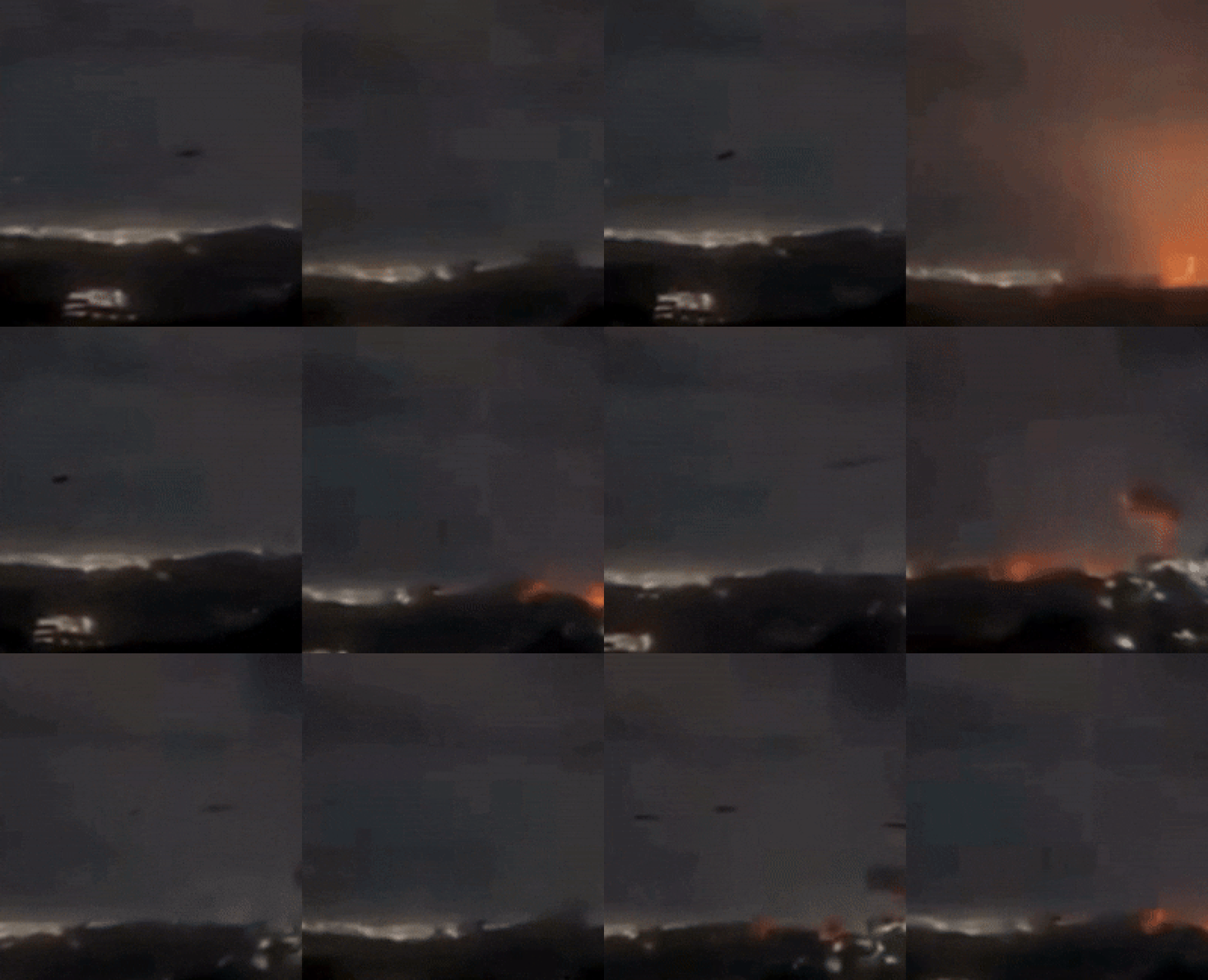
Reports confirmed the blasts occurred around 2:00 AM local time, accompanied by air sirens and sightings of low-flying aircraft over the city.
This article provides balanced news analysis, examining the short-term impacts and broader implications for current affairs.
Detailed Analysis
The recent eruption of explosions in Caracas serves as a potent flashpoint in the protracted and often fraught relationship between Venezuela and the United States, casting a fresh shadow over the already volatile Latin American geopolitical landscape. For years, Venezuela has been a nation gripped by internal political turmoil, economic hardship, and profound external pressure, notably from Washington. This latest incident, unfolding in the tranquil early hours of a Saturday, immediately commanded global attention, drawing immediate parallels to the delicate balance of power and persistent tensions in the region. The broader context includes the US Department of State’s significant decision in March 2019 to entirely withdraw its diplomatic personnel from its Caracas embassy, concurrently suspending all consular operations. This move unequivocally signaled a drastic deterioration in bilateral relations, leaving American citizens in Venezuela without direct consular assistance for emergencies.
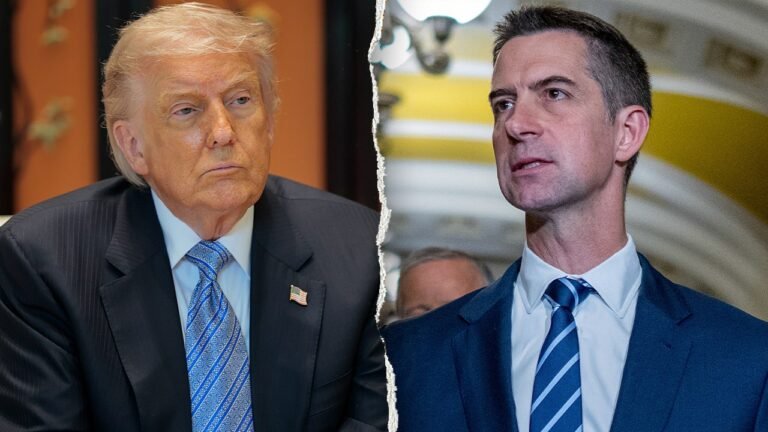
Adding to this complex scenario, US President Donald Trump recently intensified his administration’s stance by deploying a robust naval task force to the Caribbean. This strategic military maneuver was accompanied by explicit public statements from the President, openly acknowledging the possibility of initiating ground strikes against Venezuela. Such declarations elevate the rhetoric surrounding Venezuela from diplomatic pressure to potential military engagement, a development keenly watched by international observers. Concurrently, the US military has escalated its operations in the Caribbean, focusing intently on interdicting what it describes as drug-smuggling boats. These actions, framed as part of a broader “war on drugs,” have been a consistent point of contention between the two nations, with Venezuela frequently accusing the US of using such campaigns as a pretext for intervention and regime change. The Caracas explosions, therefore, are not an isolated event but rather a dramatic manifestation within a deeply embedded narrative of confrontation and suspicion.
The immediate and profound impact of the Caracas explosions on the Venezuelan capital resonated through its diverse neighborhoods, triggering widespread alarm and physical disruption. Reports from multiple credible sources confirmed the occurrence of at least seven distinct and powerful explosions, a cacophony that pierced the pre-dawn quiet. CNN correspondent Osmary Hernández vividly described the intensity, noting that the force of one blast was significant enough to cause her window to shake, underscoring the severity of the event. Compounding the auditory shock, residents reported the disconcerting sight of low-flying aircraft traversing the city’s skies and the ominous wail of air sirens, amplifying the sense of an unfolding crisis. The swift emergence of videos across social media platforms offered immediate, if fragmented, visual confirmation of the chaos, capturing the public’s palpable panic.
Furthermore, concrete observations from sources like Reuters indicated visible plumes of smoke emanating from the southern sector of Caracas, particularly in the vicinity of a major military base. This detail immediately fueled speculation and concern regarding the potential targets or origins of the blasts. Crucially, a wide array of neighborhoods across Caracas found themselves plunged into darkness as power outages became rampant, further disorienting residents and adding to the already heightened state of fear and confusion. The absence of electricity in many areas disrupted essential services and communications, leaving citizens feeling vulnerable and isolated. This unfolding drama cannot be disconnected from recent public statements by President Trump, who had earlier spoken of a “major explosion” on a Venezuelan dock area. He explicitly linked this incident to US efforts in the “war on drugs,” claiming a CIA drone strike was responsible for hitting boats allegedly involved in narcotics trafficking. The proximity of these two narratives – the actual Caracas blasts and the US President’s claims of targeted strikes – adds a layer of complexity and potential direct linkage that requires careful consideration in today’s volatile global news environment.
The current events in Caracas take on heightened significance when placed in direct comparative context with the ongoing military operations led by the United States in the broader Caribbean region. For several months, the US military has demonstrably intensified its efforts against suspected drug-smuggling vessels across both the Caribbean and the eastern Pacific. Official US statements indicate a substantial scale to these operations: since September, American forces have reportedly executed more than 30 strikes on boats believed to be involved in illicit narcotics trafficking. These actions, as detailed by US officials, have tragically resulted in a considerable loss of life, with over 110 deaths recorded. The latest such reported attack, occurring just days prior to the Caracas explosions, claimed the lives of five individuals aboard two boats, according to the US military.
This aggressive interdiction campaign forms a critical backdrop to the current situation. President Trump has repeatedly and publicly linked Venezuelan President Nicolás Maduro’s administration to these alleged drug flows, accusing him of allowing the country to be a conduit for narcotics reaching the US. Maduro, in turn, has vociferously rejected these accusations, dismissing the US “war on drugs” as a thinly veiled pretext for Washington to intervene in Venezuela’s internal affairs and assert control over its vast oil reserves. Despite these deep-seated antagonisms, Maduro surprisingly expressed an openness to engage in negotiations with the United States on various critical issues, including drug trafficking, oil, and migration, signaling a potential, albeit cautious, diplomatic avenue. This offer, aired in a pre-recorded interview, indicates a complex interplay of confrontation and potential dialogue. Simultaneously, the US Embassy in Bogotá acted decisively by issuing a severe Level 4 “Do Not Travel” advisory for Venezuela, the highest warning level. This advisory explicitly cautions US citizens about severe risks such including wrongful detention, torture, terrorism, kidnapping, crime, civil unrest, and a severely degraded health infrastructure. It unequivocally urges Americans currently within Venezuela to “shelter in place” and depart the country “as soon as it is safe to do so,” starkly illustrating the perceived dangers and the profound lack of US consular support.
For general readers and news consumers tracking global current affairs, the recent events in Venezuela signal a profound and potentially escalating geopolitical crisis. The immediate impacts on ordinary citizens in Caracas—experiencing widespread panic, fear, and disruptive power outages—underscore the human cost of such instability. These events highlight the urgent need for clarity and resolution in a region already grappling with significant challenges. The unequivocal travel advisory issued by the US Embassy, urging American citizens to leave Venezuela due to severe risks including wrongful detention and civil unrest, serves as a critical warning. This advisory not only outlines the dangers for foreign nationals but also speaks volumes about the deteriorating internal conditions and the breakdown of basic security and services within Venezuela. Understanding these implications is vital for anyone considering travel or with interests in Latin American political dynamics.
Looking ahead, the situation necessitates close monitoring of several key developments. The response from the Venezuelan government to these blasts will be crucial, as will any further official statements from the US administration regarding its ongoing operations in the Caribbean. The delicate balance between President Maduro’s expressed willingness for dialogue and President Trump’s aggressive rhetoric concerning the “war on drugs” and potential military action will dictate the trajectory of this evolving crisis. The international community, including India, will be watching closely for any shifts in diplomatic engagement or further escalations of military activity. These events are not merely isolated incidents but rather interwoven threads in a larger tapestry of regional and international tensions, demanding careful attention to both immediate developments and their broader, long-term implications for global stability and the future of US-Venezuela relations.
About the Author