Key Takeaways
BPL coach Khaled Mahmud dramatically walked out of training over equipment issues. Dive into the controversy, team impact, and BPL 2025 implications for Cricket fans.
Overview
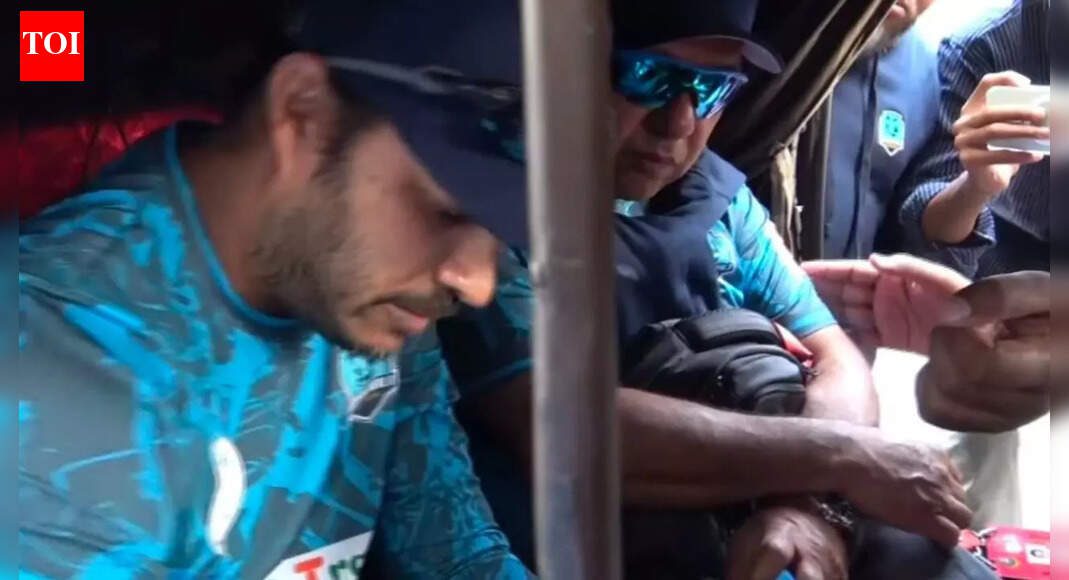
A seismic shock has hit the Cricket world just as the 12th edition of the Bangladesh Premier League (BPL) prepares for its grand opening! The sensational BPL Coach Walkout by former Bangladesh captain and Noakhali Express head coach, Khaled Mahmud, dramatically walking out of a crucial training session on Thursday, has sent immediate ripples across the entire Sports India landscape. This unprecedented incident has ignited intense debate among sports enthusiasts and analysts.
For Sports Fans and Cricket Enthusiasts, Mahmud’s abrupt departure raises serious questions about team morale, organizational professionalism, and the very foundation of the BPL ahead of its highly anticipated kickoff. It’s a stark reminder of the immense pressures and logistical hurdles faced even by seasoned coaching staff.
The core issue? A critical lack of proper equipment, specifically “not enough cricket balls,” coupled with an alleged “misbehaved” exchange with the team owner. Mahmud’s definitive declaration: “I will not do the BPL under any circumstances.”
While Mahmud and his pace bowling coach, Talha, later returned, this episode casts a long shadow. Sports Analysts will be scrutinizing the Noakhali Express’s cohesion and performance, looking for any lingering impact as the tournament ignites.
Detailed Analysis
The Bangladesh Premier League (BPL), usually a crucible of exhilarating Twenty20 Cricket action and a vibrant showcase for talent across South Asia, finds itself precariously balanced on the edge of its 12th edition, shadowed by an unprecedented controversy. Just hours before the first ball was to be bowled, the beloved and respected figure of Khaled Mahmud, a former Bangladesh captain and the current head coach of the Noakhali Express, staged a dramatic walkout from his team’s vital training session. This wasn’t merely a fleeting moment of frustration; it was a deeply symbolic act, echoing Mahmud’s own sentiment: “Never seen this in the BPL.” His frustration, palpable and public, originated at the Sylhet International Cricket Stadium on Thursday, shaking the very foundations of anticipation for Sports Fans and Cricket Enthusiasts.
This incident transcends the usual pre-tournament jitters or minor disagreements. It spotlights potential systemic vulnerabilities within the BPL’s operational framework, hinting at issues far beyond a single team’s misfortune. Mahmud’s declaration speaks volumes, suggesting a profound disillusionment with a system he has been integral to for years. For Sports India, where cricket is not just a game but a national obsession, such a public display of disarray from a high-profile coach so close to a major tournament’s launch demands immediate attention. It raises questions about the administrative support structures intended to underpin professional cricket and ensure a seamless, world-class spectacle for fans and players alike. The weight of expectations on teams in a league as competitive as the BPL is immense, and any perceived lack of preparedness, especially at the coaching level, can unravel meticulously laid plans even before the first match report can be written. This early tremor could set a challenging precedent for the Noakhali Express, demanding extra resilience and leadership from within the squad to navigate what promises to be an intensely scrutinized season opener.
At the core of this escalating BPL controversy was an almost incredulous oversight: a severe, debilitating lack of basic training equipment. The pivotal complaint, resonating through the Sylhet International Cricket Stadium, was stark and simple – “not enough cricket balls” for a professional T20 squad on the eve of their biggest tournament. This fundamental scarcity, confirmed by reports, proved to be the breaking point for Khaled Mahmud and his pace bowling coach, Talha, compelling them to abandon practice around 1:30 PM. For a sport where repetition and precision are paramount, the absence of such a rudimentary resource is not just an inconvenience; it’s a direct impediment to player development and tactical preparation. Mahmud’s exasperated declaration, “I will not do the BPL under any circumstances,” followed by Talha’s equally definitive “I don’t want to work,” underscored the depth of their disillusionment and professional affront.
The situation was reportedly exacerbated by an alleged “misbehaved” exchange involving the Noakhali Express owner and Mahmud. Such a breakdown in communication and respect between franchise management and coaching staff is critically damaging, especially in the high-stakes environment of professional Cricket. It speaks to a troubling disconnect in operational foresight and an apparent disregard for the needs of key personnel. In any professional sports league, particularly in Cricket, the coach-owner relationship is the bedrock of a successful franchise. When that foundation fractures over something as basic as training equipment and communication, it sends a powerful, negative signal. This incident offers a rare, unfiltered glimpse into the behind-the-scenes struggles that can plague even major sporting events, directly impacting the players who rely on optimal conditions to perform. It becomes a critical point of concern for Cricket Enthusiasts, who expect seamless operations and professionalism from a league aiming for global prominence, and a key area for Sports Analysts to dissect when evaluating team cohesion and long-term viability.
This incident within the Noakhali Express camp offers a stark, unwelcome contrast when benchmarked against the operational standards prevalent in other premier cricketing leagues, most notably the IPL. The Indian Premier League is renowned globally for its meticulous planning, robust logistics, and seamless execution, ensuring that teams and players are equipped with every conceivable resource required for peak performance. The very notion of an IPL team, or any top-tier professional sports franchise, facing a shortage of “cricket balls” for practice is almost unthinkable. This glaring disparity in professionalism within the BPL ecosystem underscores inherent fragilities in its franchise model, a vulnerability previously hinted at when the league’s governing council had to step in and take over the Chattogram Royals to prevent “further embarrassment.” Such direct interventions point to a deeper, more systemic issue within certain BPL franchises’ readiness and management capabilities.
For Cricket Enthusiasts and international players considering future participation, incidents like this inevitably raise questions about the BPL’s overall credibility and its ability to consistently deliver a world-class experience. While the BPL offers thrilling Twenty20 Cricket, these logistical missteps can undermine its reputation on the global stage, especially when contrasted with the seamless operations of leagues like the IPL. The perceived lack of operational foresight and respect for coaching personnel, as highlighted by Mahmud’s walkout, creates a significant benchmark for future seasons. It forces Sports Analysts to scrutinize not just on-field performances but also the administrative backbone of each franchise. This incident demands that the BPL’s vetting process for franchise ownership and management be critically re-evaluated, ensuring that financial capability and a genuine commitment to professional sports standards are paramount. The long-term health and growth of the BPL within the competitive landscape of Sports India depend on addressing these foundational issues with urgency and unwavering dedication.
For fervent Sports Fans, discerning Cricket Enthusiasts, and sharp Sports Analysts, the Khaled Mahmud walkout is more than just pre-tournament drama; it’s a flashing red light signaling critical elements to closely monitor as the BPL 2025 season unfolds. While the coaches’ eventual return brought a temporary truce, the underlying issues of resource mismanagement, owner-coach relations, and basic operational integrity could subtly, yet profoundly, ripple through the Noakhali Express’s initial performances. Fans should not just watch for runs and wickets, but for subtle signs of disjointed play, communication breakdowns, or a visible lack of team cohesion, especially in high-pressure moments. The incident inherently creates a psychological burden, and how the team responds – whether it galvanizes them or creates internal friction – will be a fascinating narrative to track.
Sports Analysts, in particular, should meticulously scrutinize the Noakhali Express’s opening matches. Their performance against teams like the Chattogram Royals will offer the first tangible indicators of the walkout’s true impact. Are players appearing distracted? Is there a visible lack of strategic clarity? Are the bowlers showing signs of inadequate preparation? These are the nuances that will tell the real story beyond the scorecards. This episode serves as a powerful reminder that success in professional Cricket, or any sport, is a delicate balance. It hinges not solely on raw talent or individual brilliance, but equally on robust administrative support, an environment of mutual respect, and the fundamental provision of necessary resources. The BPL’s long-term reputation and its standing in Sports India will depend on how effectively it addresses such internal turbulences, ensuring that the focus remains squarely on the electrifying game of Cricket itself, rather than avoidable off-field controversies. This is a critical period for the Noakhali Express to demonstrate resilience and for the BPL to reinforce its commitment to professionalism.
About the Author