Key Takeaways
New documents reveal shocking details about the Bondi attack, including an alleged ‘tennis ball bomb’ and meticulous planning by gunmen. Understand the implications of this terror plot.
Market Introduction
Newly released documents offer critical insights into the tragic December 14 Bondi Beach attack. Police allege the gunmen threw four undetonated explosives, including a “tennis ball bomb,” at a Hanukkah celebration. This revelation underscores the incident’s pre-meditated and dangerous nature.
Naveed Akram, 24, faces 15 counts of murder and other charges, now in prison. His father, Sajid Akram, the second alleged attacker, died at the scene. Police documents claim the duo meticulously planned this terror attack for months, driven by “violent extremist ideology” linked to the Islamic State group.
Evidence includes a video manifesto and firearms training. Fortunately, the “tennis ball bomb” and other viable devices failed to detonate. These details provide general readers with essential context on this breaking news, influencing current affairs and public safety discussions.
In-Depth Analysis
The tragic Bondi Beach attack on December 14, initially perceived as a horrifying shooting, has gained alarming depth with newly released police documents. These revelations detail the alleged perpetrators’ intricate planning, including the deployment of multiple undetonated explosive devices like a “tennis ball bomb.” This shift in understanding from a spontaneous act to a deeply rooted terror plot carries significant implications for community safety and counter-terrorism strategies. The father-son duo, Sajid Akram and Naveed Akram, allegedly orchestrated this assault, driven by a violent extremist ideology that police link directly to the Islamic State group, underscoring the enduring threat of radicalization. This expanded context helps general readers grasp the full gravity of the incident in current affairs.
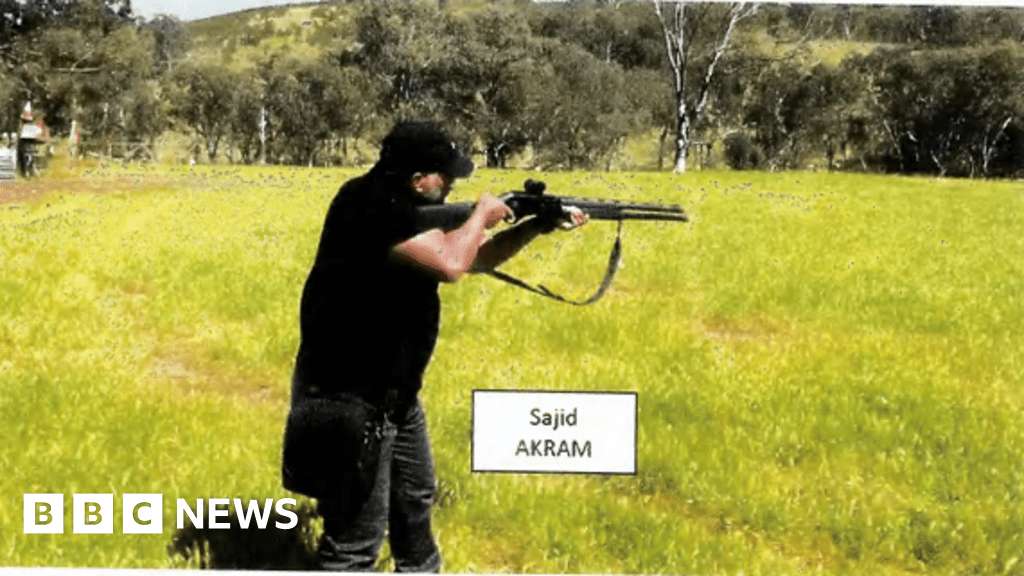
Investigators meticulously gathered evidence, including disturbing videos from Naveed Akram’s phone and extensive CCTV footage, charting months of preparation. A video manifesto, recorded in October, allegedly shows the Akrams positioned before an Islamic State flag, explicitly articulating their motives and condemning “Zionists.” Naveed Akram reportedly recited a Quranic passage, providing clear ideological grounding for their actions. Furthermore, another video allegedly captured the pair undergoing firearms training in rural New South Wales, demonstrating proficiency with shotguns and tactical movements. This collection of evidence unequivocally establishes premeditated intent and practical preparation, detailing a calculated terror plot. Police confirmed Naveed Akram faces 15 counts of murder, and his father was killed by police during the event.
The alleged execution involved thorough reconnaissance of Bondi Beach two days prior, with CCTV showing the Akrams driving and walking along the footbridge—their later attack point. Hours before the incident, they departed rented accommodation, carrying “long and bulky items wrapped in blankets.” Police allege these contained three firearms, two Islamic State flags, and homemade improvised explosive devices (IEDs), including the “tennis ball bomb” and three pipe bombs. Crucially, these devices were “viable” but failed to detonates upon being thrown as they approached the bridge. A fifth explosive device was later found in their vehicle, showcasing the extent of their destructive intentions.
For general readers, these insights provide crucial context on modern extremist plots. The alleged use of homemade, concealed explosives like a “tennis ball bomb” highlights evolving terrorist tactics designed to maximize impact and complicate detection, posing ongoing challenges for public safety. Understanding such deep ideological motivation and detailed preparation is essential for community vigilance. Monitoring ongoing legal proceedings against Naveed Akram and subsequent investigations will offer further clarity. This incident serves as a stark reminder of extremism’s persistent global threat and the critical need for intelligence and proactive security measures to safeguard public spaces in today updates.
About the Author