Key Takeaways
Grateful Dead’s Bob Weir, 78, leaves an unparalleled music legacy. Explore his iconic rhythm, cultural impact, and what his passing means for pop culture and fans.
Overview
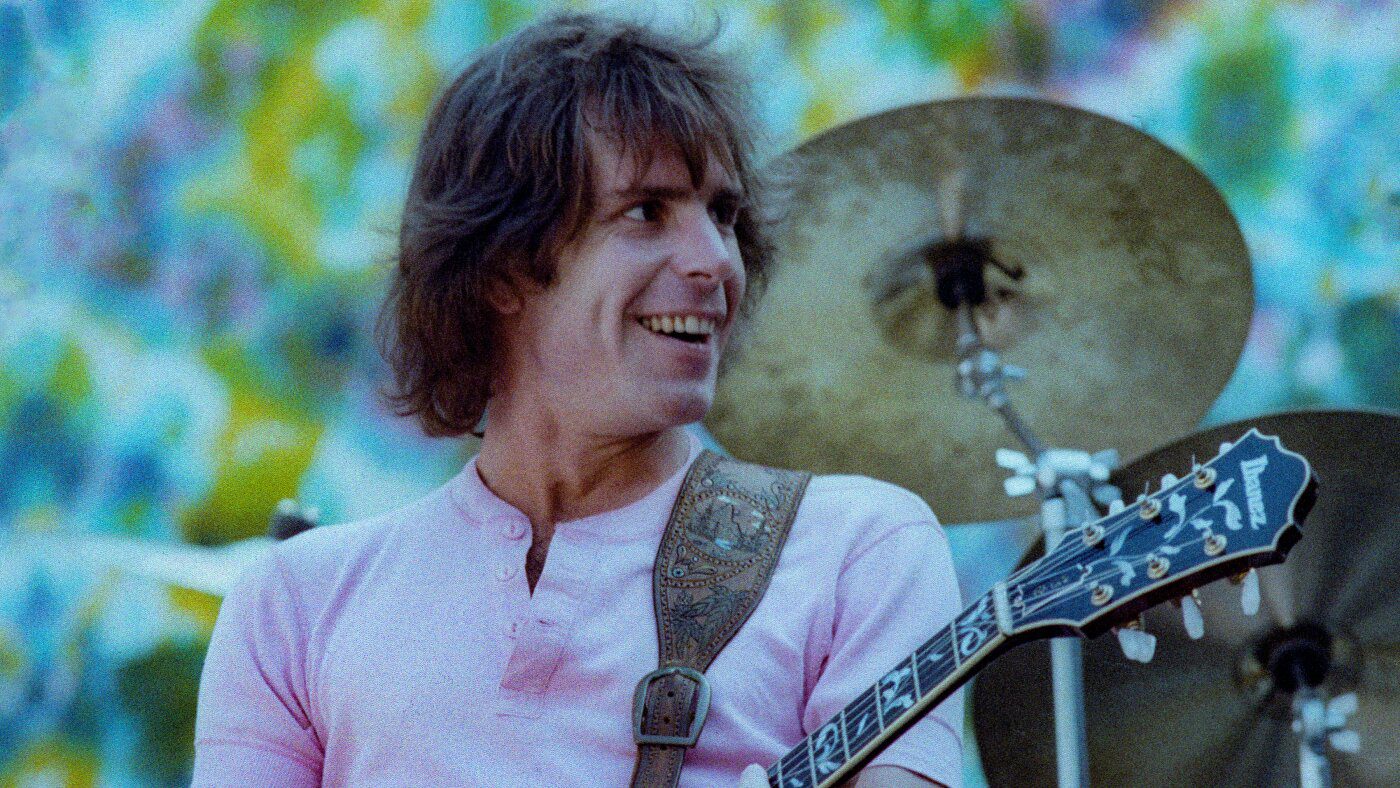
The music world mourns the passing of a true legend. Bob Weir, the iconic founding guitarist of the Grateful Dead, has died at 78, leaving an indelible mark on music and pop culture. His family confirmed the news, attributing his passing to underlying lung issues after a battle with cancer, marking the end of an era for millions of fans globally.
For Entertainment Enthusiasts and Music Fans, Weir, affectionately known as “Bobby,” was more than a musician; he was a revolutionary artist. His innovative rhythm guitar playing and soulful vocals helped forge a distinct sound, fostering a vibrant community and a unique musical movement that transcended generations.
Weir was instrumental in the Grateful Dead’s phenomenal three-decade run, and continued to champion its legacy, notably with two extended residencies with Dead & Company at the Sphere in Las Vegas in 2024 and 2025. His career highlights showcase a relentless commitment to musical evolution.
As we reflect on his unparalleled journey, we’ll dive into how his artistry shaped the industry and what his enduring Bob Weir legacy means for today’s pop culture and music lovers.
Key Data
| Project | Duration/Key Engagements | Status/Location |
|---|---|---|
| Grateful Dead | Three-decade run (1965-1995) | Cultural institution, pioneering touring act |
| Dead & Company | Extended residencies (2024, 2025) | The Sphere, Las Vegas |
Detailed Analysis
Bob Weir’s journey wasn’t just about crafting songs; it was about sculpting an entire counter-cultural identity that resonated deeply for decades. His artistic path began in San Francisco, leading him to a fateful encounter with Jerry Garcia in 1964. What sparked as Mother McCree’s Uptown Jug Band rapidly electrified into The Warlocks before famously becoming the Grateful Dead in December 1965, a name Garcia serendipitously plucked from a dictionary. This launched a phenomenal 30-year run, cementing their status as a cultural behemoth. Their pioneering approach to touring, encouraging bootlegging, and early merchandising wasn’t just savvy business; it essentially jumpstarted the jam-band scene and fostered an unparalleled, fiercely loyal fanbase known as Deadheads. Weir, though often seen as the quiet force beside Garcia, was the indispensable rhythmic backbone, enabling the band’s legendary extended improvisations to soar.
Weir was a genuine virtuoso, celebrated for his utterly distinctive rhythm guitar style. He wasn’t chasing flashy solos; instead, he intricately wove chords and strumming patterns, creating a sophisticated, graceful foundation that beautifully complemented Garcia’s more adventurous lead guitar. This unique rhythmic signature became inseparable from the Grateful Dead’s sound, proving that a song’s essence isn’t always found at the forefront. Alongside Garcia and lyricists like John Perry Barlow and Robert Hunter, Weir also penned iconic tracks such as “Cassidy,” which first graced his 1972 solo album, Ace. These songs highlighted his emotive vocals and the band’s knack for blending rich storytelling with unforgettable melodies. His vibrant stage presence, often punctuated by joyous whoops, perfectly balanced Garcia’s composed demeanor, creating an undeniable energy. Even his occasional lyric flubs became beloved quirks, met with roaring appreciation from fans who embraced every spontaneous moment.
The cultural footprint of the Grateful Dead, steadfastly maintained by Weir after Garcia’s passing, offers a compelling study in enduring artistry and unwavering fan devotion. Unlike many bands that fade, the Dead cultivated a unique, intergenerational community around their live performances. Following Jerry Garcia’s death in 1995, Weir became a principal torchbearer, bringing together various iterations like Dead & Company, which included fellow Grateful Dead drummers Bill Kreutzmann and Mickey Hart. These projects allowed the band’s spirit to evolve, continuously attracting new, younger Deadheads who enthusiastically followed tours just as their parents and grandparents had. His later ventures, such as Bobby Weir & Wolf Bros and a surprising collaboration with the 80-piece National Symphony Orchestra, demonstrated his tireless dedication to exploring new dimensions within the Grateful Dead’s expansive catalog—songs he famously called “living critters” that are never played the same way twice. This commitment underscores the band’s singular place in entertainment, constantly reimagining while holding true to its heart.
For Entertainment Enthusiasts and Music Fans, Bob Weir’s passing is a poignant moment not just for reflection and remembrance, but for vibrant celebration of a truly boundless musical journey. His profound impact on the jam-band genre and the entire concert experience guarantees that his music, and the incredible community it inspired, will continue to resonate for years to come. Fans can dive into his compelling solo works, follow the dynamic evolution of Dead & Company, or simply revisit the vast, living catalog of the Grateful Dead to fully appreciate the intricate rhythm work and heartfelt vocals that were his signature. While he once mused about death as a “reward for a life well-lived,” his spirit as a “compulsive music maker” ensures his “long, strange trip” leaves an indelible, cosmic mark on pop culture, proving some melodies truly are eternal. Keep an eye out for upcoming archival releases and tribute events, as the Grateful Dead universe continues its endless, cosmic dance.
About the Author