Key Takeaways
Bangladeshi journalists face death threats and attacks ahead of 2026 elections. Understand the escalating press freedom crisis and its impact on civic space in South Asia.
Overview
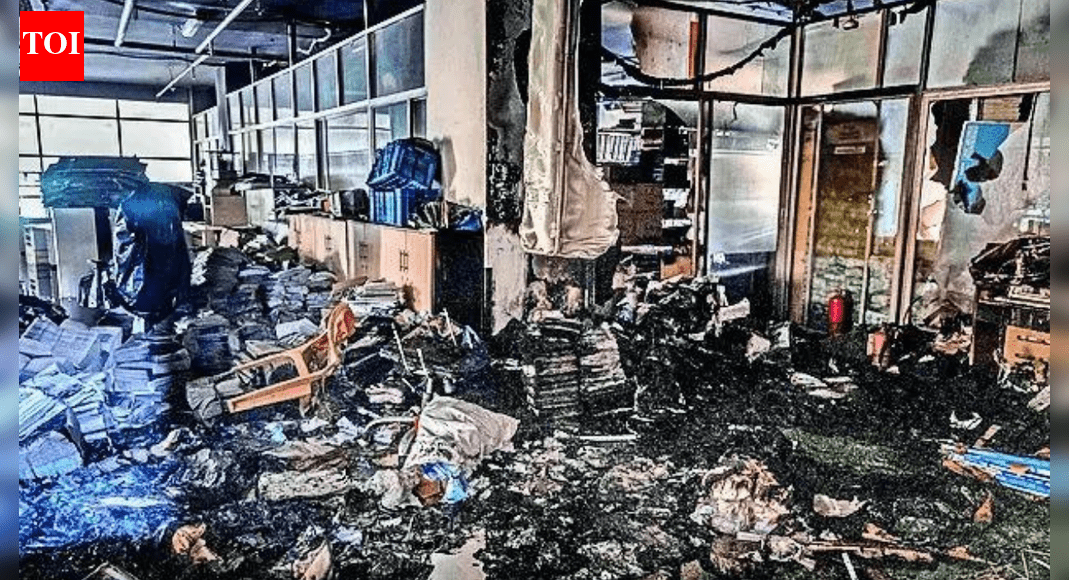
Bangladeshi journalists are currently facing severe threats, including death threats, targeted surveillance, and intimidation, as the nation approaches its February 2026 national elections. This critical situation deepened significantly after mobs attacked and set fire to the offices of prominent publications Prothom Alo and The Daily Star on December 19, trapping more than two dozen media personnel inside.
This escalating crisis demands attention from general news consumers, highlighting a concerning erosion of press freedom and civic space in South Asia. While no journalists were killed in the attacks, those present were left with little doubt about the attackers’ intentions, with staff forced to the rooftops as buildings burned.
A total of 28 individuals, mostly journalists and staffers, were eventually rescued by firefighters and army personnel after hours of waiting. Rights groups have condemned the incidents, noting the apparent intent to burn journalists alive and the active blocking of emergency responders.
This article provides balanced news analysis on the short-term dangers, medium-term implications for independent reporting, and the lasting impact on democratic processes, offering crucial current affairs updates for India News consumers.
Detailed Analysis
The recent targeting of media professionals in Bangladesh marks a dangerous escalation in the lead-up to the crucial national elections slated for February 2026. The December 19 attacks on Prothom Alo and The Daily Star offices, where fires were set and staff were trapped, serve as a stark warning. This incident was reportedly sparked by protests over the death of student leader Sharif Osman Hadi but quickly devolved into a broader assault on the press. This context underscores a challenging environment for independent journalism, as media houses operating in South Asia often navigate complex political landscapes and societal tensions, making the current climate particularly precarious for those seeking to inform the public.
Journalists described a harrowing experience, being forced onto rooftops as smoke filled their buildings, enduring weak phone signals, and waiting hours for help. The 28 individuals rescued faced threats that press freedom organizations suggested were intended to be fatal, with allegations of emergency responders being actively blocked. Following these overt attacks, a more insidious form of intimidation has emerged: online tracking, anonymous warnings, and even in-person surveillance. Reporters from both national and international publications shared concerns about their posts being monitored to determine political leanings, with minority journalists or those expressing liberal perspectives reportedly marked. Many have abandoned social media altogether, anticipating the next two months to be exceptionally dangerous.
The situation in Bangladesh is not isolated, echoing similar challenges faced by media in the region. Nepal, for instance, saw its Kantipur Media Group headquarters vandalized and set ablaze during anti-government demonstrations in September of this year. A senior editor from Kantipur observed an unmistakable trend: a progression from undermining reporters to surveillance, culminating in violent attacks. This pattern, characterized as ‘coordinated tolerance for impunity,’ suggests a systemic issue rather than sporadic incidents. Rights groups such as Human Rights Watch and Access Now have jointly condemned the incidents, highlighting a deeper erosion of civic space in Bangladesh and criticizing the state’s inaction against rising hate speech and online harassment targeting journalists.
For general readers and news consumers, these developments have significant implications beyond the immediate threats to journalists. A compromised press directly impacts the public’s right to information, especially critical during an election period. The lack of arrests or formal investigations into the attacks undermines the rule of law and fosters an environment where perpetrators feel emboldened. Chief advisor Muhammed Yunus’s condemnation of the arson and promises for media safety, though welcome, are viewed with skepticism by journalists on the ground who feel detached from the reality. The erosion of media protection in Bangladesh signifies a weakening of democratic institutions, making it crucial for the public to monitor the forthcoming elections and the actions taken to uphold press freedom and accountability.
About the Author