Key Takeaways
Assam unrest in Karbi Anglong impacts regional stability. Analyze business disruption, investment risk, and the outlook for local economies in December 2025.
Overview
The escalating Assam unrest in Karbi Anglong, characterized by internet suspension and curfews, presents immediate challenges for regional economic stability. This developing situation warrants close scrutiny from investors, impacting local business operations and broader investment sentiment. Retail investors and finance professionals must assess its implications on market dynamics.
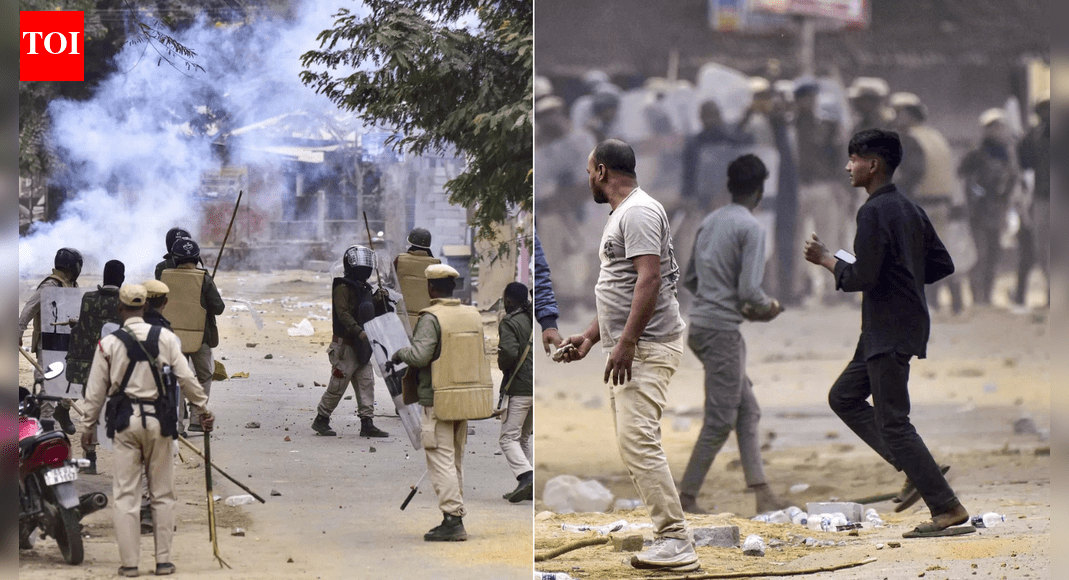
Originating from alleged illegal non-tribal settlement and land rights disputes, the violence has resulted in two fatalities and numerous injuries. Kheroni, a pivotal local trading town, suffered significant disruption, with several shops gutted. This directly affects regional commerce, heightening operational risks for local enterprises and supply chains.
Immediate measures include the suspension of mobile internet services across Karbi Anglong districts and the imposition of curfew-like restrictions. While crucial for law and order, these measures inhibit digital transactions and essential business communications. Tripartite talks are scheduled for December 26, offering a pathway toward resolution.
This financial analysis dissects the short-term disruptions and long-term investment implications for the region, guiding strategic portfolio considerations within the evolving landscape of Indian equities and regional stability. Investors should monitor developments keenly.
Detailed Analysis
The socio-political instability in Assam’s Karbi Anglong region underscores the critical need for investors to integrate political risk assessment into their due diligence, particularly when considering regional or sector-specific allocations within Stock Market India. Historically, India’s Northeast, while rich in resources and potential, has occasionally faced challenges stemming from land rights, tribal autonomy, and demographic shifts. The current unrest in Karbi Anglong stems from long-simmering tensions over alleged illegal non-tribal settlement on lands constitutionally protected under the Sixth Schedule. This legal framework grants significant autonomy to tribal regions, including control over land and local governance, specifically designed to safeguard indigenous communities. The protests, escalating after a hunger strike initiated on December 6, intensified following misinformation regarding a protest leader’s medical transfer. This sequence of events culminated in violent clashes by December 24, leading to two fatalities and widespread disruption, demanding investor attention to underlying governance structures and social cohesion as key indicators of regional investment stability.
The immediate financial implications of the Karbi Anglong unrest are multi-faceted, directly impacting local economic activity and indirectly influencing broader investor confidence. The suspension of mobile internet services, for instance, creates significant operational hurdles for businesses reliant on digital transactions, communication, and e-commerce. SMEs in trading towns like Kheroni, the epicentre where shops were set ablaze, face direct revenue losses and supply chain disruptions. This translates into decreased economic output and potential credit defaults for local financial institutions. From a financial analysis perspective, investors should monitor regional economic indicators such as retail sales data, logistics costs, and employment figures (if available), offering granular insights into the immediate impact. While direct listed entities linked solely to Karbi Anglong are minimal, the event serves as a critical case study for assessing localized socio-political risk within broader emerging market portfolios. The injury to 48 police personnel further underscores the severity of the operational environment.
Comparing the Karbi Anglong situation to similar localized socio-political unrest in India, a common thread emerges: such events, while geographically confined, often impose significant “risk premiums” on regional investments. While major national indices like the Nifty and Sensex may not show immediate correlation, sectors with strong regional presence or supply chain dependencies, such as logistics and local manufacturing, could face indirect impacts. For long-term investors, land rights and constitutional autonomy under the Sixth Schedule represent a critical regulatory and governance risk. Unresolved disputes can delay or derail infrastructure projects. The internet shutdown reflects measures in other sensitive regions, highlighting a governmental response that impacts the digital economy. Finance professionals assess these disruptions against state-level Ease of Doing Business indices and political stability ratings.
For Retail Investors, the unrest in Assam highlights the need to diversify geographical exposure and understand localized governance risks when considering regional opportunities. Direct investment in small, unlisted local businesses would face immediate operational challenges. Long-term Investors and Finance Professionals should integrate socio-political stability and land rights issues into their ESG frameworks for state-level assessments. Monitor the tripartite talks scheduled for December 26 for de-escalation signals, alongside government actions to restore normalcy. Key metrics to watch include the duration of internet suspension, restoration of trade in Kheroni, and policy statements regarding land rights enforcement. Prolonged instability could deter future capital inflows, impacting regional growth. Conversely, a swift, equitable resolution could reinforce investor confidence in regional governance capacity.
About the Author