Key Takeaways
Ashes Test sees 36 wickets fall in 2 days, leaving MCG curator stunned. Explore financial impact and future of Test pitches for cricket fans.
Overview
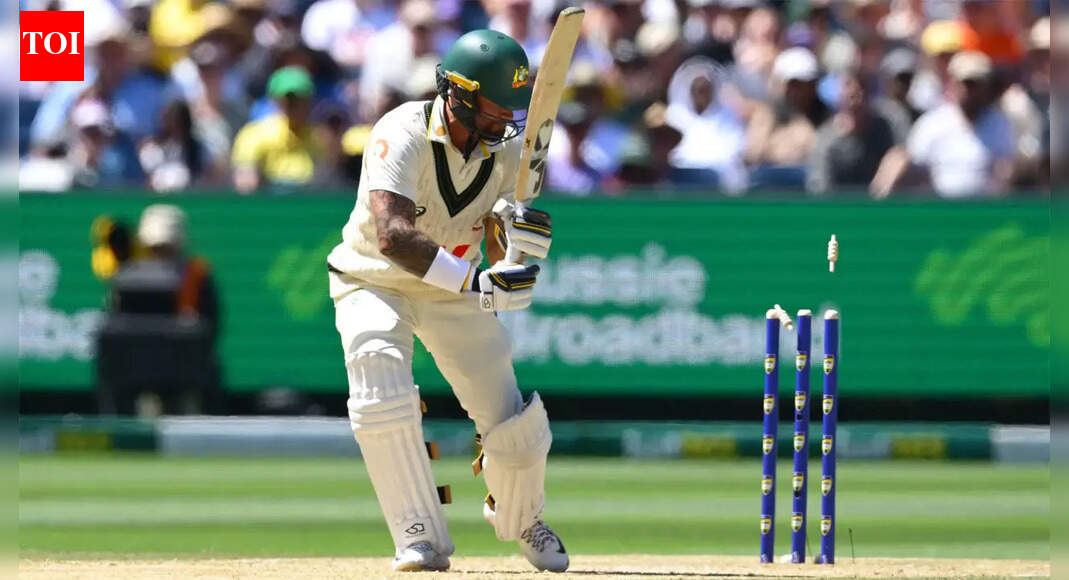
The cricket world is still reeling from the shocking events at the Melbourne Cricket Ground (MCG), where a mere two days witnessed a staggering 36 wickets tumble during the Ashes Test. Head curator Matt Page admitted he was left in a “state of shock,” a sentiment echoed by dismayed cricket fans and officials worldwide. This dramatic outcome has ignited fierce debate over pitch preparation and its profound implications for the sport.
For Sports Fans, Cricket Enthusiasts, and Sports Analysts alike, this isn’t just a quirky anomaly; it’s a significant event that impacts the financial health of Cricket Australia and the very essence of Test cricket. It raises critical questions about the balance between bat and ball, and the fan experience for major sporting events in India and globally.
A total of 36 wickets fell in just 142 overs, with an astonishing 20 on the opening day. England secured a four-wicket victory, marking their first Test win in Australia since January 2011, a rare triumph in such unprecedented circumstances.
This analysis dives deep into the short-term fallout, medium-term implications for Test venues like the MCG, and the long-term impact on pitch standards and the future of high-stakes cricket in Australia and beyond, keeping all Cricket enthusiasts informed on the evolving landscape of this beloved game.
Key Data
| Metric | This Ashes Test (2025) | Last Year’s Test (Australia vs India) |
|---|---|---|
| Total Wickets Fallen | 36 | Specific data not disclosed (implied fewer) |
| Match Duration | 2 Days | 5 Days (final session) |
| Pitch Grass Length | 10 mm | 7 mm |
| Outcome | England Won (4 wickets) | Australia Won |
| ICC Demerit Point Risk | ICC Review Pending | None Mentioned |
Detailed Analysis
The astonishing sight of 36 wickets crashing down in just two days at the iconic Melbourne Cricket Ground sent shockwaves through the global cricket community, making headlines across Sports News outlets. This unprecedented pace of play in an Ashes Test match, a series revered for its gritty five-day contests, prompted immediate and passionate reactions from players, pundits, and fervent Sports Fans. It marked a truly rare occasion, being the first time in 129 years that the same Ashes series featured multiple two-day Tests, reminiscent of an era when pitches were left exposed to the elements without covering. The curator, Matt Page, found himself at the centre of an intense storm, facing scrutiny over his decision to leave 10 millimetres of grass on the pitch, a move that undoubtedly amplified seam movement and bounce, rendering batting an extreme challenge for even the world’s best batsmen.
The sheer velocity of the match’s conclusion had immediate and severe ramifications, extending far beyond the field of play. Cricket Australia faces a revenue shortfall running into millions of dollars, primarily due to the mandated refunds for tickets sold for what should have been Days 3, 4, and 5. Over 90,000 spectators were anticipated for Day 3 alone, highlighting the colossal financial impact of a premature finish on major sporting events. England’s four-wicket victory, their first Test win in Australia since 2011, provided a moment of glory amidst the controversy. However, it came on a surface that international captains Ben Stokes and Steve Smith, along with former England legend Michael Vaughan, vehemently criticised. Stokes labelled it “not ideal,” while Smith pointed out that 36 wickets in two days was “probably too much,” sentiments that resonate strongly with Cricket Enthusiasts who expect a true contest between bat and ball. The International Cricket Council (ICC) referee Jeff Crowe is now deliberating whether to slap the venue with an “unsatisfactory” rating, which carries a demerit point.
The current pitch performance starkly contrasts with the venue’s previous Test. Last year, when Australia hosted India, trimming the pitch grass to seven millimetres resulted in a thrilling contest that captivated audiences until the final session of Day 5, a testament to balanced pitch preparation. Page explained his altered approach for this Ashes Test, citing cool and wet conditions in the lead-up combined with a forecast for scorching heat on days three and four. He aimed to maintain a contest over five days, believing the longer grass would cope better with the anticipated heat. However, the outcome tragically undershot this intention, delivering a memorable but ultimately unsatisfying spectacle for many Sports Fans and Sports Analysts. This incident underscores the delicate tightrope curators walk, balancing environmental factors with the need for fair and engaging Test Cricket. The debate now intensifies on whether such pitch conditions truly serve the spirit of the game or merely sensationalise results at the expense of player skill and endurance.
For Sports Fans, Cricket Enthusiasts, and Sports Analysts, this Ashes pitch controversy serves as a crucial talking point. It highlights the inherent risks in modern pitch preparation and its immediate financial and reputational impacts on major sporting bodies like Cricket Australia. The dramatic finish, while certainly ‘energetic’ and ‘engaging’ in its unpredictability, raises vital questions about the long-term health of Test cricket if conditions consistently favour bowlers to such an extreme. Fans deserve competitive matches that showcase skill across all facets of the game, not just fleeting spectacles. Keep a close eye on ICC referee Jeff Crowe’s official report, as his assessment could lead to a demerit point for the MCG, potentially influencing future pitch standards globally, impacting Cricket India and Test matches everywhere. This incident forces a necessary introspection into what truly constitutes an optimal, compelling Test match environment.
About the Author