Key Takeaways
American Airlines rolls out free satellite-based Wi-Fi to AAdvantage members on millions of flights. Discover this tech innovation for travelers.
Overview
American Airlines is set to significantly enhance the digital travel experience by offering free, high-speed, satellite-based Wi-Fi to its AAdvantage members on the vast majority of its flights. This move signals a pivotal shift in in-flight connectivity, responding directly to the escalating demand for seamless online access, even at 35,000 feet, making it a key development in Technology India discussions regarding global innovation benchmarks.
For tech enthusiasts, innovators, and startup founders, this initiative underscores a critical industry trend: the integration of robust, always-on connectivity as a standard expectation rather than a premium amenity. It highlights the continued evolution of infrastructure supporting digital lifestyles, whether on the ground or in the air, offering new possibilities for remote work and entertainment.
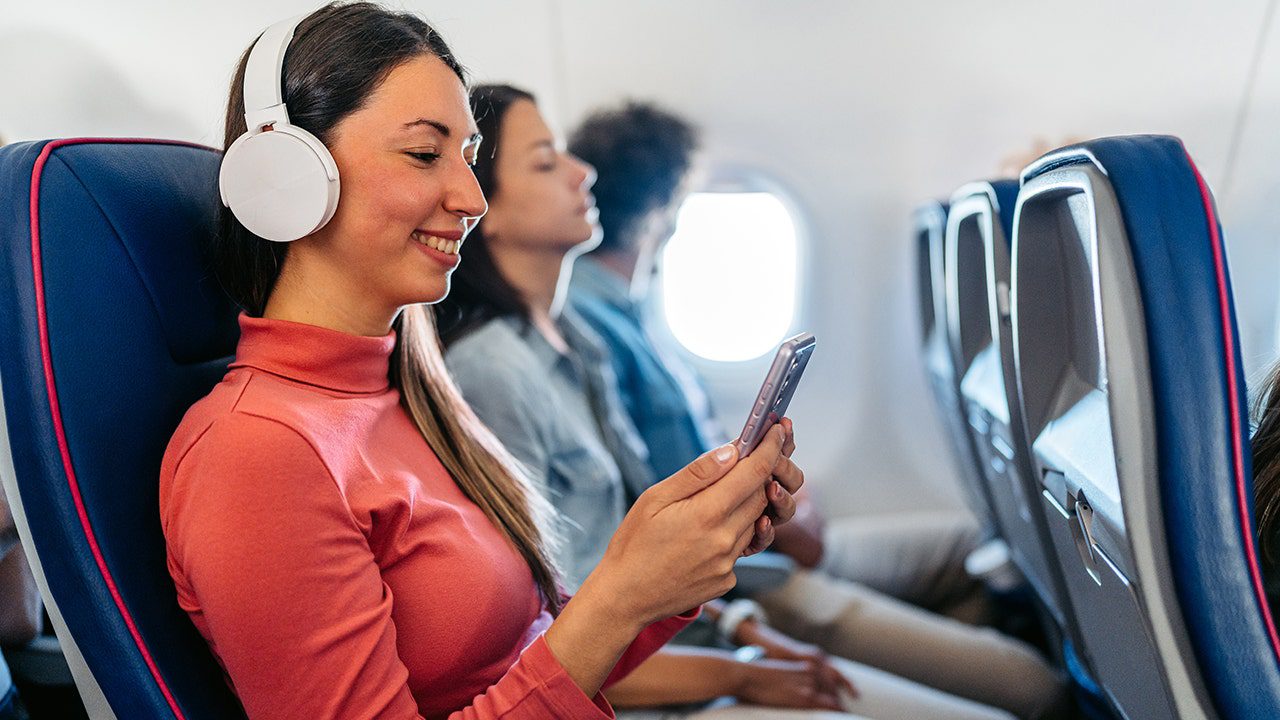
Starting this month, the rollout will cover more than 2 million American Airlines flights annually, with nearly universal availability expected by spring. The service, a collaboration with telecommunications giant AT&T, aims to enable browsing, streaming, and online work for AAdvantage members.
This strategic upgrade positions American Airlines at the forefront of customer-centric innovation in the aviation sector, driving forward expectations for what modern air travel technology can deliver. The subsequent analysis will delve into the technical implications, market context, and future opportunities this development presents for various stakeholders.
Key Data
| Airline | Loyalty Program Required | Free Wi-Fi Offering | Cost for Non-Members (Typical) |
|---|---|---|---|
| American Airlines | Yes (AAdvantage) | Free High-Speed (Satellite-based) | N/A (Implicitly paid, not specified as free for non-members) |
| United Airlines | Yes (MileagePlus) | Standard Access (Paid for others) | $10 |
| Delta Airlines | Yes (SkyMiles) | Free (Sponsored by T-Mobile) | N/A (Implicitly paid, not specified as free for non-members) |
Detailed Analysis
The integration of free, high-speed Wi-Fi across millions of flights by American Airlines represents a significant technological leap in aviation and passenger experience. Historically, in-flight connectivity was a costly, often unreliable, and slow service, limiting its appeal to only the most desperate business travelers. Early systems relied on air-to-ground technology with limited bandwidth, leading to frustrating user experiences. The shift to satellite-based Wi-Fi, now widely adopted, has dramatically improved speeds and reliability, enabling airlines to consider broader free access. This evolution mirrors the broader consumer expectation for ubiquitous connectivity innovation, pushing industries to integrate advanced software and hardware solutions to meet modern demands.
American Airlines’ initiative specifically leverages advanced satellite technology to deliver its new free Wi-Fi service. The phased rollout, commencing with narrowbody and dual-class regional fleets before expanding to nearly all flights by spring, demonstrates a strategic, controlled deployment designed to ensure service quality. The partnership with AT&T as the sponsoring telecommunications company is crucial, providing the financial backing and potentially the network expertise to support such a large-scale offering. American Airlines’ chief customer officer, Heather Garboden, emphasized that free high-speed Wi-Fi is no longer a luxury but an ‘essential for today’s travelers,’ reflecting a profound understanding of contemporary user needs, especially for those accustomed to always-on gadgets. This investment over years into in-flight connectivity infrastructure is now culminating in a tangible benefit, directly impacting the user experience for millions.
Examining the competitive landscape, American Airlines is now aligning with or surpassing rivals in its Wi-Fi offering. As per the source, Delta Airlines already offers free Wi-Fi to its SkyMiles members, sponsored by T-Mobile, indicating a growing trend in the industry. United Airlines, however, charges MileagePlus members $8 and other passengers $10 for standard access on many domestic routes. This comparison highlights American Airlines’ aggressive move to enhance its loyalty program’s value proposition. The industry-wide push for free or low-cost Wi-Fi reflects a competitive dynamic where airlines are using technology upgrades to differentiate services and attract digitally-reliant passengers. This also suggests potential for further partnerships between airlines and telecommunication giants, driving startup news in the travel tech sector with new integration opportunities.
[Suggested Matrix Table: In-Flight Wi-Fi Offerings Comparison with American, United, Delta]
For tech enthusiasts, this development ensures uninterrupted productivity and entertainment during travel, blurring the lines between ground and air-based digital activities. Innovators and developers can view this as a stable platform for future in-flight applications, from enhanced collaboration tools to personalized content delivery, sparking new AI innovation possibilities. Startup founders in the travel tech space should closely monitor adoption rates and passenger feedback to identify unmet needs or complementary services that can leverage this enhanced connectivity. The long-term implication is a continued expectation for seamless digital integration across all modes of transport, pushing further investments into advanced networking solutions and potentially opening new avenues for digital advertising and subscription models in the travel sector. This initiative significantly moves the needle towards ubiquitous connectivity, impacting how global tech news defines modern travel.
About the Author