Key Takeaways
Akhlaq lynching case sees UP govt’s withdrawal plea rejected by court, ordering daily trial. Understand implications for justice, current affairs & India news.
Overview
A court in Gautam Buddha Nagar recently delivered a significant ruling in the long-pending Akhlaq lynching case, rejecting the Uttar Pradesh government’s plea to withdraw charges against all accused. This pivotal decision in India news highlights ongoing judicial scrutiny.
The court dismissed the prosecution’s application as “baseless” and mandated a day-to-day trial, accelerating proceedings in this high-profile current affairs case. This directive establishes a firm stance on legal accountability.
Akhlaq’s family counsel, Yusuf Saifi, praised the court, stating justice was served. The next hearing is slated for January 6.
This ruling impacts legal precedents. We will analyze its immediate reactions and lasting implications for justice in India today.
Detailed Analysis
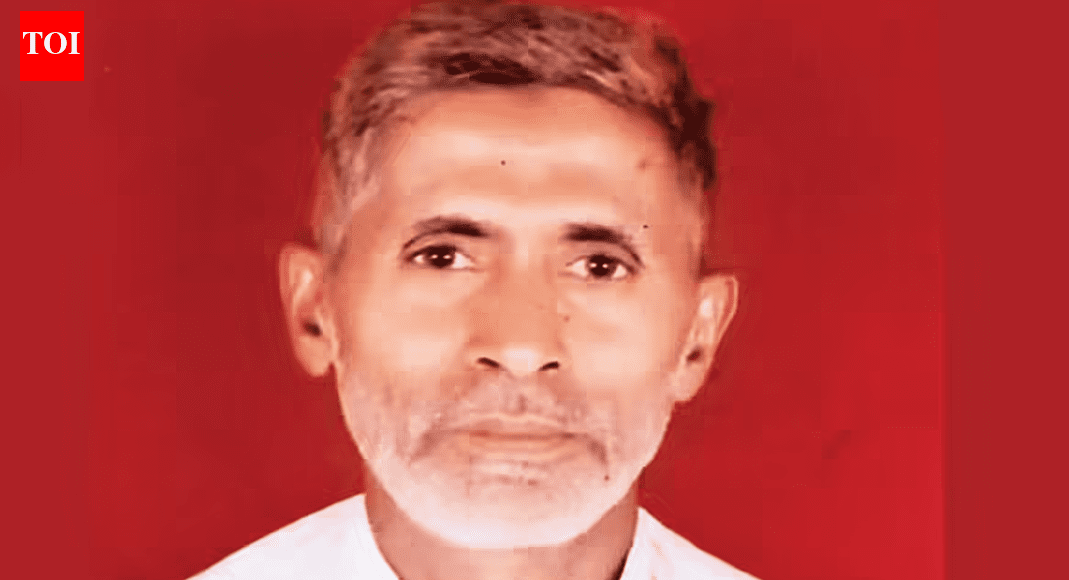
The rejection of the Uttar Pradesh government’s plea to withdraw charges in the Akhlaq lynching case marks a crucial juncture in India’s legal landscape, particularly concerning mob violence. This tragic incident on September 28, 2015, saw 52-year-old Mohammad Akhlaq killed in Bisahda village, Dadri, Uttar Pradesh, over unverified suspicions of cow slaughter. The case profoundly impacted national discourse on communal harmony and legal accountability. The UP government’s application, filed by its advocate, sought to withdraw the case, citing a need for social harmony. This move previously raised questions about the justice system’s impartiality. The court’s unequivocal dismissal of this plea as “baseless” firmly reaffirms judicial independence and the principle that serious criminal charges must undergo due process in this significant current affairs development.
The Additional District and Session Judge’s court in Gautam Buddha Nagar unequivocally rejected the prosecution’s plea, terming it “baseless,” a critical detail highlighted by advocate Yusuf Saifi, counsel for Akhlaq’s family. This strong judicial language underscores the court’s perception of the government’s withdrawal argument. Such a definitive rejection sends a clear message about the sanctity of judicial proceedings, especially in grave public interest cases. Furthermore, the directive for a “day-to-day basis” trial is a significant procedural acceleration. This move demonstrates the court’s intent to bring the long-pending trial to a swift conclusion, minimizing further delays and upholding the principle of timely justice. Akhlaq’s lawyer lauded the decision, emphasizing that the judge “set an example” and “justice was served.” This perspective underscores the deep public desire for closure and accountability in this important India News development.
This court order stands in stark contrast to previous instances where Indian state governments sought to withdraw cases, often facing criticism for undermining the rule of law for political expediency. The Gautam Buddha Nagar court’s firm stance acts as a vital check on executive power, reinforcing the judiciary’s independent role. It clearly signals that legal processes for heinous crimes cannot be easily aborted based on subjective pleas like “maintaining social harmony,” which can be prone to misuse. This development is crucial for General Readers and News Consumers, showcasing the Indian judicial system’s robustness against political pressures. Victims of mob violence and their advocates notably benefit, seeing a renewed commitment to justice. Conversely, state governments attempting to withdraw sensitive cases might now face increased legal scrutiny.
For general readers and news consumers, this ruling signifies a crucial win for judicial independence in mob violence cases. Short-term, it reassures the public that the legal system can resist executive and political pressures for heinous crimes. Medium-term implications suggest increased judicial scrutiny for state-level attempts to interfere with criminal proceedings, potentially influencing legal strategies nationwide. All eyes now turn to the upcoming January 6 hearing as a key event to monitor. Long-term, the directive for a day-to-day trial suggests efforts to expedite such processes, potentially shaping how the Indian judiciary handles prolonged, sensitive cases. This outcome reinforces trust in the justice system’s commitment to fairness and accountability for victims.
About the Author