Key Takeaways
AIIMS faces 39% faculty vacancies, posing risks to India’s healthcare sector. Analyze the investment implications for public and private health stocks and future trends.
Overview
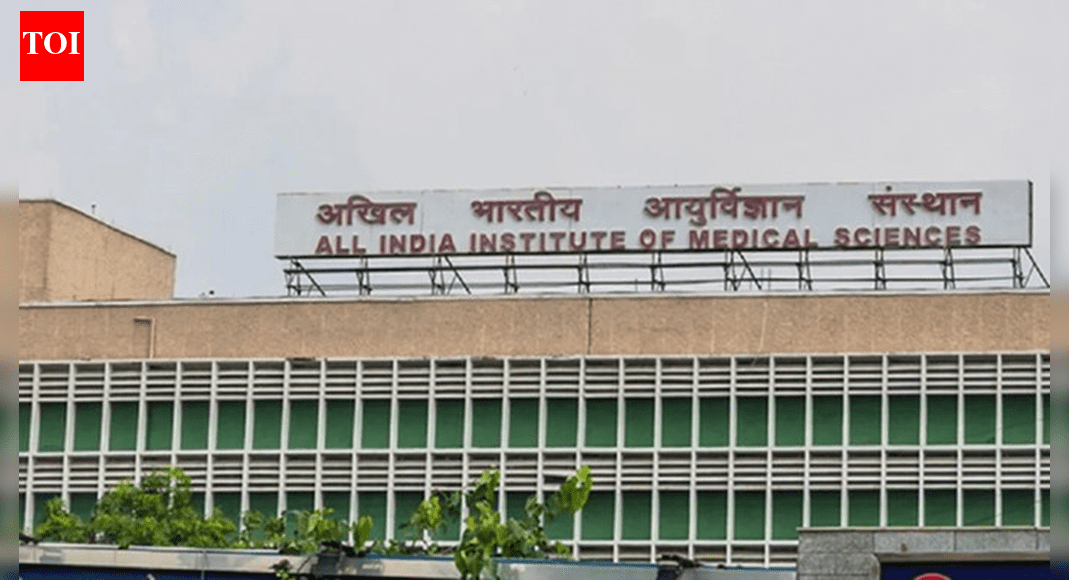
A recent Right to Information (RTI) query has unveiled a critical staffing shortage within India’s premier public healthcare institutions, the All India Institute of Medical Sciences (AIIMS). Nearly four out of every ten sanctioned faculty posts remain vacant across 11 AIIMS, raising significant questions for investors tracking the Indian healthcare sector and government efficiency.
This deep staffing crunch has profound implications for Retail Investors, Swing Traders, Long-term Investors, and Finance Professionals, signaling potential long-term strains on public healthcare delivery, medical education quality, and ultimately, human capital development critical for Stock Market India’s growth trajectory.
Specifically, 1,600 of 4,099 faculty positions, approximately 39%, are unfilled. AIIMS Delhi alone faces 524 vacancies out of 1,306 sanctioned posts, while newer institutes like AIIMS Jodhpur report a staggering 46.7% shortfall. These figures underscore a widening gap between infrastructure expansion and human resource development.
This analysis delves into the short-term operational challenges, medium-term societal impacts, and long-term investment implications for the broader healthcare landscape in India, emphasizing key metrics investors should monitor.
Key Data
| AIIMS Institute | Sanctioned Posts | Vacant Posts | Vacancy Rate (%) |
|---|---|---|---|
| Overall (11 AIIMS) | 4,099 | 1,600 | 39.0% |
| AIIMS Delhi | 1,306 | 524 | 40.1% |
| AIIMS Jodhpur | 405 | 189 | 46.7% |
| AIIMS Gorakhpur | — | — | 45.5% |
| AIIMS Jammu | — | — | 44.3% |
| AIIMS Nagpur | 373 | 137 | 36.7% |
Detailed Analysis
India’s healthcare sector, a significant component of the nation’s economic framework, relies heavily on institutions like AIIMS for both patient care and the cultivation of future medical professionals. The reported 39% faculty vacancy rate across these premier All India Institute of Medical Sciences hospitals, as revealed by RTI data, signifies a substantial challenge to the foundational pillars of public health and medical education. While the government has rapidly expanded healthcare infrastructure with new AIIMS, the critical bottleneck now appears to be human capital. This situation not only strains existing resources but also risks compromising the quality of specialized services and the training of undergraduate and postgraduate doctors, potentially affecting long-term public health outcomes and economic productivity.
A detailed financial analysis of this staffing crisis highlights immediate operational inefficiencies and long-term fiscal burdens. With 1,600 out of 4,099 faculty positions vacant, the existing senior faculty members are forced to juggle increased clinical, academic, and administrative responsibilities. This stretched capacity could lead to delays in outpatient services, extended surgery schedules, and suboptimal ICU supervision. From an investor perspective, this represents a misallocation of capital, where significant investments in physical infrastructure are undermined by a lack of essential human resources. The disparity is stark: AIIMS Delhi, a national referral centre, has 524 vacancies from 1,306 sanctioned posts. Newer AIIMS like Jodhpur (46.7% vacant), Gorakhpur (45.5% vacant), and Jammu (44.3% vacant) face even more acute shortages, indicating a systemic issue in recruitment pace failing to match expansion. While AIIMS Delhi states recruitment efforts are ongoing, the persistent nature of these vacancies points to deeper structural challenges.
Comparing the efficacy of public sector healthcare delivery, the current AIIMS faculty crisis indirectly underscores potential shifts in the Indian healthcare landscape. While specific financial data for the private sector is not included in the source, the persistent understaffing in public apex institutions could inadvertently drive demand towards private healthcare providers. This scenario implies a potential for increased revenue and market share for private hospital chains, medical diagnostics companies, and even health insurance providers. The variance in vacancy rates, from AIIMS Bhubaneswar’s relatively lower 26% to Jodhpur’s challenging 46.7%, suggests an uneven development trajectory among institutes. This unevenness may stem from factors such as geographic location, infrastructure maturity, or differing recruitment strategies, posing varied risks and opportunities across regional healthcare markets. For long-term investors, this necessitates a keen understanding of regional healthcare dynamics and government policy responses.
For Retail Investors, Swing Traders, Long-term Investors, and Finance Professionals, the AIIMS faculty crisis carries tangible investment implications. The immediate risk lies in potential governmental fiscal strain as efforts to fill these critical positions escalate, requiring significant budgetary allocations for salaries and incentives. On the opportunity side, the evident gaps in public healthcare provision could accelerate growth in the private healthcare sector. Investors should monitor quarterly earnings reports from leading hospital groups and pharmaceutical companies, particularly those focused on specialized care. Additionally, tracking government policy announcements on healthcare spending, medical education reforms, and new recruitment drives will be crucial. This evolving situation presents a complex risk-reward profile, prompting a strategic re-evaluation of investment exposure within India’s dynamic healthcare ecosystem.
About the Author