Key Takeaways
San Francisco power outage stalls autonomous vehicles, exposing critical vulnerabilities in urban tech. Explore future implications for AI, smart cities, and startup innovation.
Market Introduction
A recent massive power outage in San Francisco plunged significant parts of the city into darkness, profoundly impacting not just homes and businesses but also crucial technology infrastructure. This incident critically highlighted the intricate dependencies between urban power grids and the burgeoning ecosystem of AI-driven autonomous systems.
For Tech Enthusiasts, Innovators, and Startup Founders, this event serves as a stark reminder of the underlying vulnerabilities in smart city development and the operational challenges for innovations like self-driving cars, necessitating a re-evaluation of resilience strategies in urban tech infrastructure.
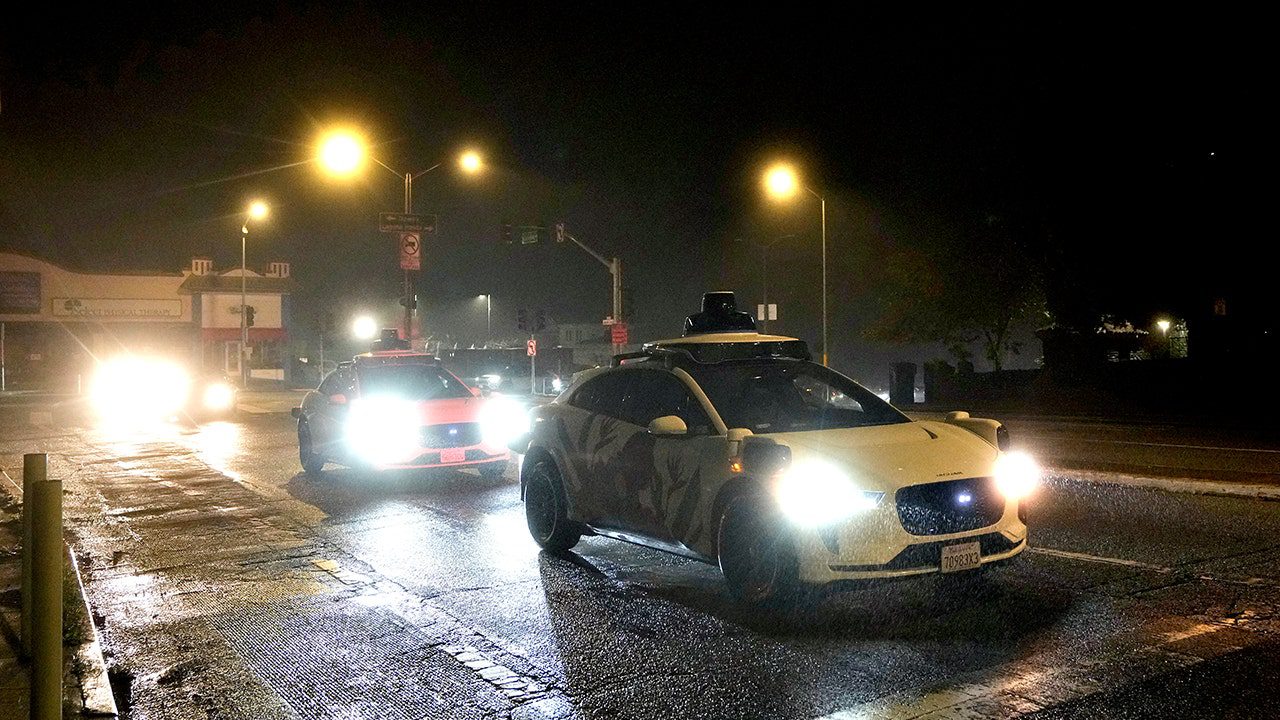
The blackout affected approximately 130,000 homes and businesses, with the utility company, PG&E, initially reporting a fire at a substation as a primary cause. Notably, autonomous vehicles, including those from Waymo, experienced widespread stalling, leading to significant transit disruptions.
This detailed analysis will delve into the short, medium, and long-term implications for artificial intelligence, urban innovation, and the future of resilient Technology India solutions, offering critical insights for developers and early adopters.
Data at a Glance
| Outage Metric | Detail | Impact Significance |
|---|---|---|
| Total Affected | ~130,000 homes and businesses | Roughly 1/3 of city’s PG&E customers |
| Initial Cause | Fire inside PG&E substation | Infrastructure vulnerability highlighted |
| Tech Sector Impact | Autonomous vehicles stalled; Waymo suspended service | Operational reliance on stable power critical |
| Restoration Status (Sat, 11:30 PM) | ~95,000 customers restored; ~35,000 without power | Extended disruption for significant portion |
In-Depth Analysis
San Francisco, a global epicenter of innovation and home to groundbreaking AI startups and autonomous vehicle development, recently experienced a widespread power outage that dramatically underscored the fragility of advanced urban technology when foundational infrastructure falters. The city’s rapidly evolving landscape, increasingly reliant on smart systems and connected devices, faced an unprecedented test of resilience. This incident offers a crucial case study for innovators and policy-makers worldwide, particularly as regions like Technology India actively pursue ambitious smart city initiatives and deploy autonomous fleets.
The events of December 20, 2025, began with a fire at a Pacific Gas and Electric Co. (PG&E) substation. This singular point of failure cascaded into a blackout affecting roughly one-third of the utility’s customers, impacting about 130,000 homes and businesses. The immediate aftermath saw widespread traffic disruptions, not least due to numerous autonomous vehicles—a symbol of San Francisco’s tech prowess—stalling mid-street. Waymo, a leading player in self-driving technology, confirmed the temporary suspension of its ride-hailing services. This operational halt for AI-driven mobility highlights a critical dependency: while autonomous systems promise efficiency and safety, their seamless functioning relies heavily on robust, uninterrupted power and stable communication networks, which underpin traffic signals and real-time mapping.
The detailed analysis reveals a multifaceted challenge. Self-driving cars, by their very design, are sophisticated computing platforms that require continuous power for their sensors, processors, and navigation systems. A grid-wide outage not only cuts off their immediate power supply (beyond on-board battery reserves, which are not infinite) but also disrupts the critical infrastructure they interact with, such as traffic lights and cellular networks for remote assistance. This incident exposes a significant vulnerability for the future of smart cities and AI innovation. While advancements in autonomous vehicle software and hardware continue at a rapid pace, the resilience of the underlying urban power grid often remains an Achilles’ heel. The lack of decentralized energy solutions or sophisticated microgrid systems capable of isolating and powering critical nodes like autonomous vehicle routes or charging stations becomes glaringly apparent.
Comparing this scenario to other major tech disruptions, such as large-scale data center outages due to power failures, illustrates a common theme: the accelerating pace of digital transformation demands equally resilient physical infrastructure. For developers and startup founders working on autonomous systems or other critical urban tech, this event serves as a mandate to integrate robust failover mechanisms, explore energy-independent designs, and advocate for smarter, more distributed power grids. The incident creates an immediate risk for companies heavily invested in a single geographic market’s infrastructure, but it also presents opportunities for innovation in battery technology, localized power solutions, and more intelligent energy management software. Moving forward, the tech community should monitor investments in smart grid technology, regulatory frameworks for autonomous vehicle operation in compromised environments, and the development of vehicle-to-grid (V2G) technologies as critical metrics for improving urban tech resilience. The path to truly revolutionary Tech News often highlights these systemic dependencies, urging a future where technological ambition is matched by foundational robustness.
About the Author