Key Takeaways
AI and computational modeling are set to transform biomedical research. Discover how this tech shift impacts animal testing and creates new innovation opportunities.
Market Introduction
The Trump administration’s recent initiative to crack down on animal cruelty is surprisingly charting a new course for AI and computational modeling within the biomedical research landscape. While framed under animal welfare, the Department of Health and Human Services (HHS) is actively championing a technological pivot, highlighting innovation in research methodologies that profoundly impacts Tech Enthusiasts and Startup Founders.
This strategic shift, driven by insights into the poor predictivity of traditional animal models for human health outcomes, opens significant avenues for technological development. It underscores a growing global trend towards ethical and efficient scientific discovery, directly influencing the future of healthcare technology in India and beyond.
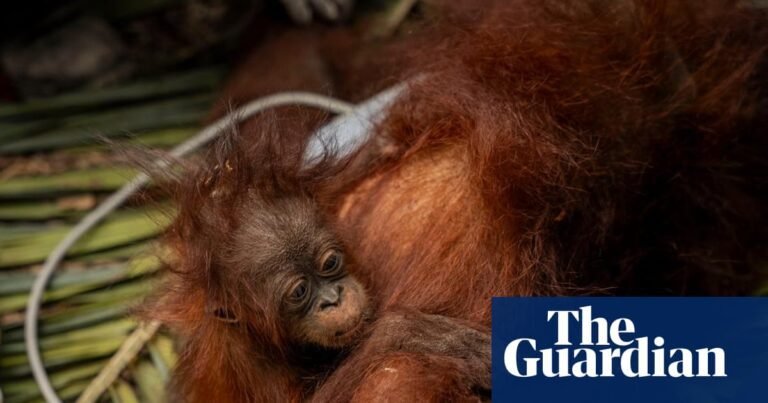
Key data points reveal a substantial challenge: approximately 100,000 primates currently reside in research labs across the U.S., with an additional 20,000 imported annually. HHS now advocates for computational modeling and AI as superior alternatives, aiming to drastically reduce these figures.
Innovators should keenly watch the regulatory shifts and funding allocations as this inter-agency push accelerates the integration of advanced software solutions into core scientific processes, redefining research paradigms.
Data at a Glance
| Research Aspect | Traditional Animal Testing | Emerging AI/Computational Models |
|---|---|---|
| Predictivity for Human Health Outcomes | Very Poor | Much More Efficient/Better Results |
| Primates in U.S. Research Labs (approx.) | 100,000 | Goal: Reduce Significantly |
| Annual Primate Imports (approx.) | 20,000 | Goal: Put an End to Completely |
| Animal Welfare Act Compliance (USDA) | 65-67% (Historically) | 92% (Recent, with focus on last 8%) |
In-Depth Analysis
While headlines initially focused on a broader animal cruelty crackdown, the true innovation story unfolds within the Department of Health and Human Services (HHS). Historically, biomedical research has leaned heavily on animal experimentation, a practice now under intense scrutiny for both ethical reasons and, critically, its scientific efficacy. HHS Secretary Robert F. Kennedy Jr.’s candid assessment reveals that the “predictivity of animal models is very, very poor for human health outcomes.” This fundamental limitation is pushing the scientific community towards a new era, where advanced computing plays a central role in accelerating discovery and ensuring ethical standards. The inter-agency collaboration, including the Justice Department and USDA, sets a precedent, but HHS’s explicit endorsement of computational modeling and AI signals a significant paradigm shift for the technology sector.
This pivot toward AI biomedical research isn’t merely a minor adjustment; it represents a foundational re-evaluation of how scientific validation occurs. Secretary Kennedy points to “much more efficient ways of predicting human health outcomes” through technologies like computational modeling and AI, even in their “nascent stages.” This implies a shift from empirical, live-organism testing to sophisticated digital simulations, predictive algorithms, and vast data analytics. For developers, this means a burgeoning demand for specialized software engineering, machine learning expertise, and data science skills tailored for biological systems. The focus on “re-educating researchers” also indicates a push for digital literacy within scientific institutions, creating a ripe environment for educational tech startups and specialized training platforms in India and globally. Furthermore, the National Institutes of Health (NIH) changing rules to allow primates to retire to sanctuaries post-experimentation reinforces this movement towards more humane, technology-driven research.
Comparing traditional methods with the emerging AI-driven approach reveals stark contrasts. While animal testing involves high operational costs, ethical dilemmas, and questionable human applicability, computational modeling and AI promise accelerated discovery, cost-efficiency, and directly human-relevant predictions. The market context for AI startups in the life sciences sector is thus undergoing a transformative period. Companies focused on drug discovery platforms, toxicology prediction, personalized medicine, and even virtual clinical trials stand to gain immensely. This transition necessitates new validation frameworks from regulatory bodies, opening up opportunities for software solutions that ensure the trustworthiness and accuracy of AI-generated research data. The move reflects a broader industry analysis suggesting that technological innovation will increasingly drive both scientific advancement and ethical compliance.
For Tech Enthusiasts, Innovators, Developers, and Startup Founders, this shift is a clarion call. The move by HHS presents a monumental opportunity to contribute to a field ripe for disruption. Developers can explore open-source contributions to computational biology frameworks or build specialized AI tools for drug-target identification, protein folding, or disease modeling. Startup founders should consider venturing into ethical AI solutions for medical research, developing platforms that bridge the gap between biological data and AI-driven insights. Risks include the intensive validation required for new AI models and the challenge of integrating these technologies into existing research infrastructures. However, the potential rewards — both scientific and commercial — are immense, signaling a future where innovation in technology India plays a crucial role in advancing global health outcomes. Keep an eye on NIH grant announcements and new industry partnerships as key indicators of this evolving landscape.
About the Author