Key Takeaways
Explore Iran’s rial collapse and ongoing protests amidst sanctions. Understand geopolitical risks and potential impacts on global and Indian markets for investors.
Overview
The Islamic Republic of Iran faces mounting economic and political instability, highlighted by a severe depreciation of the Iranian Rial. Amidst two weeks of nationwide demonstrations and an escalating government crackdown, the national currency has lost substantial value, signaling heightened geopolitical risk that could ripple through global financial markets.
For Retail Investors, Swing Traders, Long-term Investors, and Finance Professionals, understanding the dynamics of currency crises and political unrest in key regions is crucial for informed investment and trading decisions. Geopolitical events can influence crude oil prices, commodity markets, and overall risk sentiment in emerging economies, including India’s NSE and BSE.
Specifically, the Iranian Rial is currently trading at over 1.4 million to the U.S. dollar, having lost half its value since September. This dramatic devaluation underscores the economic pressures fueled by international sanctions and domestic grievances.
This analysis delves into the financial implications of Iran’s internal situation, examining its potential short, medium, and long-term effects on global financial stability and offering insights relevant for astute investment strategies.
Key Data
| Metric | Value (Approx. IRR/USD) – September | Value (Approx. IRR/USD) – Current | Change (Since September) |
|---|---|---|---|
| Iranian Rial (IRR) per USD | 700,000 | 1,400,000+ | -50% (Loss of Half Value) |
Detailed Analysis
The current unrest in Iran, coupled with a dramatic collapse of the national currency, signals a significant escalation of economic and political risk in a strategically vital region. Historically, economies under severe international sanctions often face internal pressures, leading to currency devaluation, inflation, and a decline in public trust. The Pahlavi dynasty’s overthrow in 1979, itself preceded by deepening economic inequality and public discontent despite rising oil prices, offers a historical parallel to how economic grievances can fuel widespread protest, albeit under different political systems. Understanding this context helps finance professionals and long-term investors gauge the potential for sustained instability and its broader economic ramifications beyond immediate headlines.
A detailed analysis of Iran’s economic situation reveals that international sanctions have severely constrained the economy, precipitating the rial’s rapid depreciation. The currency’s loss of half its value since September, currently trading at over 1.4 million to the U.S. dollar, directly impacts import costs, inflates domestic prices, and erodes purchasing power, fueling public grievances. This economic stress, as noted by the U.S.-based Human Rights Activists News Agency (HRANA), correlates directly with increased detentions and a rising death toll from clashes, reflecting heightened political risk. The government’s declaration classifying protesters as an ‘enemy of God,’ a charge carrying the death penalty, further exacerbates the perceived instability. Such severe governmental responses indicate a regime under pressure, increasing the risk premium for any future engagement with the Iranian economy and contributing to global market uncertainty.
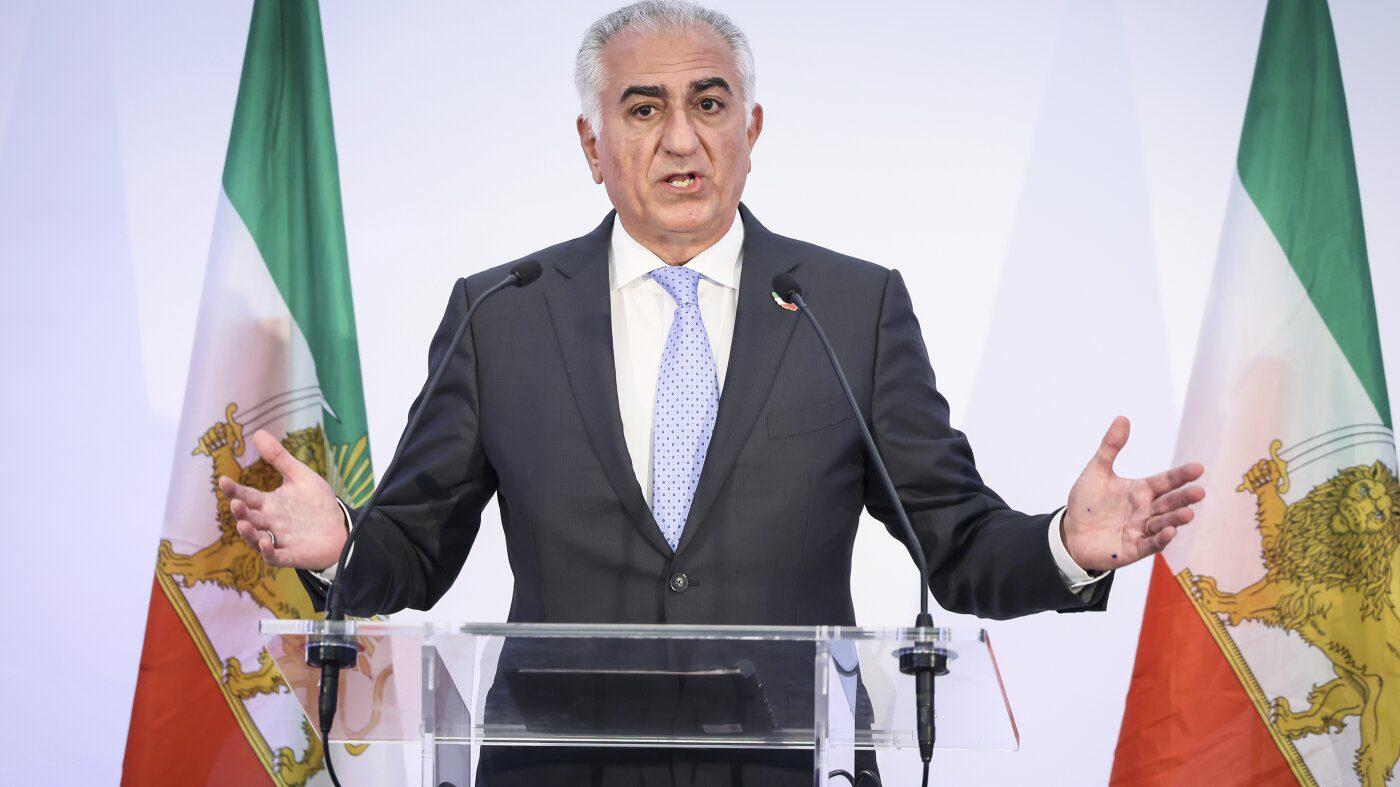
Comparing Iran’s currency crisis to similar situations in other sanction-hit economies highlights common patterns of investor caution and capital flight. The rapid devaluation of the rial, mirroring historical patterns of currencies under duress, creates a risk-off sentiment globally. For commodity markets, especially crude oil, prolonged instability in the Middle East can introduce supply disruption fears, potentially impacting oil prices, which directly affects India as a major oil importer. Fluctuations in crude can influence the Indian rupee (INR) and the profitability of various sectors on the NSE and BSE, from transportation and logistics to manufacturing. Furthermore, the political landscape, with figures like Reza Pahlavi encouraging demonstrations, introduces an additional layer of uncertainty regarding future governance and policy direction, which can further deter foreign investment.
For Retail Investors and Swing Traders, monitoring geopolitical developments in Iran is essential for anticipating shifts in global oil prices and currency movements. Increased volatility in crude could present trading opportunities in energy-related stocks or lead to short-term headwinds for sectors sensitive to fuel costs. Long-term Investors and Finance Professionals should incorporate this escalating geopolitical risk into their broader portfolio diversification strategies. Potential impacts on global supply chains, broader emerging market sentiment, and the long-term outlook for global economic stability warrant careful consideration. Investors should closely watch for any significant policy shifts, changes in sanctions regimes, or further escalation of unrest, as these will be key indicators for assessing future market direction and investment implications.
About the Author