Key Takeaways
US forces seized a fifth Venezuela-linked oil tanker, intensifying sanctions. Understand implications for maritime trade, global energy, and US-Venezuela relations in this breaking news update.
Overview
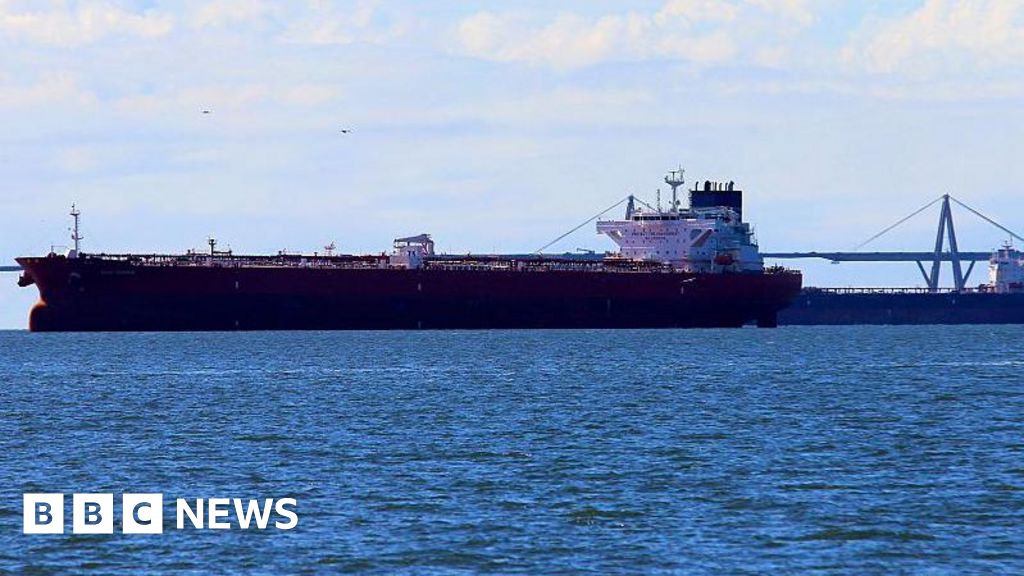
In a significant move reinforcing its stance against Venezuelan oil exports, US forces have seized another vessel, the **Olina** oil tanker, in the Caribbean Sea. This latest apprehension marks the fifth such seizure in recent weeks, underscoring Washington’s ongoing efforts to control embargoed oil shipments from Venezuela.
This development carries weight for general readers and news consumers as it highlights persistent geopolitical tensions and the broad reach of international sanctions. It signals continued US assertiveness in maritime security operations aimed at disrupting specific trade routes.
Officials confirmed the Olina was a “ghost fleet” tanker, suspected of carrying embargoed oil, and its location tracker was last active 52 days ago northeast of Curacao, prior to its apprehension on Friday morning.
The incident reaffirms the US commitment to enforcing sanctions and sets the stage for further observation of maritime security dynamics and international responses to these ongoing efforts.
Detailed Analysis
The recent seizure of the Olina oil tanker by US forces in the Caribbean Sea represents another chapter in the protracted struggle over Venezuela’s oil exports. This operation, publicly announced by US Southern Command, is part of a broader strategy by Washington to exert control over the flow of Venezuelan oil, which remains under stringent international sanctions. The term “ghost fleet,” used by Homeland Security Secretary Kristi Noem, aptly describes vessels like the Olina that attempt to evade detection and circumvent these embargoes, often by disabling tracking systems or obscuring their identities. This repeated interdiction highlights the intricate challenges and constant cat-and-mouse game between sanctioning authorities and those seeking to bypass them, contributing to a complex web of current affairs that impacts global trade and diplomacy.
Homeland Security Secretary Kristi Noem emphasized the resolute message sent by these seizures, stating, “there is no safe haven for criminals.” Her remarks, coupled with a video shared online reportedly showing troops boarding a ship from a helicopter, underscore the direct and assertive nature of these US operations. The coordinated effort between Marines, sailors, and the Department of Homeland Security demonstrates a robust interagency approach to maritime enforcement. The Olina’s status on multiple countries’ sanctions lists further legitimizes its apprehension under international legal frameworks pertaining to sanctions enforcement. Maritime risk company Vanguard Tech’s report that the vessel was actively attempting to break through a US naval blockade in the Caribbean confirms the deliberate intent behind the tanker’s movements and the calculated risk taken by its operators. The fact that its location tracker had been inactive for 52 days prior to the seizure, northeast of Curacao, suggests a sophisticated attempt at covert shipping, which ultimately proved unsuccessful.
This latest seizure, being the fifth vessel interdicted in recent weeks, signals a consistent and sustained US policy aimed at isolating Venezuela’s oil sector. This persistent enforcement action contrasts sharply with previous periods where such embargo evasions might have gone unchecked or faced less aggressive interdiction. The repeated successful apprehensions also suggest an enhanced intelligence-gathering capability and operational readiness on the part of US forces in the region. For General Readers, this pattern illustrates the long-term commitment of the United States to its foreign policy objectives regarding Venezuela, which have significant geopolitical ramifications. It reflects a determined effort to enforce economic pressure, contrasting with diplomatic approaches or less direct sanctions monitoring. The ongoing seizures contribute to the broader narrative of escalating international tensions surrounding energy resources and national sovereignty in the Western Hemisphere.
For General Readers and news consumers, these repeated seizures carry several key implications. In the short-term, they reinforce the reality of a tightened naval blockade and a more vigilant enforcement posture by the US, making it increasingly difficult for Venezuela to export oil via illicit means. Medium-term impacts could include further disruption to global crude supply chains, though the direct impact on overall market prices from these specific seizures is generally contained due to the volume. Longer-term, these actions contribute to a strained international shipping environment, raising compliance costs for legitimate maritime trade and potentially leading to more assertive counter-measures from countries or entities looking to circumvent sanctions. Audiences should monitor official statements from both US and Venezuelan authorities, as well as reports from international maritime organizations, for any indications of increased tensions or shifts in enforcement strategies. This ongoing situation underscores the complexities of global energy politics and the unwavering resolve of nations to protect their strategic interests.
About the Author