Key Takeaways
French cinema icon Brigitte Bardot, a symbol of sexual liberation and fashion, has passed away at 91. Explore her cinematic legacy and cultural impact.
Overview
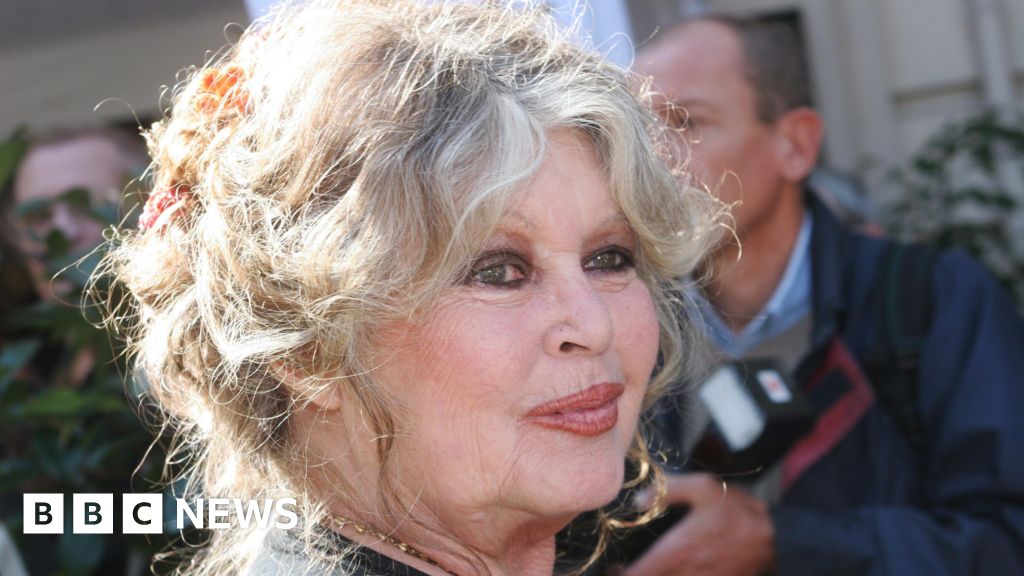
The entertainment world is buzzing with the news that Brigitte Bardot, the iconic French actress who redefined 1950s cinema and became a global symbol of sexual liberation, has passed away at the age of 91. Affectionately known as ‘BB’ in her home country, Bardot’s career spanned nearly 50 films.
For entertainment enthusiasts, pop culture fans, and movie lovers worldwide, Bardot’s passing marks the end of an era. Her groundbreaking performances and trendsetting style left an indelible mark on Hollywood and global cinema, making her a true icon. Her life, a blend of dazzling fame and controversial turns, continues to spark conversation.
After starring in pivotal films like And God Created Woman, Bardot famously retired from acting in 1973 at just 39 to champion animal welfare. French President Emmanuel Macron paid tribute, calling her a “legend of the century.”
This article delves into the enduring cultural impact of Brigitte Bardot’s legacy, examining her film career, fashion influence, and later life’s complexities that continue to resonate within the entertainment industry and beyond.
Detailed Analysis
Brigitte Bardot’s entry into cinema wasn’t just another debut; it was a cultural explosion that sent ripples across continents, forever changing perceptions of femininity and freedom on screen. Born into a wealthy Parisian family in 1934, Bardot initially pursued ballet before a captivating Elle magazine cover propelled her into the limelight. Her true star power, however, ignited with the 1956 film And God Created Woman, directed by her then-husband Roger Vadim. This movie, in which she portrayed a sexually liberated woman, scandalized American audiences, even leading to bans in some US states. Yet, it simultaneously cemented her status as an icon, with French existentialist philosopher Simone de Beauvoir hailing her as a symbol of “absolute freedom.” Bardot wasn’t just acting; she was embodying a societal shift, challenging norms and captivating a generation that craved change and daring expression.
Throughout the late 1950s and 1960s, Bardot evolved from a sensation into a global phenomenon, captivating audiences with her versatility. She earned critical acclaim for her dramatic depth in films like The Truth and demonstrated her comedic flair alongside Jeanne Moreau in Viva Maria! Her collaboration with Jean-Luc Godard in Contempt further solidified her position as a serious actress, capable of complex portrayals. Beyond these celebrated roles, films like Love on a Pillow, where she explored emotionally torn characters, and The Bear and the Doll, which showcased her playful charm, highlighted her impressive range across genres. Her influence extended beyond the silver screen; Bardot became an undisputed fashion icon. Her signature blonde tousled hair, bold eyeliner, and the now-famous “Bardot neckline” (an off-the-shoulder style she popularized at Cannes in 1953) set global beauty and style trends, making her a true pop culture trailblazer.
Bardot’s journey, however, diverged sharply from many of her contemporaries. Frustrated by being ruthlessly marketed solely as a hedonistic sex symbol, she chose to retire from acting at the peak of her fame at just 39. Her memorable declaration, “I gave my youth and beauty to men, I give my wisdom and experience to animals,” encapsulated this profound shift. In 1986, she launched the Brigitte Bardot Foundation, dedicating her life to animal welfare, even famously threatening to seek Russian citizenship in protest of animal cruelty in 2013. This transformation, from cinematic icon to passionate activist, offered a compelling, if sometimes controversial, blueprint for celebrity impact. While many stars leverage their fame for various causes, Bardot’s complete career pivot, sacrificing a prestigious acting career, remains a unique and powerful statement on the potential for personal evolution beyond the confines of fame. Her commitment led France’s oldest animal protection association, The Société Protectrice des Animaux, to pay tribute to her as an “iconic and passionate figure for the animal cause.”
For entertainment enthusiasts, pop culture fans, and movie lovers, Brigitte Bardot’s legacy is a rich tapestry woven with glamour, rebellion, and complex personal choices. She was more than an actress; she was a cultural phenomenon who shaped fashion, challenged societal norms, and left an undeniable mark on cinematic history. While her later life was marred by controversial remarks, leading to fines for inciting racial hatred and dismissal of the #MeToo movement, her early impact on film and fashion remains celebrated. Her story serves as a fascinating case study in celebrity evolution and the enduring power of a singular personality. As the industry continues to evolve, Bardot’s bold choices, both on screen and off, offer a powerful reminder of how individual stars can ignite global trends and provoke widespread cultural discussion for decades to come.
About the Author