Key Takeaways
Delhi’s severe Air Quality Index (AQI 391) poses significant investment risks for 2025. Analyze sector impacts, GRAP implications, and strategic considerations for Stock Market India.
Overview
Delhi’s escalating air quality crisis, with the Air Quality Index (AQI) reaching severe levels, presents a significant and often underestimated risk factor for investment portfolios and economic stability in Stock Market India. This environmental challenge now demands acute financial analysis from all market participants.
Retail investors, swing traders, long-term investors, and finance professionals must assess the tangible and intangible costs associated with prolonged environmental degradation. This can depress consumer spending, disrupt logistics, and raise operational expenses for businesses headquartered or operating heavily in affected zones, influencing overall market dynamics on NSE and BSE.
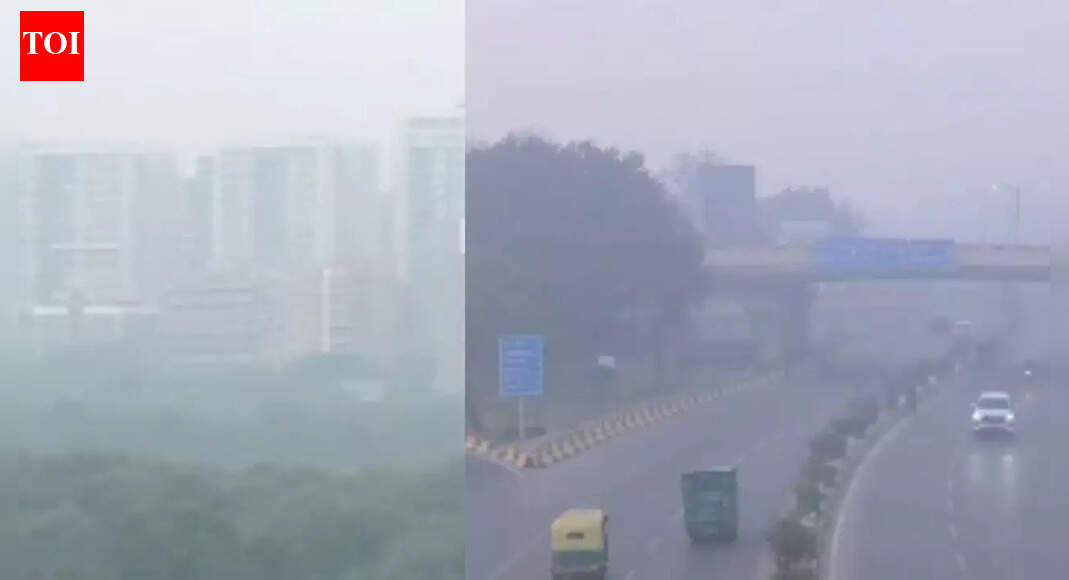
Key metrics underscore this concern: Delhi’s overall AQI reached 391, with Akshardham at 445 and ITO exceeding 400, categorized as ‘severe’ or ‘very poor’. Meanwhile, Mumbai’s Bandra recorded a ‘moderate’ 123.
This analysis explores the immediate and long-term financial implications, sector-specific impacts, and critical considerations for investment strategies amidst worsening urban Air Quality Index Impact, providing essential insights for 2025.
Key Data
| Metric | Delhi (Severe Zone) | Mumbai (Moderate Zone) | Business Impact (Key Sectors) |
|---|---|---|---|
| Overall AQI | 391 | 123 (Bandra) | Reduced consumer activity, disrupted logistics |
| Localized AQI Peak | 445 (Akshardham) | N/A (comparable peak not severe) | Productivity losses, heightened operational expenses |
| Regulatory Intervention | GRAP Stage III Invoked | No widespread GRAP Stage III | Restrictions on construction, industry, transport |
| Affected Industries | Construction, Logistics, Tourism, Retail | Relatively less impacted | Revenue pressures, margin compression, labor absenteeism |
Detailed Analysis
The persistent issue of air pollution in major Indian metropolitan areas, particularly Delhi, has evolved from an environmental concern into a critical economic risk factor, demanding detailed financial analysis from all market participants. This annual seasonal challenge, intensifying during colder months, not only affects public health but also exerts considerable pressure on business continuity, supply chains, and overall economic output. The consistent pattern of regulatory interventions, such as the invocation of Stage III measures under the Graded Response Action Plan (GRAP), signifies the severity of the situation. These measures, including restrictions on construction and industrial activities, directly impact industrial output and employment, introducing operational constraints and uncertainty for listed entities. Investors focused on the Stock Market India must integrate these recurring environmental challenges into their risk assessments, recognizing them as material factors influencing corporate performance and regional economic resilience.
A detailed breakdown of the reported Air Quality Index (AQI) levels reveals the extent of operational impediments for businesses. Delhi’s overall AQI, registering 391, with localized readings such as Akshardham at 445 and ITO exceeding 400, place these regions firmly in the ‘severe’ category. This directly translates into productivity losses for companies reliant on outdoor labor, including those in construction, logistics, and delivery services, due to mandated closures and heightened health risks for their workforce. The enforcement of the ‘No PUC, No Fuel’ rule further strains logistics efficiency and increases transportation costs, potentially compressing profit margins across various industries. While the healthcare sector might experience a short-term boost from increased demand for respiratory treatments and diagnostics, the broader economic fallout from reduced consumer activity, disrupted supply chains, and health-related absenteeism creates a challenging operating landscape for diverse sectors listed on the NSE and BSE, underscoring the profound Air Quality Index Impact.
The stark disparity in air quality between Delhi’s ‘severe’ conditions (AQI 391-445) and Mumbai’s ‘moderate’ 123 in Bandra presents a crucial comparative framework for investors assessing regional operational risk. Companies with geographically diversified operations across India’s metros may exhibit varied performance, with those less exposed to severely polluted regions potentially sustaining stronger operational continuity and profitability. Sectors such as tourism, hospitality, and retail in Delhi could face significant revenue pressures from decreased visitor numbers and dampened consumer confidence, while their counterparts in less affected cities like Mumbai might maintain healthier financial metrics. Long-term investors must, therefore, incorporate a granular geographical risk assessment within their India-focused portfolios. Furthermore, GRAP Stage III invocation signals sustained governmental focus on pollution control, fostering a potential regulatory environment that incentivizes investments in green technologies, sustainable infrastructure, and environmental solutions, creating a new dimension for sector analysis.
For retail investors and swing traders, closely monitoring real-time AQI trends and GRAP status is crucial, as these factors directly influence short-term market sentiment and operational feasibility for industries sensitive to environmental restrictions, such as construction, manufacturing, and transport logistics. Long-term investors and finance professionals should embed environmental risk factors into their comprehensive valuation models, meticulously evaluating companies’ resilience strategies and their investments in pollution mitigation. Opportunities may emerge in sectors offering solutions, including air purification technologies, renewable energy, and efficient public transport infrastructure. Conversely, industries heavily reliant on outdoor operations or with high emission profiles confront escalating regulatory and reputational risks. Key metrics to observe include corporate guidance on operational disruptions, health-related expenditures, and governmental outlays on environmental infrastructure, which will ultimately shape Investment in Stock Market India amidst these challenges.
About the Author