Key Takeaways
Thailand and Cambodia agree to a ceasefire. Analyze policy implications, historical context, and regional stability for investor insights and risk assessment in Southeast Asia 2025.
Overview
Thailand and Cambodia enacted an immediate ceasefire on December 27, 2025, their second this year amid escalating border clashes. This development profoundly impacts Southeast Asian regional stability and investment outlooks.
For investors, geopolitical tensions generate unpredictable risk premiums, affecting emerging market sentiment. Comprehensive financial analysis is therefore crucial for informed portfolio decisions.
The agreement, effective 12:00 noon local time, bans all weapon use and prohibits civilian targeting. However, a July ceasefire collapsed, underscoring the dispute’s persistent volatility.
This analysis explores historical context, policy implications, and long-term stability, guiding risk management and strategies within the broader Asian market.
Detailed Analysis
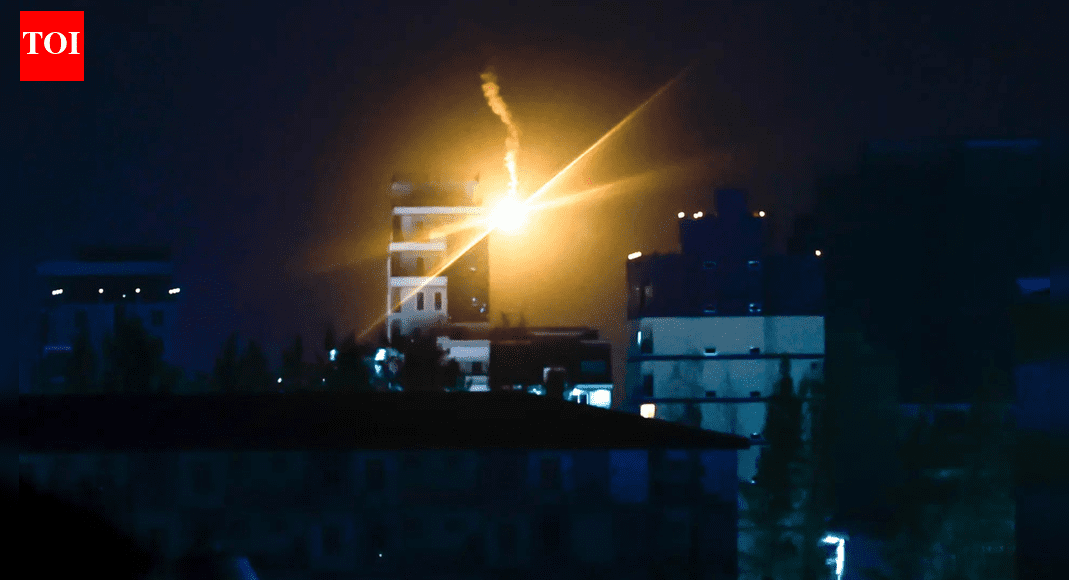
The immediate ceasefire between Thailand and Cambodia, while providing relief, is rooted in a deeply entrenched historical conflict. This dispute dates to the early 1900s, stemming from ambiguous boundary lines established under French colonial administration. Thailand consistently disputes these maps, advocating for natural watershed boundaries. This protracted disagreement renders the Dangrek mountain range a highly volatile zone. The collapse of a prior ceasefire in July 2025 starkly illustrates the profound challenges to lasting peace. For global investors evaluating Southeast Asia, this persistent instability translates into an elevated geopolitical risk premium. The December 2025 escalation, with Thailand deploying fighter jets and Cambodia employing rocket fire, underscored the severe potential for rapid intensification, directly impacting long-term capital allocation and risk assessment for regional investment.
The comprehensive ceasefire, detailed in a joint statement from the Cambodian side’s Special General Border Committee, became effective at 12:00 noon local time on December 27, 2025. It strictly mandates an end to all weapon types and prohibits attacks on civilians, infrastructure, and military objectives. This detailed scope targets broad conflict impacts. However, the pre-agreement period showcased a clear disconnect between diplomatic announcements and on-ground realities. US President Donald Trump’s intervention, claiming a cessation, did not halt persistent clashes. Thai caretaker Prime Minister Anutin Charnvirakul’s dual stance—confirming talks with Trump while insisting on continued military operations—underscored deep mistrust and operational autonomy. For investors, this signifies considerable policy risk; diplomatic assurances may not guarantee immediate security. Such unpredictability complicates long-term investment planning, as political agreement reliability directly impacts regional business operating stability.
This second ceasefire within a year highlights a persistent struggle: transitioning from diplomatic declarations to sustained peace. While external mediation, like President Trump’s involvement, initiates dialogue, its lasting efficacy hinges on genuine national commitment. Thailand’s continued military operations, despite Trump’s announcement, signaled a cautious approach rooted in national security and prior accusations of Cambodian breaches. This complicates simple resolution, as both nations prioritize territorial integrity. The situation mirrors other long-standing global border disputes where historical claims meet geopolitical interests. For investors, this cyclical conflict pattern creates recurrent risk and opportunity for tourism, logistics, and foreign direct investment. The absence of robust multilateral frameworks beyond bilateral agreements contributes to ongoing market uncertainty, increasing long-term capital deployment risks.
For retail investors and finance professionals, this ceasefire marks a critical juncture, not a definitive resolution. Immediate adherence to terms is paramount, preventing further damage. Policy implications for the region necessitate sustained diplomatic channels and potentially international oversight for compliance. Key metrics to monitor include reported breaches, demilitarization efforts in contested zones, and initiation of structured, long-term negotiation processes. Given inherent volatility, underlying policy challenges and renewed conflict risk remain significant despite immediate cessation. Thus, investment decisions in companies with Southeast Asian market exposure or regional supply chain involvement must factor this evolving political landscape. Vigilant observation of diplomatic progress and stability indicators is crucial for informed risk-adjusted returns.
About the Author