Key Takeaways
Ashlee Buzzard, accused in 9-year-old Melodee Buzzard’s murder, pleads not guilty in California. Get full details on this tragic case and legal battle.
Overview
In a significant development in the tragic case of missing California girl Melodee Buzzard, her mother, Ashlee Buzzard, has formally entered a plea of not guilty to charges of her daughter’s murder. This plea sets the stage for a protracted legal battle following a months-long investigation.
The declaration in a Santa Barbara, California courtroom on Friday marks a pivotal moment in a story that has gripped news consumers and raised questions about child safety and family dynamics. The legal proceedings will now delve deeper into the circumstances surrounding the 9-year-old’s death.
Prosecutors, who seek a life sentence but not the death penalty, arrested the 40-year-old Ashlee Buzzard earlier this week. Melodee went missing in October, with her body tragically discovered in Utah this month in an area her mother allegedly visited.
The ongoing case demands close attention from general readers, as investigators continue to unravel the full timeline of events and motives, making this a crucial item in today’s current affairs.
Detailed Analysis
The formal not guilty plea by Ashlee Buzzard in the Melodee Buzzard murder case deepens the narrative around a story that began with a missing child report in October. This legal step initiates the formal trial process, where the prosecution will present its evidence to prove guilt beyond a reasonable doubt, and the defense will aim to cast doubt on those claims. The initial disappearance, the subsequent discovery of Melodee’s body, and the mother’s arrest have created a somber backdrop for the upcoming judicial proceedings, highlighting the severe consequences when family bonds are tragically broken.
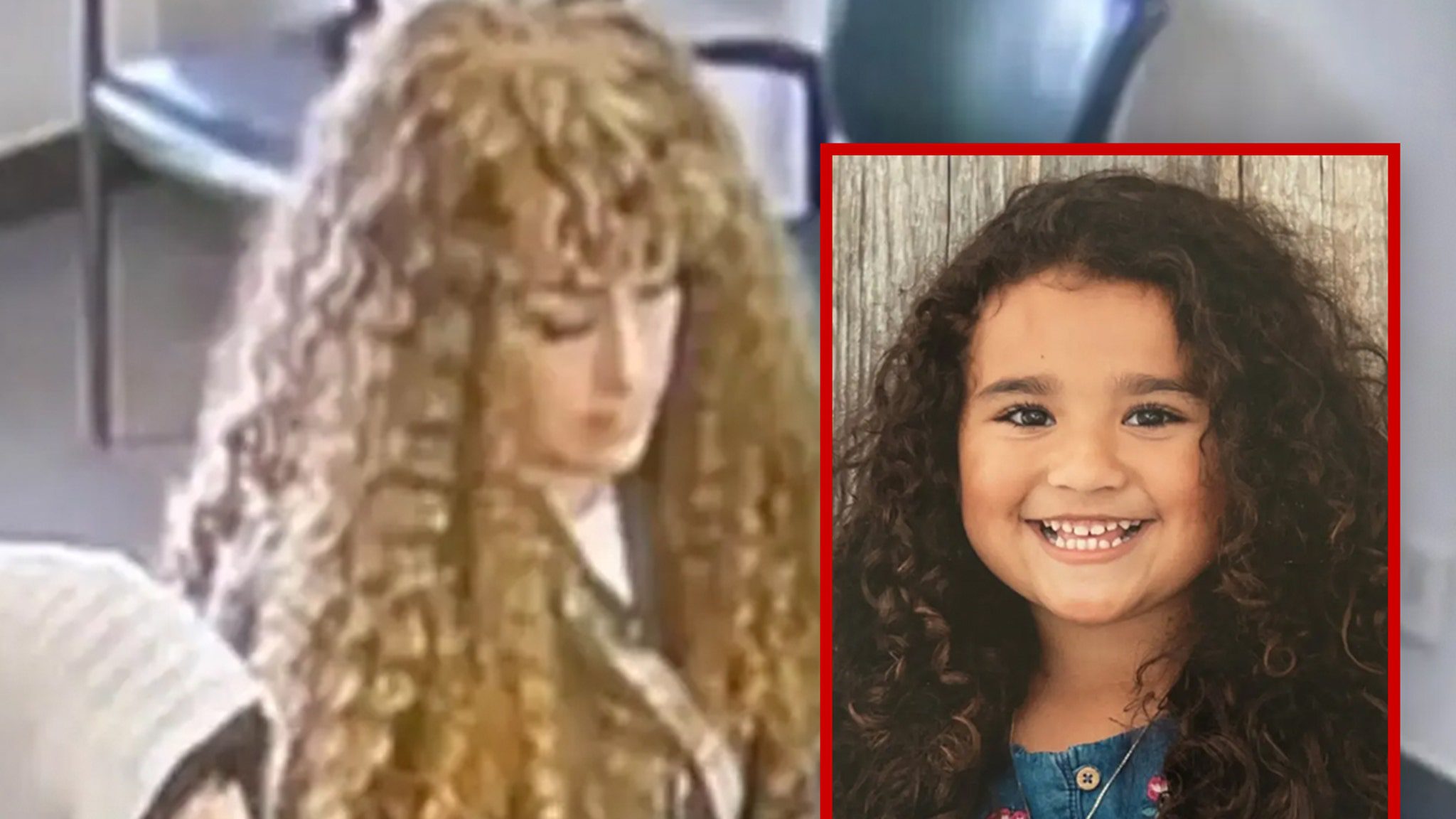
Court proceedings confirmed that prosecutors intend to pursue a life sentence against Ashlee Buzzard, opting against seeking the death penalty. This decision clarifies the potential legal repercussions for the accused. The timeline leading to this plea is critical: Melodee, aged 9, was reported missing in October. Her body was located earlier this month in Utah, a state Ashlee and Melodee reportedly traveled through. Authorities arrested Ashlee Buzzard just days before her court appearance, indicating a rapid progression in the investigation. Key pieces of evidence include security footage from October 7, showing Melodee and Ashlee Buzzard wearing wigs at a Santa Barbara car rental facility. Two days later, on October 9, they were last seen together near the Colorado-Utah border. The rented Chevrolet Malibu, reportedly outfitted with New York plates, was returned the following day with its original plates restored, but crucially, without Melodee.
The unfolding events in the Melodee Buzzard case offer a stark comparison to many missing person investigations that regrettably transition into murder inquiries. The elements of interstate travel and apparent attempts at disguise, such as the use of wigs and temporary license plates, suggest a deliberate effort to evade detection. Such actions can often complicate investigations, requiring extensive coordination across multiple law enforcement agencies. The family’s public statements about Ashlee Buzzard’s mental instability introduce a potential line of defense that could significantly influence the trial’s trajectory. This aspect sets it apart from cases solely focused on physical evidence, adding a layer of psychological assessment to the legal discourse. [Suggested Line Graph: Timeline of events in the Melodee Buzzard case, showing key dates from disappearance to arrest and plea, with descriptions of each event.]
For general readers and news consumers following this distressing case, the not guilty plea signifies the commencement of a lengthy and complex legal process. The focus will now shift to the evidence presented in court, including forensic findings, surveillance footage, and witness testimonies, which will be crucial in piecing together the events leading to Melodee’s death. The defense’s strategy, potentially centered on the mother’s alleged mental state, will be a critical aspect to monitor. This case serves as a poignant reminder of the vulnerabilities of children and the intricate, often heartbreaking, nature of criminal justice when families are involved. Further updates on court dates and evidence disclosure will be vital for understanding the path to justice for young Melodee Buzzard.
About the Author