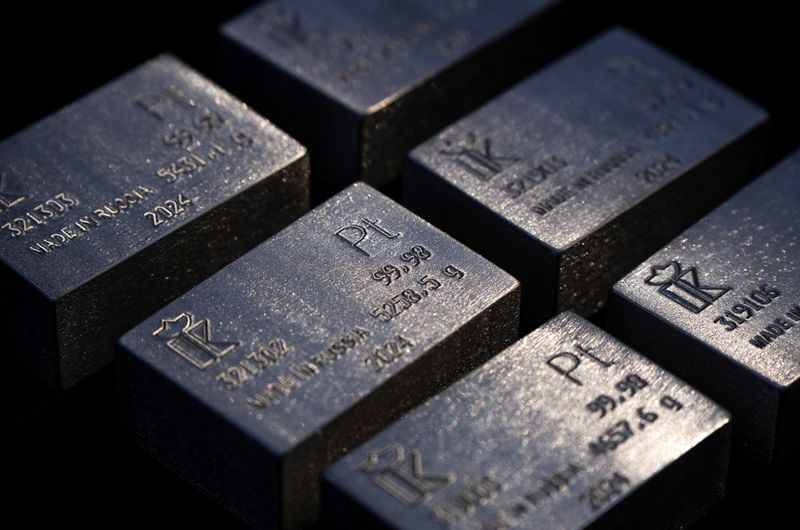
Key Takeaways
Platinum hits a record high driven by tight supply and a crucial EU combustion-engine policy reversal. Understand the global market dynamics and implications for 2025.
Overview
Platinum, a crucial precious metal, has recently achieved a record high price, signaling significant shifts in global commodity markets. This surge is primarily attributed to a combination of tightening supply dynamics and a pivotal reversal in the European Union’s policy regarding combustion engines, capturing attention across India News and Current Affairs.
This development is of keen interest to general readers and news consumers as it influences various sectors, from automotive manufacturing to jewelry and investment portfolios. Understanding the underlying factors provides crucial context for today’s market movements and broader economic trends.
While specific price figures are not disclosed in the immediate reports, the clear drivers are identified as ‘tight supply’ and the ‘EU combustion-engine ban reversal.’ These elements collectively fuel market speculation and redefine outlooks for the commodity.
The following analysis delves into the short-term market reactions, medium-term ripple effects, and long-term implications of platinum’s record high, offering balanced perspectives for general market observers.
Detailed Analysis
Platinum’s journey to a record high in late 2025 is not an isolated event but rather a convergence of several powerful market forces. Historically, platinum has always been a metal of dual utility, prized for both its aesthetic appeal in jewelry and its indispensable role in industrial applications, particularly in catalytic converters for vehicles. Its price has often reflected the ebb and flow of global manufacturing demand, economic health, and the whims of investment trends. Major producing regions, primarily South Africa, face persistent challenges ranging from labor disputes to operational inefficiencies and geological complexities, which inherently introduce volatility into the global supply chain. The metal’s relatively rare occurrence, coupled with these production hurdles, sets the stage for price sensitivity whenever demand dynamics shift significantly. Understanding this historical context provides a foundation for appreciating the current surge, as even minor disruptions can create substantial market ripples.
The immediate catalyst for platinum reaching a record high is the confluence of two distinct yet interconnected factors: a pronounced tightening of global supply and the impactful reversal of the European Union’s planned combustion-engine ban. Tight supply in the platinum market generally stems from several sources. Mining operations, which are capital-intensive and subject to geological and political risks, can see output constrained by declining ore grades, rising production costs, or unforeseen disruptions like power outages or regulatory changes. Additionally, platinum is often mined as a co-product with other metals, meaning its supply cannot be easily ramped up independently to meet sudden demand spikes. Recycling, another significant source, also faces its own constraints, with collection rates and processing capacities limiting its contribution. This inherent supply inelasticity means that even a moderate increase in demand or a slight dip in production can have an outsized effect on prices. The current ‘tight supply’ scenario, as indicated by the source, suggests these underlying vulnerabilities are being acutely felt.
Compounding the supply squeeze is the strategic pivot in EU environmental policy. The European Union’s prior ambition to phase out combustion engines entirely by a certain date had cast a long shadow over the demand outlook for platinum, given its critical role in automotive catalytic converters. A reversal or significant relaxation of this ban fundamentally alters the demand trajectory. Instead of a projected decline in platinum use by the automotive sector, the policy shift implies a sustained, or even increased, demand for the metal in new vehicle production for a more extended period than previously anticipated. This sudden change signals to manufacturers and investors that a major consumer of platinum will remain active, thus bolstering confidence and driving up demand expectations. The combined effect of less platinum available and more anticipated need for it creates significant upward pressure on market prices, culminating in the observed record high.
The implications of this record high platinum price ripple through various segments of the global economy, particularly for general readers and news consumers tracking India News and Today Updates. In the short term, industries reliant on platinum, most notably the automotive sector, face increased input costs. This can translate into higher manufacturing expenses, potentially leading to elevated vehicle prices for consumers or reduced profit margins for automakers. For investors, the immediate surge presents opportunities for those holding platinum assets, while prompting others to re-evaluate their exposure to precious metals and commodity-linked funds. The demand for platinum in jewelry, another significant segment, may also see a near-term cooling as higher raw material costs are passed on to consumers. Furthermore, market analysts will closely monitor any further policy statements from the EU, as these could influence the metal’s immediate price trajectory.
In the medium term, the tight supply situation could incentivize increased investment in mining exploration and development, particularly in regions known for platinum group metals. However, the lengthy lead times involved in bringing new mines online mean that any significant supply response would not be immediate. The EU’s policy reversal will also likely prompt automotive manufacturers to recalibrate their long-term production strategies, potentially slowing the transition to purely electric vehicles in certain segments or extending the lifespan of internal combustion engine models. This could have broader implications for the global push towards decarbonization and green technologies. Geopolitical stability in key platinum-producing nations will also come under sharper focus, as any further disruptions could exacerbate supply constraints and maintain elevated price levels. Monitoring the evolving landscape of global trade and resource allocation will be crucial.
Looking further ahead, the long-term implications are manifold. A sustained period of high platinum prices could accelerate research and development into alternative, more affordable catalytic materials or innovative engine technologies that reduce platinum requirements. This could eventually lead to a more diversified demand profile for the metal. Conversely, if no viable substitutes emerge, platinum’s role as a critical industrial commodity will only be cemented further, influencing global supply chains and strategic resource planning. The EU’s stance on combustion engines also sends a signal regarding the pace of energy transition. If major economies defer or reverse green energy mandates, it could have broader impacts on other commodities linked to renewable energy infrastructure. Ultimately, platinum’s record high underscores the interconnectedness of commodity markets, industrial policy, and global economic stability. [Suggested Line Graph: Platinum Price Trend Over the Last Five Years, showing significant upward movement in late 2025]
For general readers and news consumers, understanding who benefits and who faces increased risk from platinum’s record high is paramount. Investors holding platinum or related ETFs might see capital appreciation, while automotive companies face the challenge of managing higher material costs. Consumers may experience marginally higher prices for new vehicles or platinum jewelry. The broader economic picture suggests potential inflationary pressures in sectors reliant on the metal. This situation highlights the sensitivity of global markets to both supply chain vulnerabilities and significant regulatory shifts. What should audiences monitor next? Key metrics include official reports on platinum mining output, any subsequent adjustments to the EU’s automotive emission standards, and global vehicle sales figures. Furthermore, the performance of major automotive manufacturers, particularly those with a significant presence in the European market, will serve as an indicator of the industry’s adaptation to these new cost structures. The current dynamics underscore that commodity markets are highly responsive to political decisions and inherent supply-demand imbalances, making informed observation essential for anyone interested in Current Affairs and the global economy.
About the Author