Key Takeaways
Justin Bieber reflects on his faith, forgiving the music industry for past pains. Discover his healing journey and its impact on artist well-being and pop culture.
Overview
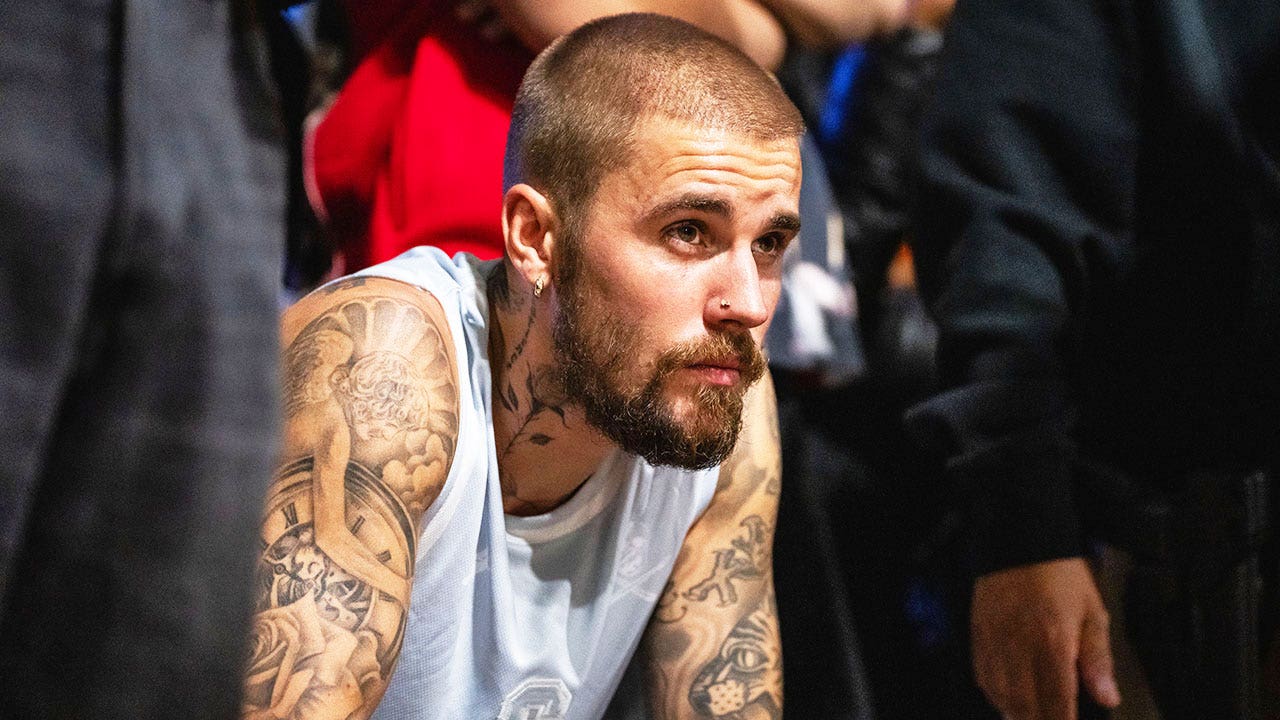
Pop superstar Justin Bieber recently revealed how his faith has helped him forgive the music industry for past pains. Ahead of Christmas, Bieber shared deeply personal reflections on Instagram, captivating his global fanbase.
This candid insight offers entertainment enthusiasts a poignant look into the intense pressures faced by artists, especially those achieving early fame. It sparks vital conversations about celebrity well-being.
Addressing his 292 million followers, Bieber recalled his 2009 breakthrough at 15, noting a system that “rewarded my gift but didn’t always protect my soul.”
His message of healing and seeking a “safer, more honest” industry ignites important dialogues about artist welfare, a trend music fans and pop culture observers should closely monitor.
Detailed Analysis
Justin Bieber’s journey into global superstardom began at a remarkably young age. Bursting onto the scene with his 2009 EP “My World” when he was just 15, he quickly became a household name. This meteoric rise, however, came with unprecedented scrutiny and pressures, a common, yet often unacknowledged, narrative for child stars. While the world saw sold-out tours, chart-topping hits, and a captivating public persona, Bieber now openly reflects on the hidden struggles behind the glitz and glamour. His recent Instagram posts offer a rare, vulnerable peek into the psychological toll that navigating immense fame can inflict, especially within an industry known for its intense demands.
In his heartfelt social media message, Bieber articulates a profound sense of disillusionment with the music industry’s structure during his formative years. He described growing up in “a system that rewarded my gift but didn’t always protect my soul,” leading to feelings of being “used, rushed, shaped into something I didn’t fully choose.” This raw admission of carrying “anger” and asking “God why” resonates deeply, highlighting the human cost behind commercial success. Bieber credits his faith in Jesus for helping him navigate this pain, teaching him “how not to become bitter” and restoring his identity. He explicitly states, “I’m not a product. I’m not what the industry demanded. I’m a son.” This personal transformation fuels his desire not to “burn the music industry down” but to “see it made new — safer, more honest, more human.”
Bieber’s candid narrative isn’t an isolated incident; it echoes sentiments from other artists who found fame young, like Britney Spears, highlighting a recurring pattern of industry challenges. Many stars struggle with the transition from protected talent to independent artist, battling intense public scrutiny and commercialization. This trend has spurred broader conversations within Hollywood and the music world about safeguarding artist mental health and fostering more ethical management. Bieber’s public discourse significantly contributes to this evolving dialogue, urging a collective re-evaluation of how young talent is nurtured and protected. His call for a “more honest” and “human” industry resonates with a growing movement demanding greater transparency.
For entertainment enthusiasts and music fans, Justin Bieber’s honesty provides a crucial, relatable perspective on celebrity life beyond the headlines. It encourages a deeper empathy for artists and a critical look at the industry’s role in shaping their journeys. This conversation could influence how fans interact with stars and how future talent is developed. Bieber’s commitment to forgiveness and change, rather than revenge, offers a powerful message of redemption. Fans should watch for how this personal stance might manifest in his future music, public advocacy, or even potential collaborations aiming for industry reform. His journey reminds us that true fulfillment often lies beyond fame, in finding one’s authentic self.
About the Author